
















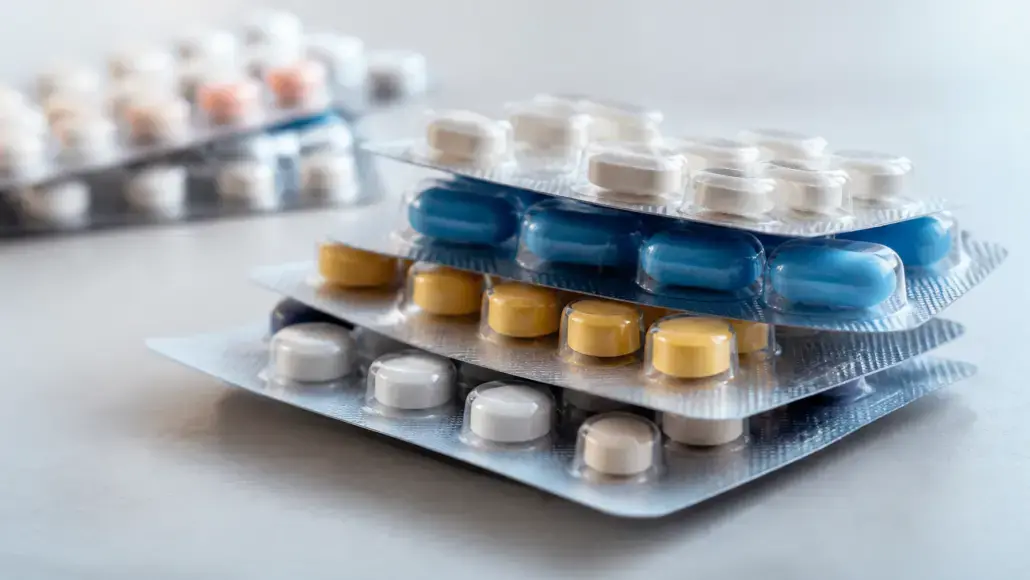
The pharmaceutical industry is standing on the cusp of a significant packaging revolution. Pharma Advancement notes that at the center of this transformation is the humble blister pack, which has evolved from a simple plastic-and-foil combination into a highly engineered delivery system. The recent blister pack advancements for pharmaceutical use trend are driven by the twin pillars of patient centricity and material efficiency. As oral drug formulations become more complex and sensitive to environmental factors, the demand for packaging that can provide an impenetrable barrier while remaining easy to use for a diverse patient population has never been higher. This technological progression is not merely about aesthetic updates. It represents a deep commitment to ensuring that life-saving medications reach the end-user in their most potent and effective form.
For decades, blister packaging has been the preferred choice for solid oral doses due to its ability to provide individual unit-dose protection. However, the rise of more sensitive active pharmaceutical ingredients (APIs) has necessitated a move toward high-performance materials. The innovations currently gaining traction focus on multi-layered films and cold-form foils that offer near-total protection against moisture, oxygen, and light. These pharmaceutical blister packs are no longer just containers; they are integral components of the drug’s stability profile, ensuring that the medication remains within its specified quality parameters throughout its entire shelf life.
The Engineering of High-Barrier Blister Structures
The core of modern blister technology lies in the complex layering of specialized polymers. Traditional PVC-based blisters are being rapidly replaced by high-barrier alternatives like Aclar® (polychlorotrifluoroethylene) and cyclic olefin copolymers (COC). These materials provide a moisture barrier that is several orders of magnitude superior to standard plastic, allowing for the stable packaging of moisture-sensitive tablets and capsules that would otherwise require bulky glass bottles. The use of cold-form foil (CFF), a multi-layered structure of aluminum and plastic, represents the ultimate in barrier protection. By using a stamping process rather than heat, CFF creates a complete light and gas barrier, which is essential for highly sensitive drugs that can degrade within hours of exposure to the elements.
Cold-Form vs. Thermoform: A Strategic Choice
Thermoforming allows for transparent blisters, which are often preferred by patients as they can visually verify the presence of the pill. However, the heating process can sometimes thin the plastic at the edges, creating micro-weaknesses in the barrier. Cold-form technology, while providing an opaque and more robust barrier, requires a larger footprint on the packaging line and uses more material. The latest advancements in pharmaceutical blister packs are bridging this gap, with high-speed thermoforming machines that can process next-generation barrier films at higher thicknesses without compromising production speed. This allows manufacturers to offer the visibility of plastic with the protection of foil.
Innovative Lidding Foils and Child-Resistant Features
The lidding material—the foil that is peeled or pushed through to access the medication—is also seeing significant innovation. Manufacturers are developing child-resistant, senior-friendly (CRSF) designs that utilize sophisticated push-and-peel or dual-action opening mechanisms. These features are critical for safety, preventing accidental ingestion by children while ensuring that elderly patients with limited dexterity can still access their medication. The integration of laser-scoring technology allows for precise control over where the foil breaks, ensuring a clean opening every time. This focus on the human factor is a key component of the current trend in blister technology, emphasizing that safety and accessibility must go hand-in-hand.
Enhancing Patient Compliance Through Smart Design
One of the most impactful blister pack advancements for pharmaceutical use trend is the shift toward calendarized or compliance packaging. By printing dates or days of the week directly onto the blister, manufacturers can help patients keep track of their dosage schedule. This is particularly important for chronic conditions like hypertension or diabetes, where missing a single dose can have serious health implications. Studies have consistently shown that patients using unit-dose blister packaging have significantly higher adherence rates compared to those using traditional bottles. As the global population ages and the prevalence of chronic diseases increases, the role of intelligent blister design in improving healthcare outcomes cannot be overstated.
The Rise of Digital Blisters and NFC Integration
Looking toward 2026, the integration of digital technology into blister packs is poised to become a mainstream reality. Near-field communication (NFC) tags and conductive inks can be embedded into the blister card, allowing the pack to communicate with a smartphone app. When a patient pushes a pill through the foil, the break in the circuit is recorded, and the app logs the time and date of the dose. This data can be shared with healthcare providers, enabling a new level of remote patient monitoring and personalized care. These smart blisters represent the convergence of traditional packaging and the digital health revolution, providing a data-rich environment that supports both the patient and the physician.
Sustainability and the Move Toward Mono-Materials
As environmental sustainability becomes a global priority, the pharmaceutical packaging industry is facing pressure to reduce its reliance on non-recyclable multi-layer plastics and aluminum. The development of recyclable mono-material blisters—such as those made entirely from polypropylene or specialized bio-polymers—is a major focus of R&D efforts. These materials are designed to be easily processed in standard recycling streams, significantly reducing the carbon footprint of the drug delivery system. This shift is not just a regulatory response but a proactive step by the industry to align with global environmental goals.
Manufacturing Efficiency and the Role of Automation
The production of pharmaceutical blister packs is also being transformed by high-speed automation and data-driven manufacturing. Modern blister lines are equipped with integrated vision systems that can inspect each pocket for the presence of the pill, detect any damage to the foil, and verify the accuracy of the printed lot codes and expiration dates. These systems operate at speeds exceeding 600 blisters per minute, ensuring that high-volume medications can be packaged with 100% accuracy. The implementation of lean manufacturing principles and real-time monitoring allows manufacturers to minimize waste and optimize throughput, reducing the overall cost of production. This efficiency is vital for maintaining the affordability of medications in a competitive global market.
Challenges in Material Compatibility and Stability Testing
Despite the many advancements, selecting the right blister material remains a complex task. Each drug formulation has a unique stability profile, and the packaging must be carefully matched to ensure compatibility. Factors such as chemical leaching, moisture sorption, and gas permeability must be rigorously tested over several months or even years. The use of advanced simulation software is helping to accelerate this process, allowing engineers to predict how a specific blister structure will perform under various climatic conditions. This data-driven approach to material selection is a hallmark of the modern pharmaceutical industry, ensuring that every packaging decision is backed by solid scientific evidence.
The Future Landscape of Oral Dose Packaging
As we look toward the future, the role of the blister pack will only continue to expand. We are seeing the emergence of hybrid packs that combine the benefits of different materials, such as clear plastic windows integrated into aluminum-bottomed blisters. We are also seeing the development of 3D-printed blister cavities that can be custom-fitted to the exact shape of unique or fragile pills. The advancements in pharmaceutical blister packs are not just about the container; they are about the entire ecosystem of drug delivery. Pharma Advancement believes that by focusing on protection, compliance, sustainability, and efficiency, the industry is creating a new standard for excellence that will define the next decade of healthcare.
In conclusion, the innovations in blister pack advancements for pharmaceutical use trend represent a remarkable fusion of science, engineering, and patient-centered design. From the use of high-tech nanotechnology in barrier films to the integration of digital tracking systems, the blister pack has become a sophisticated tool in the fight against disease. The journey of a pill from the factory to the patient’s hand is a complex one, but with the latest in blister technology, that journey is safer and more reliable than ever before. This is the promise of the future: packaging that not only protects the medicine but also empowers the patient, ensuring a healthier world for all.
