






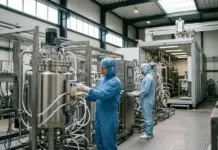
The global pharmaceutical industry is undergoing a structural transformation, moving away from fragmented, multi-vendor production environments toward a more unified and cohesive model. The spotlight is firmly fixed on integrated processing and packaging pharma lines. This concept represents the ultimate evolution of manufacturing efficiency, where the transition from raw pharmaceutical ingredients to the final, shelf-ready package is handled within a single, continuous, and highly synchronized ecosystem. In a world where speed-to-market and cost-optimization are critical, the ability to eliminate the physical and digital silos between processing and packaging is no longer a luxury—it is a strategic imperative for survival and growth.
Historically, the processing of drugs—the mixing, granulation, and filling—and the packaging of those drugs—the blistering, cartoning, and palletizing—were treated as two distinct worlds, often separated by different rooms, different teams, and different data systems. This fragmentation led to significant inefficiencies, including excessive material handling, higher risks of contamination, and complex synchronization challenges that resulted in frequent downtime. The move toward integrated processing and packaging addresses these issues by creating a seamless flow of product and information. Pharma Advancement notes that by integrating these stages, manufacturers can achieve a level of control and transparency that was previously impossible, ensuring that every batch is produced with absolute consistency and minimal human intervention.
The Architectural Benefits of Seamless Integration
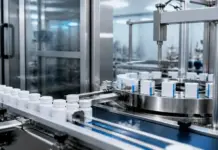
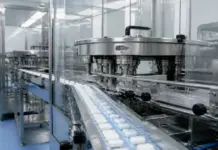
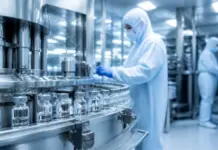
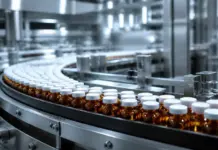
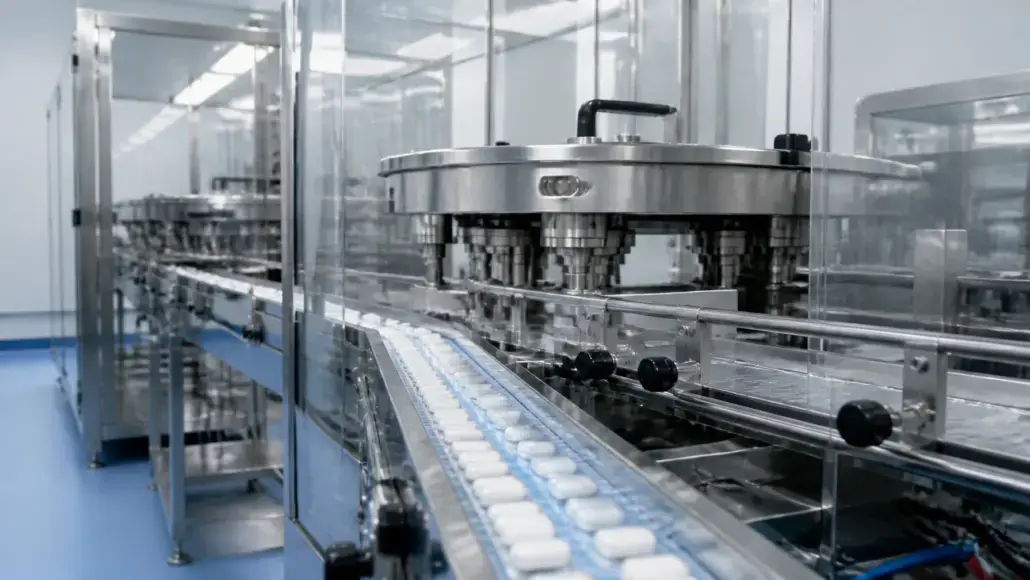
The primary advantage of integrated processing and packaging systems lies in the reduction of friction within the production workflow. In a traditional setup, the product must be stored, moved, and re-staged between the filling line and the packaging hall, a process that introduces multiple points of failure. In an integrated environment, the filled vial or blister card moves directly into the secondary packaging unit via high-speed, synchronized conveyors or robotic transfer modules. This direct connection eliminates the need for buffer storage and reduces the footprint of the production facility, a critical factor for manufacturers operating in high-cost urban environments or those building new greenfield sites.
Synchronization and Throughput Optimization
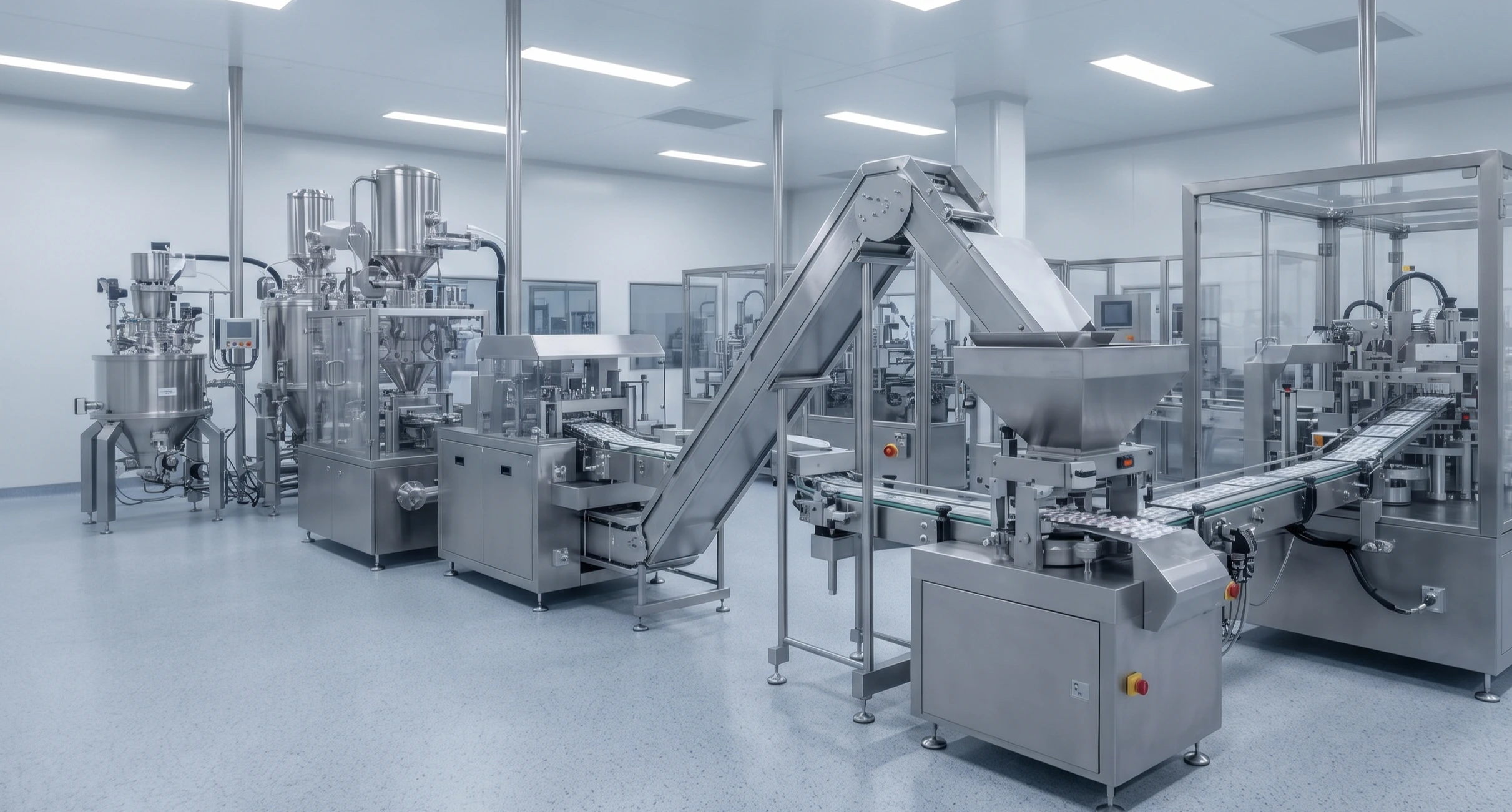
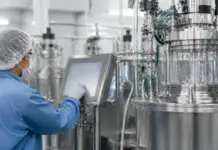
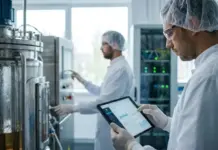
Achieving high-speed throughput requires a level of synchronization that can only be found in integrated processing and packaging. When the processing equipment and the packaging machinery share a common control platform, they can talk to each other in real-time. If the filling station slows down due to a minor mechanical adjustment, the cartoner can automatically adjust its speed to match, preventing the pile-ups that lead to mechanical stress and product damage. This dynamic load balancing ensures that the entire line operates at its sweet spot of maximum efficiency. Furthermore, the use of a single Human-Machine Interface (HMI) for the entire line simplifies operation and reduces the risk of operator error, as there is only one system to master.
Data Integrity and Unified Traceability
In the era of strict regulatory oversight, the ability to maintain a clear audit trail from the raw material to the final package is paramount. Integrated processing and packaging provides a unified data environment where every event is recorded in a single, time-stamped log. This eliminates the difficult and error-prone task of reconciling data from multiple, disparate systems. When a regulator asks for the production history of a specific serial number, an integrated system can provide a comprehensive report that includes the mixing parameters, the filling volume, the seal strength of the blister, and the weight of the final carton. This level of transparency is essential for compliance with global standards such as 21 CFR Part 11 and is a key driver for the adoption of turnkey solutions in the lead-up to 2026.
Turnkey Solutions and the Rise of the Single-Source Vendor
A significant trend within the integrated processing and packaging movement is the shift toward single-source vendors who provide complete, turnkey solutions. Instead of managing a complex project involving five different machinery suppliers and a third-party integrator, manufacturers are increasingly looking for a single partner who can take responsibility for the entire line. This approach significantly reduces the time and cost associated with installation, commissioning, and validation. When the same team of engineers designs both the processing and the packaging modules, the interfaces are guaranteed to be compatible, and the overall system logic is more robust.
Simplification of the Validation Process
Validation is one of the most time-consuming and expensive stages of pharmaceutical manufacturing. For fragmented lines, each interface between machines from different vendors must be separately validated and tested for risk. In an integrated setup, the manufacturer can provide a pre-validated system with a unified documentation package. This plug-and-play capability allows companies to get their products to market much faster, providing a massive competitive advantage in the rapidly changing world of biosimilars and generics.
Maintenance and Lifecycle Support
The long-term maintenance of an integrated processing and packaging line is also much simpler than managing a collection of individual machines. With a single point of contact for service, spare parts, and software updates, manufacturers can minimize their administrative burden and ensure that their equipment is always running at peak performance. Furthermore, the use of standardized components across the entire line—such as common sensors, motors, and controllers—reduces the need for a large inventory of spare parts. This holistic approach to lifecycle support is a hallmark of the maturity of the integrated pharma lines sector, reflecting a shift toward long-term partnership rather than simple equipment sales.
Enhancing Quality through In-Line Processing Controls
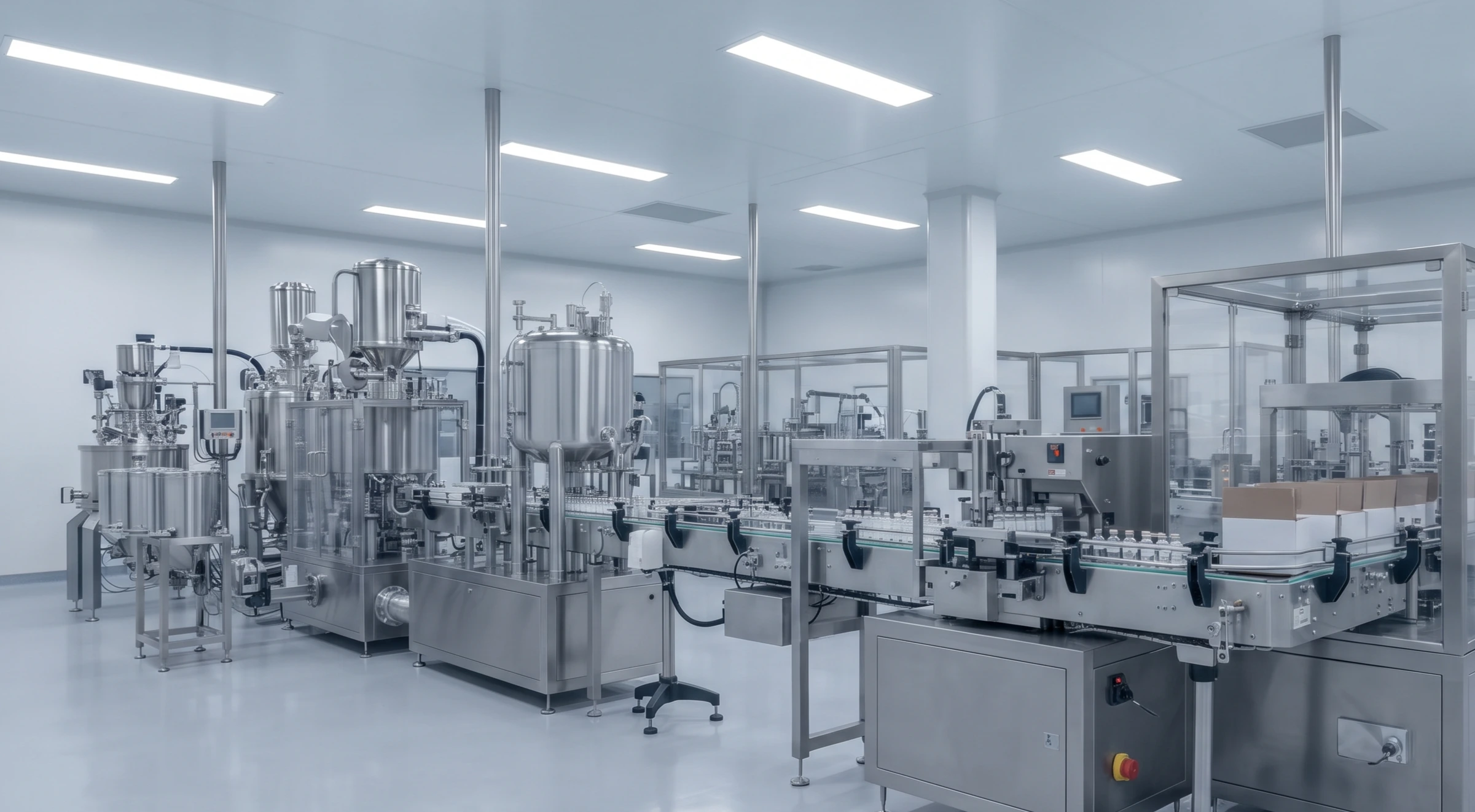
Integration also allows for more advanced Process Analytical Technology (PAT) to be implemented throughout the production flow. In an integrated processing and packaging line, sensors can monitor the chemical and physical properties of the drug during the processing stage and use that data to adjust the packaging parameters. For example, if the moisture content of a granulated powder is slightly higher than usual, the system can automatically increase the seal time or pressure on the blister pack to compensate, ensuring that the final product remains stable. This level of anticipatory quality control is only possible when the two halves of the production process are digitally and physically linked.
The Role of Robotics in End-to-End Workflow
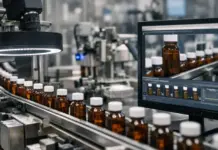
Robotics serve as the connective tissue of integrated processing and packaging pharma lines. High-speed delta robots and six-axis arms are used to move products between stations with extreme precision and flexibility. These robots can handle multiple product formats and perform complex tasks—such as orientation, kitting, and insertion—at speeds that exceed human capabilities. The integration of vision-guided robotics allows the system to identify and reject defective products at any point in the process, ensuring that the packaging stage is never wasted on a faulty pill or vial. This intelligent automation is the engine that drives the efficiency of the modern pharmaceutical factory.
Sustainability and Energy Efficiency
Integrated lines are inherently more energy-efficient than fragmented ones. By optimizing the layout and reducing the need for redundant transport systems, manufacturers can significantly lower their power consumption. Furthermore, a unified control system can optimize the start-up and shut-down sequences of the entire line, minimizing the energy wasted during idle periods. As the industry moves toward Carbon Neutral manufacturing goals, the adoption of integrated processing and packaging lines will be a key strategy for reducing the environmental impact of drug production.
The Unified Future of Pharma Manufacturing
In conclusion, the rise of integrated processing and packaging lines represents a fundamental maturation of the pharmaceutical manufacturing industry. Pharma Advancement highlights that by breaking down the barriers between different stages of production, companies are achieving levels of efficiency, quality, and agility that were once considered unattainable. The ability to see the production process as a single, continuous journey, from the first gram of active ingredient to the final boxed product, is the key to meeting the global demand for safe, affordable, and effective medicine. This evolution is a testament to the power of systems thinking and the transformative potential of integrated technology. Through the lens of integrated integrated processing and packaging lines, we see a world where the complexities of manufacturing are mastered, and the path from scientific discovery to the patient’s bedside is shorter and smoother than ever before. This is the promise of the next industrial era – a unified, data-driven, and highly efficient healthcare supply chain that serves the needs of a growing global population with unwavering precision.
