



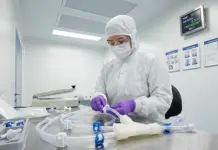
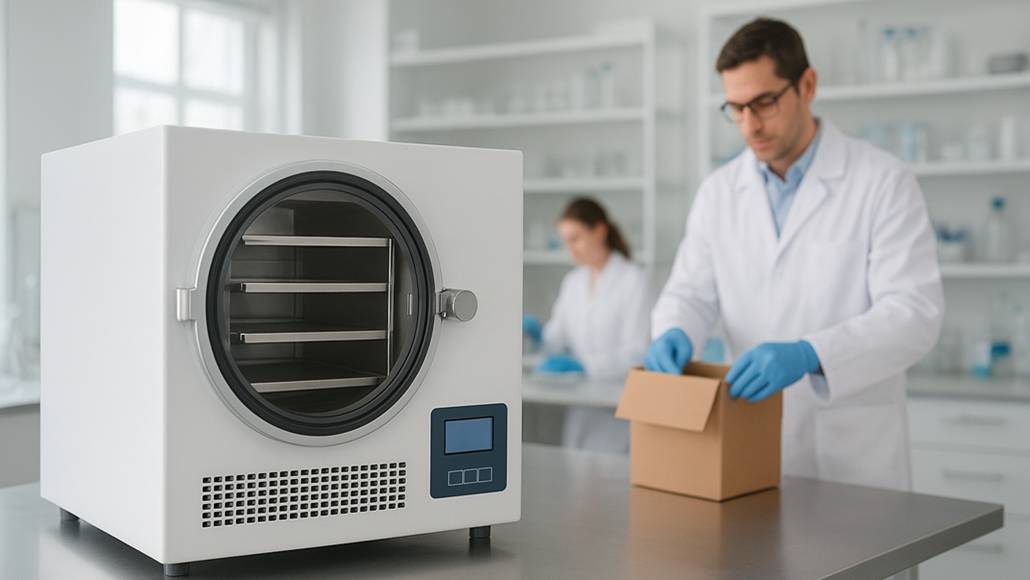



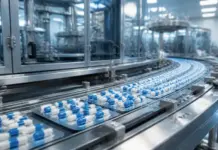

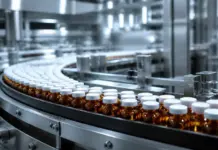

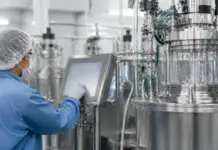
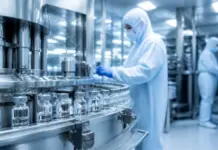

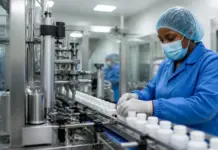
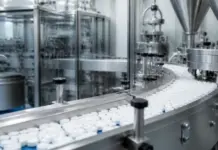



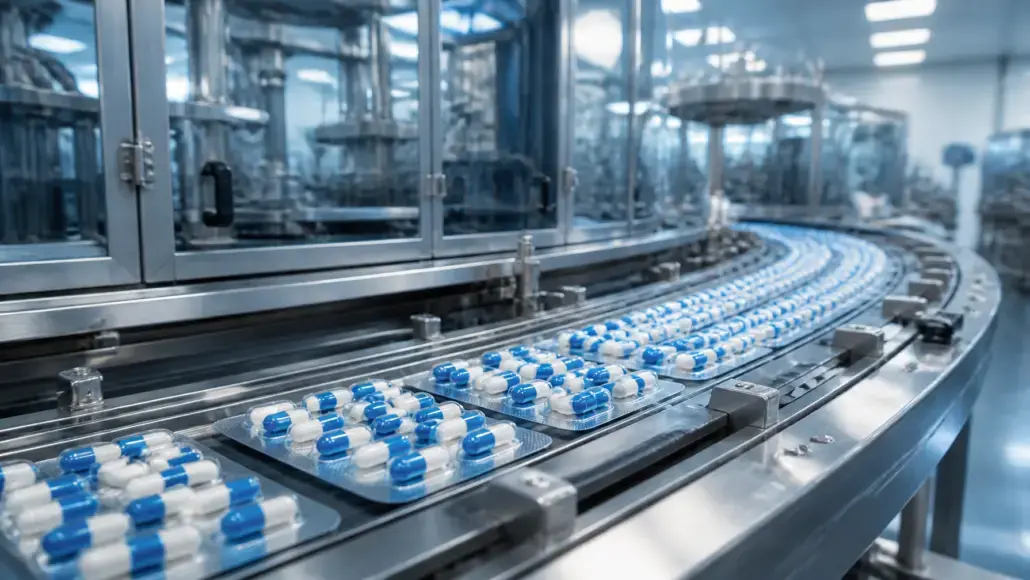
The global pharmaceutical landscape is currently undergoing a seismic shift. At the heart of this transformation is the rapid advancement of high speed pharma packaging automation systems tech, a field that has transitioned from a competitive advantage to a fundamental necessity. In an era where drug safety, production speed, and regulatory compliance are non-negotiable, the integration of sophisticated automation serves as the primary driver for modern manufacturing excellence. These systems are no longer merely about mechanical speed. They represent a holistic convergence of robotics, artificial intelligence, and modular engineering designed to meet the rigorous demands of 21st-century medicine.
As we look toward the innovations in the future, it is clear that the industry is moving away from fragmented production stages toward unified, intelligent ecosystems. The primary objective is to eliminate the bottlenecks that have traditionally plagued pharmaceutical lines, such as manual inspection delays and rigid machinery that requires hours of downtime for changeovers. Pharma Advancement notes that by leveraging pharma packaging automation, companies are achieving throughput rates that were once thought impossible, all while maintaining a level of precision that exceeds the capabilities of the human eye. This technological leap is particularly critical for the handling of high-value biologics and sensitive vaccines, where every second and every millimeter of accuracy translates directly into patient safety and financial viability.
The Architectural Foundations of High-Speed Automation
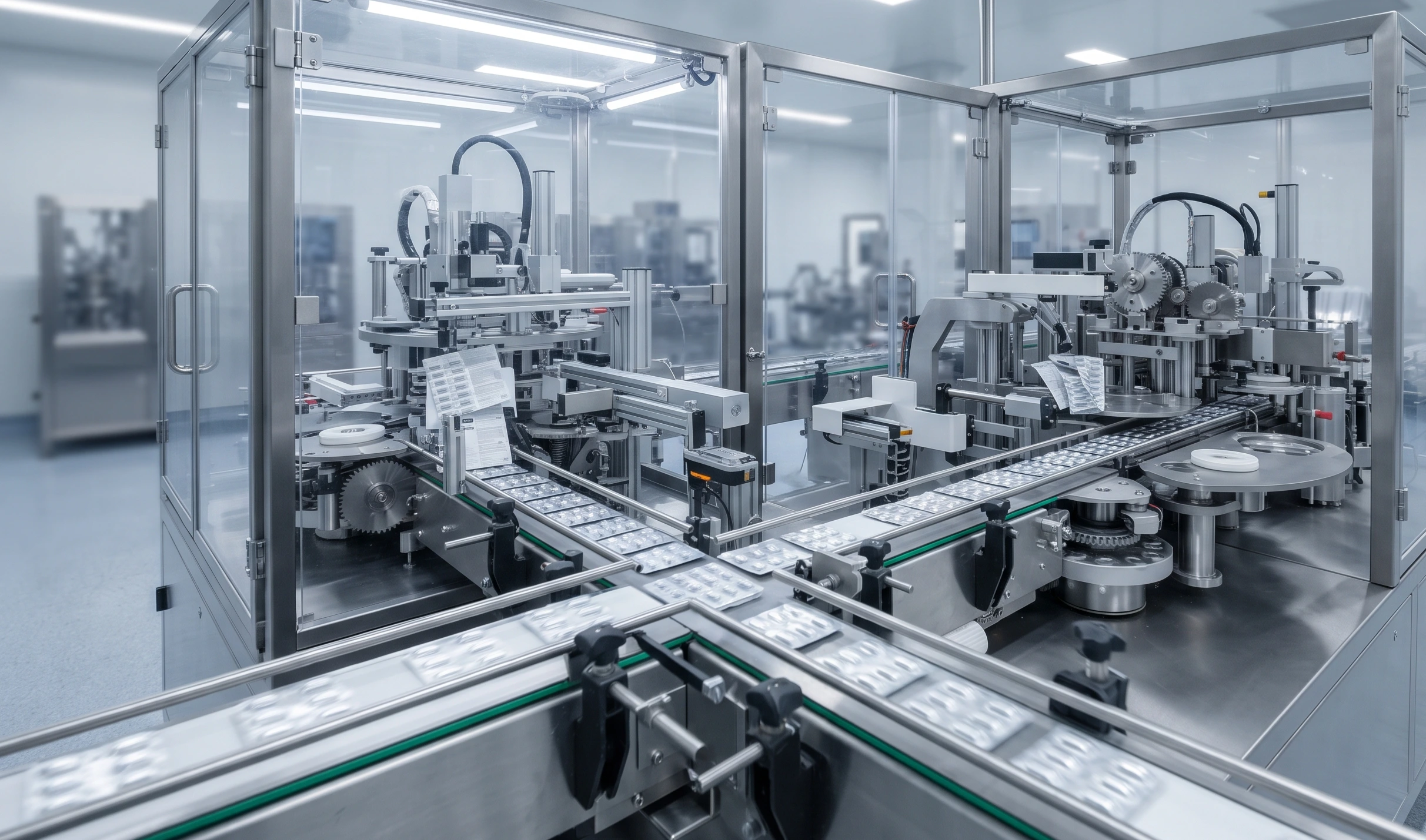
The core architecture of modern high-speed systems is built upon the principles of modularity and synchronization. Unlike the monolithic machines of the past, today’s pharmaceutical packaging lines are composed of intelligent sub-units that communicate in real-time. This decentralized control allows for individual components to adjust their speed and function based on the flow of the entire line, preventing the pile-ups or gaps that lead to mechanical stress. The use of magnetic levitation transport systems, for instance, has replaced traditional conveyor belts in many high-end facilities, allowing for frictionless movement and ultra-precise positioning of vials and syringes at speeds exceeding several hundred units per minute.
The Role of Advanced Robotics in Primary Packaging
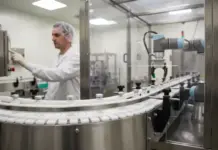
Within the realm of primary packaging, robotics have become the linchpin of efficiency. Modern pick-and-place robots equipped with soft-touch end-effectors can handle delicate glass ampoules or flexible pouches without the risk of breakage or puncture. These robots are often integrated with high-resolution 3D vision systems that allow them to identify orientation and quality issues in milliseconds. The result is a seamless transition from the filling station to the secondary packaging unit, ensuring that only perfect products proceed further down the line. Furthermore, the implementation of collaborative robots, or cobots, has enabled a safer working environment where machines and human supervisors interact without the need for extensive safety cages, thereby optimizing floor space.
Intelligent Control Systems and Predictive Maintenance
A critical component of high speed pharma packaging automation systems tech is the software layer that governs the physical hardware. Advanced Supervisory Control and Data Acquisition (SCADA) systems are now being augmented with machine learning algorithms that analyze vibration, temperature, and torque data in real-time. This allows for predictive maintenance, where the system can signal a potential component failure weeks before it occurs. By addressing these issues during scheduled intervals rather than responding to emergency breakdowns, manufacturers can maintain a constant state of high-speed operation, significantly reducing the total cost of ownership for these complex installations.
Scaling Throughput Without Compromising Quality Standards
The relentless pursuit of speed often raises concerns about quality control, but the latest innovations in pharma packaging automation prove that these two goals are not mutually exclusive. High-speed systems are now equipped with integrated, inline inspection modules that utilize hyperspectral imaging and X-ray technology. These tools can detect micro-cracks in glass, chemical impurities in the seal, or even incorrect fill levels without slowing down the production flow. This 100% inspection capability ensures that the high throughput does not lead to a higher rate of recalls, which is essential for maintaining brand reputation and regulatory standing in the global market.
Synchronized Filling and Capping Innovations
In the specific context of liquid and powder filling, synchronization is the key to maintaining speed. New servo-driven filling nozzles can adapt their movement to the exact shape of the container, minimizing splashing and foaming which are the primary enemies of high-speed filling. When combined with intelligent capping stations that use torque-sensing technology, the system ensures that every bottle is sealed to the exact specification required for shelf-life stability.
The Impact of Industry 4.0 on Packaging Efficiency
The integration of Industry 4.0 principles into high speed pharma packaging automation systems tech has facilitated a new level of data transparency. Every unit processed by an automated line can be assigned a unique digital identity, linked to its specific production data, including the exact torque used for its cap and the temperature of the room during its filling. This data-driven approach not only boosts production efficiency by identifying micro-inefficiencies but also provides an ironclad audit trail for regulators. As the industry moves toward personalized medicine and smaller batch sizes, the ability of these high-speed lines to perform rapid, automated changeovers via software profiles is becoming a decisive factor in a manufacturer’s agility.
Navigating the Future of Pharmaceutical Packaging
Looking ahead to 2026 and beyond, the focus will likely shift toward sustainable automation. The next generation of high-speed machines is being designed with energy-efficient motors and minimal material waste in mind. By optimizing the path of a robot arm or the timing of a heat sealer, these systems reduce the carbon footprint of the packaging process without sacrificing a single unit of output. The convergence of green technology and high-speed automation represents the next frontier for the pharmaceutical industry, ensuring that the life-saving drugs of tomorrow are produced in a way that is both efficient and environmentally responsible.
In summary, the advancements in high speed pharma packaging automation systems tech are setting a new benchmark for the global industry. Through the strategic application of robotics, intelligent software, and modular design, manufacturers are overcoming traditional limitations to deliver safer drugs faster than ever before. The world will see a pharmaceutical sector that is smarter, faster, and more resilient, driven by the unwavering pursuit of automation excellence. This technological evolution is not just a triumph of engineering; it is a commitment to global health and the continuous improvement of the patient experience through manufacturing innovation.
Strategic Implementation and Global Case Studies
The practical application of high speed pharma packaging automation systems tech is best observed in the recent overhaul of large-scale manufacturing hubs in both Europe and Asia. One notable case study involves a leading manufacturer of insulin delivery devices, which recently integrated a fully automated, end-to-end packaging line. By utilizing magnetic levitation transport and high-speed robotic kitting, the facility was able to increase its throughput by 40% while simultaneously reducing its footprint by 25%. This optimization was not just about hardware. It involved the implementation of a centralized data lake that aggregates performance metrics from multiple global sites, allowing for the cross-pollination of efficiency gains and best practices.
Furthermore, the adoption of these systems in emerging markets is playing a vital role in localizing drug production. In Southeast Asia, several national health initiatives are partnering with automation providers to build Smart Pharmas that can rapidly produce generic versions of essential medicines. The use of high-speed automation allows these facilities to maintain global quality standards while operating with a smaller, highly specialized workforce. As we move forward in 2026, the global industry will likely see a surge in these localized, high-tech hubs, driven by the desire for greater supply chain resilience and the need to reduce the environmental impact of long-distance drug shipping. These strategic implementations demonstrate that automation is not just a tool for the largest players, but a scalable solution that can be tailored to the specific needs of regional healthcare systems.
Overcoming Integration Hurdles and Training for the Future
Despite the clear benefits, the transition to high-speed automation is not without its challenges. Pharma Advancement believes that the integration of legacy equipment with modern AI-driven modules requires a sophisticated middleware layer and a robust approach to data standardization. Many manufacturers are finding that the human element remains the most critical factor for success. As machines become more complex, the need for a highly skilled workforce that understands both mechanical engineering and data science is growing. Investment in continuous training programs and the development of intuitive human-machine interfaces are essential for ensuring that the workforce can effectively manage and maintain these advanced systems.
It is clear that the focus will remain on the synergy between human expertise and machine precision. The goal is to create a manufacturing environment where the automation handles the repetitive, high-speed tasks, allowing the human supervisors to focus on high-level strategic optimization and quality oversight. This collaborative model represents the peak of industrial maturity, ensuring that the pharmaceutical sector remains at the cutting edge of technological innovation while maintaining its unwavering commitment to patient safety and public health. Through the strategic implementation of high-speed systems, the industry is not just preparing for the future. It is actively building it.
