




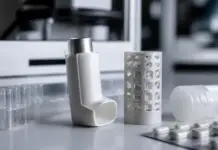


In the complex journey of a pharmaceutical product from the laboratory to the patient, no element is more critical than the material that comes into direct contact with the medication. This interface, known as primary packaging, serves as the final and most vital barrier protecting the chemical integrity and therapeutic potency of a drug. As the industry shifts toward increasingly sophisticated biological therapies and highly sensitive small molecules, the requirements for primary packaging safety have become more stringent than ever. The stakes are incredibly high; even the slightest interaction between the drug and its container can lead to degradation, contamination, or a loss of efficacy, potentially compromising patient safety and resulting in significant financial losses for manufacturers.
The Critical Role of Drug Contact Materials
Pharma Advancement highlights that the heart of primary packaging safety is the rigorous selection and testing of drug contact materials. Unlike secondary packaging, which primarily serves as a physical shield and branding surface, primary components—such as vials, stoppers, syringes, and blister foils—must be chemically inert. Modern drug formulations, particularly those involving monoclonal antibodies or mRNA-based therapies, are highly susceptible to leachables and extractables. These are chemical compounds that can migrate from the packaging material into the drug product over time. Identifying these potential contaminants requires advanced analytical techniques and long-term stability studies. If a material is not carefully vetted, it could introduce impurities that alter the pH of the drug or trigger an unwanted immune response in the patient.
Advancing Standards for Glass and Plastic Packaging
The evolution of glass vial safety has been a central theme in the pursuit of more secure packaging. For decades, Type I borosilicate glass was the industry standard. However, as manufacturers developed more aggressive formulations, issues such as delamination—the shedding of microscopic glass flakes—began to emerge. This led to the development of aluminosilicate glass and specialized coatings designed to minimize surface alkalinity and improve chemical resistance. Furthermore, the physical durability of the glass is paramount. In high-speed aseptic packs and filling lines, even a minor scratch or crack can compromise the sterility of the container. Modern glass manufacturing processes now incorporate strengthening treatments and specialized coatings to reduce friction and prevent breakage during transport and handling.
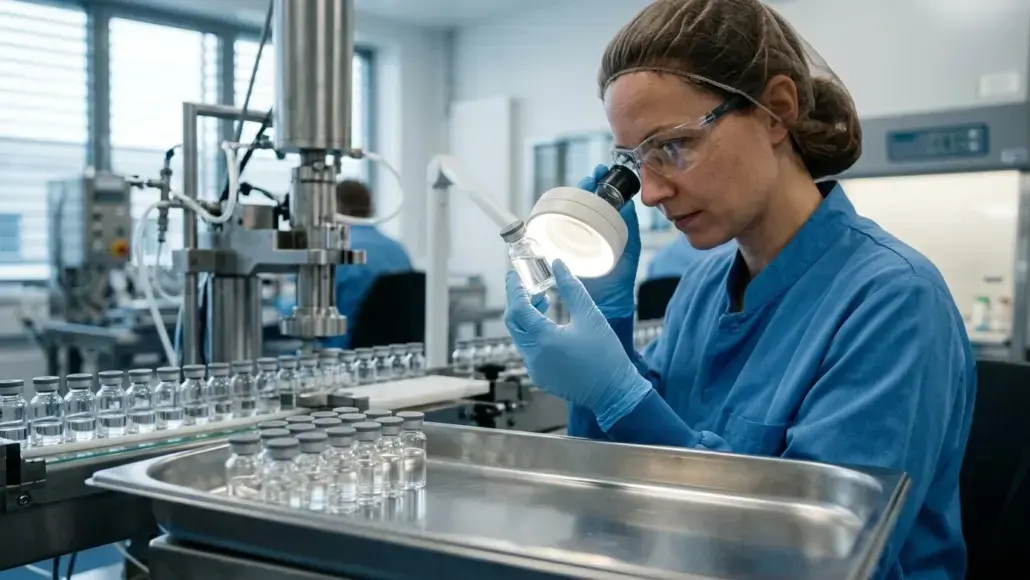
Beyond durability, manufacturers are investing heavily in advanced inspection technologies to identify microscopic defects before containers enter the filling process. High-resolution camera systems, laser-based scanners, and AI-powered quality inspection platforms can detect chips, cracks, inclusions, and dimensional inconsistencies with exceptional accuracy. These automated systems significantly reduce the risk of defective containers reaching production lines, improving both patient safety and manufacturing efficiency. At the same time, innovations in surface treatment are helping to reduce particulate generation during transportation and storage, extending the usable life of containers and supporting the stringent quality standards required for biologics, vaccines, and injectable medicines. As pharmaceutical formulations become increasingly complex, packaging materials must continue evolving to provide greater chemical stability, mechanical strength, and long-term product protection.
Maintaining Integrity in Plastic Containers
As the industry looks for lightweight and versatile alternatives to glass, plastic drug container integrity has become a focal point of innovation. Polymers like cyclic olefin copolymers (COC) and cyclic olefin polymers (COP) offer excellent barrier properties and are significantly more resistant to breakage than glass. However, they present different challenges regarding gas permeability and chemical compatibility. Maintaining primary packaging safety with plastic components requires a deep understanding of the material’s surface energy and its ability to protect the drug from moisture and oxygen. Sophisticated multi-layer structures are often used to combine the benefits of different plastics, ensuring that the inner layer is perfectly compatible with the drug while the outer layers provide the necessary structural strength and barrier protection.
Manufacturers are also adopting advanced polymer engineering techniques to enhance the performance of plastic containers without compromising sustainability goals. Improved resin formulations, plasma surface treatments, and innovative barrier coatings are helping reduce oxygen transmission rates while minimizing the risk of extractables and leachables that could affect sensitive pharmaceutical formulations. In addition, extensive compatibility testing is performed to ensure that plastic containers maintain their integrity throughout sterilization, cold-chain transportation, and long-term storage. These advancements have expanded the suitability of plastic packaging for injectable biologics, specialty drugs, and diagnostic products. As regulatory expectations continue to evolve, plastic packaging solutions are increasingly being designed to balance durability, product protection, recyclability, and manufacturing efficiency, making them an essential component of next-generation pharmaceutical packaging systems.
Ensuring Sterility and Hermetic Seal Integrity
Sterile medicine packs are the cornerstone of injectable drug delivery, where the margin for error is zero. Achieving and maintaining sterility throughout the shelf life of a product requires a holistic approach to design and manufacturing. This includes not only the container itself but also the closure system. The rubber stoppers used in vials must provide a perfect, hermetic seal while remaining compatible with the needle-piercing process. Any failure in the closure system can lead to the ingress of microorganisms, rendering the drug dangerous. Manufacturers are increasingly adopting Ready-to-Use (RTU) components that are pre-sterilized and designed for seamless integration into aseptic filling lines, reducing the risk of human-introduced contamination during the final assembly process.
Safety Challenges in Advanced Drug Delivery Systems
The move toward more complex delivery systems, such as pre-filled syringes and auto-injectors, has added another layer of complexity to primary packaging safety. These devices are both a container and a delivery tool. This means the primary materials must interact perfectly with the mechanical components of the device. For example, the silicone oil used to lubricate the syringe plunger must be carefully controlled; too much can lead to protein aggregation in sensitive biologics, while too little can cause the device to stall during an injection. Every component, from the needle shield to the plunger rod, must be evaluated for its potential impact on the drug’s stability and the patient’s ability to administer the dose correctly.
Regulatory Compliance and Quality by Design (QbD)
Regulatory bodies worldwide are responding to these challenges by increasing the scrutiny of packaging data during the drug approval process. It is no longer enough to show that the drug itself is safe; manufacturers must provide comprehensive evidence that the packaging will protect that safety for the duration of the product’s life. This includes detailed data on extractables and leachables, stability testing under various environmental conditions, and proof of container closure integrity. The focus is shifting from a reactive ‘testing for quality’ approach to a proactive ‘quality by design’ model, where primary packaging safety is considered from the very earliest stages of drug development.
The Path Ahead
Looking ahead, the future of primary packaging lies in active and intelligent materials that can monitor the condition of the drug in real-time. We are seeing the emergence of oxygen scavengers and moisture absorbers integrated directly into the packaging structure to further enhance stability. Additionally, sensors that can detect a breach in sterility or a shift in the chemical signature of the drug are under development. These innovations represent the next frontier in protecting patient health. Pharma Advancement notes that by ensuring that primary packaging safety is never compromised, the pharmaceutical industry can continue to deliver life-saving treatments with the absolute certainty that they will perform exactly as intended when they reach the patient.
