








The pharmaceutical industry has always been a hotbed for technological advancement, but the recent integration of artificial intelligence is sparking a shift in how products are conceived and delivered. For decades, the process of developing a new medication container was a linear and often slow endeavor, involving months of prototyping, material testing, and manual revisions.
However, as artificial intelligence drives pharma packaging designs, this traditional workflow is being replaced by a dynamic, data-driven approach. By leveraging machine learning and advanced simulation, manufacturers can now optimize every aspect of a package, from its structural integrity to its environmental impact, long before a physical sample is even produced.
Predictive Modeling and Data-Driven Material Selection
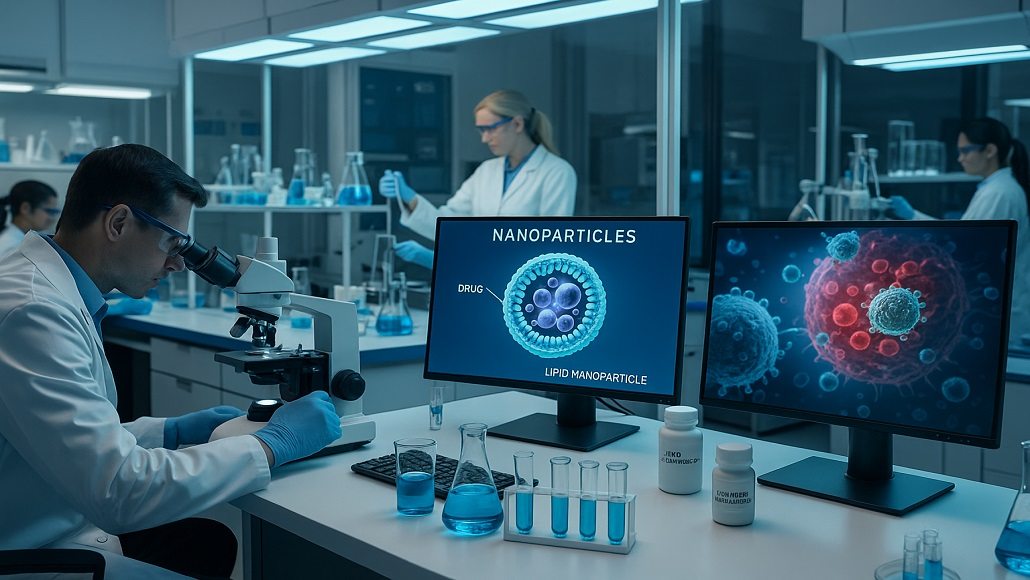
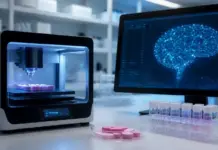
Pharma Advancement notes that the core of AI-driven pharma packaging designs is the use of machine learning for packaging to analyze vast datasets that were previously too complex for human teams to process efficiently. AI algorithms can evaluate thousands of variables simultaneously, including the chemical sensitivity of a drug, the humidity and temperature profiles of different global shipping routes, and the physical stresses a container might face during automated fulfillment.
This allows for pharmaceutical container innovation that is tailored to the specific needs of a product. For example, AI can predict how a new biological therapy will interact with different polymer coatings over a two-year shelf life, helping engineers select the perfect material that ensures stability while minimizing the use of over-engineered, expensive laminates.
Generative AI and Functional Design Optimization
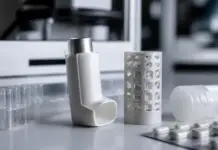
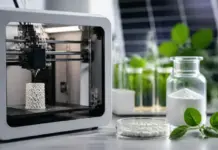
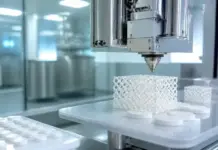
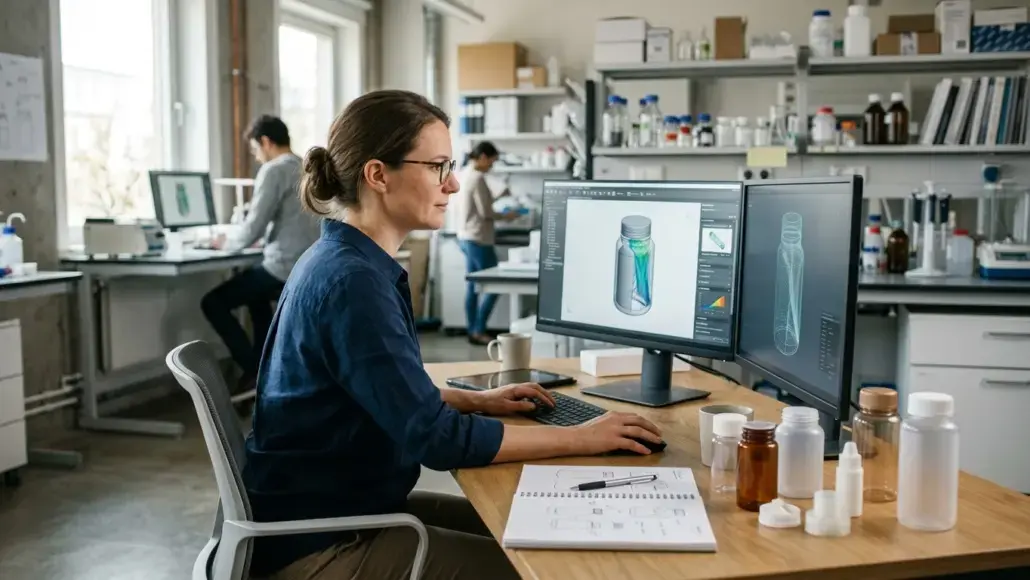
The emergence of digital design tools powered by generative AI is also redefining the aesthetics and functionality of medication containers. Instead of designers manually drawing a bottle or a blister pack, they can now input specific constraints—such as volume, weight limits, and child-resistant requirements—and the AI will generate dozens of optimized design variations. These designs often incorporate organic, high-strength structures that save material and reduce weight, a process known as generative design. This results in more efficient and user friendly containers that are easier for patients to handle while being significantly cheaper and more sustainable to produce at scale.
Additionally, AI-driven simulations enable manufacturers to evaluate how these designs will perform under real-world conditions, including transportation, storage, repeated handling, and exposure to varying temperatures or humidity. This reduces the need for multiple physical prototypes, shortens product development cycles, and lowers research and development costs. The technology also allows packaging to be customized for specific patient groups, such as elderly individuals with limited dexterity or pediatric users requiring safer access features. By combining intelligent design automation with predictive performance analysis, pharmaceutical companies can accelerate innovation while ensuring packaging meets regulatory, ergonomic, and sustainability objectives without compromising product protection or patient safety.
Enhancing Drug Delivery and Patient Ergonomics
Optimization of the drug delivery process is perhaps the most impactful application of AI in pharma packaging designs. As therapies become more complex, the packaging must often function as a delivery device, such as an auto-injector or a wearable pump. AI-driven simulations can model how a patient with limited hand mobility will interact with these devices, identifying potential failure points or ergonomic issues early in the design cycle. This proactive approach ensures that optimized drug delivery is achieved for every patient, regardless of their physical condition. By simulating thousands of usage scenarios, AI helps create devices that are more intuitive, safer, and less likely to be used incorrectly, which is a major factor in patient adherence.
Smart Manufacturing and Real-Time Production Monitoring
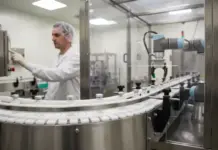
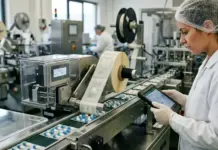
AI in manufacturing also plays a critical role in bridging the gap between design and production. Smart algorithms can monitor production lines in real-time, adjusting the tension on a film or the temperature of a heat sealer to compensate for minor variations in raw materials. This level of control ensures that the final product perfectly matches the AI-optimized design. Furthermore, AI-driven predictive maintenance can identify when a packaging machine is likely to fail, allowing for repairs to be scheduled during planned downtime. This minimizes waste and ensures a consistent supply of medication to the market, which is vital for maintaining public health.
Advancing Sustainability and Material Recovery
The sustainability of pharmaceutical packaging is receiving a significant boost from AI as well. As the industry faces increasing pressure to reduce plastic waste, AI is being used to discover new bio-based materials and optimize recycling processes. Machine learning can analyze the molecular structure of different sustainable resins to predict their barrier properties, accelerating the search for eco-friendly alternatives to traditional plastics. Additionally, AI-powered sorting systems in recycling facilities can identify and separate complex pharmaceutical packaging components more accurately, ensuring that valuable materials are reclaimed and reintegrated into the circular economy.
Digital Twins and Lifecycle Data Integration
Data integration across the product lifecycle is the final piece of the puzzle. By using AI to link design data with real-world performance data from the supply chain, companies can create a “digital twin” of their packaging. This digital replica allows manufacturers to monitor how their containers are performing in the field and use that information to inform the next generation of designs. If a specific type of blister pack is consistently failing in a certain climate, the AI can analyze the data and suggest a design modification to fix the issue. This closed-loop system of continuous improvement is the hallmark of a truly intelligent design process.
The Future of AI-Driven Packaging
In summary, the fact that artificial intelligence drives pharma packaging designs represents a maturation of the industry’s approach to technology. It is no longer just about making things faster; it is about making them smarter, safer, and more sustainable. As AI continues to evolve, we can expect to see even more radical innovations, such as packaging that can change its properties in response to environmental conditions or containers that can communicate directly with a patient’s smart home system. Pharma Advancemenet believes that by embracing these digital tools, the pharmaceutical industry is ensuring that its packaging is as advanced as the medicine it protects, ultimately leading to better care and better lives for patients around the world.
