







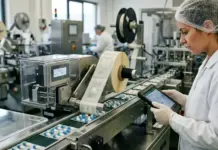



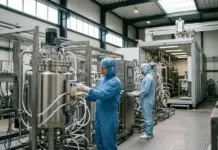
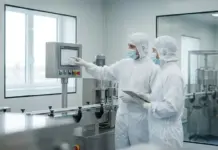
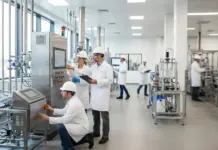

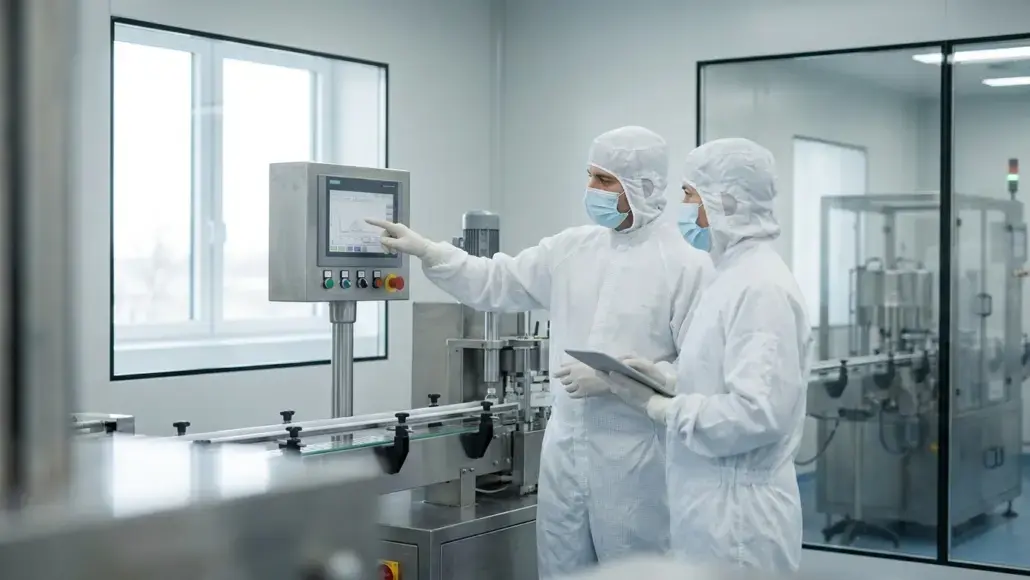
In the production of sterile pharmaceuticals, the margin for error is non-existent. A single microorganism or a minute particle of foreign material can compromise an entire batch of life-saving medicine, posing a direct threat to patient safety and potentially leading to costly recalls or regulatory sanctions. To mitigate these risks, the industry is moving toward integrated contamination control. This approach goes beyond the traditional reliance on cleanroom architecture and HEPA filters it is a holistic philosophy that weaves together technical, organizational, and procedural measures into a single, cohesive framework. By implementing a comprehensive Contamination Control Strategy (CCS), as mandated by the revised EU GMP Annex 1, pharmaceutical manufacturers can achieve unprecedented levels of sterility assurance, ensuring that every product leaving the facility meets the most stringent quality standards.
The Holistic Framework of a Contamination Control Strategy
The core of integrated contamination control is the Contamination Control Strategy (CCS). A CCS is not a static document that sits on a shelf it is a dynamic, site-wide plan that identifies all potential sources of contamination and outlines the specific measures taken to mitigate them. This includes everything from the design of the facility and equipment to the training of personnel, the qualification of vendors, and the validation of cleaning processes. The “integrated” aspect of this strategy means that these various elements are not viewed in isolation. For example, a change in a gowning procedure is evaluated for its impact on environmental monitoring data, and the introduction of a new piece of equipment is assessed for its compatibility with existing disinfection protocols.
Developing a robust CCS requires a deep, data-driven understanding of the manufacturing environment. It starts with a comprehensive risk assessment that maps the journey of the product and its components through the facility. Where are the “critical zones” where the product is exposed? What are the potential pathways for contaminants to enter these zones? By answering these questions, manufacturers can design a strategy that is tailored to their specific processes and products. Integrated contamination control ensures that there are no gaps in the defense if one layer of protection fails, others are in place to prevent a sterility breach.
Advancing Technology for Superior Sterility Assurance
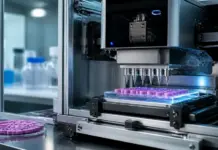
One of the most powerful tools in the arsenal of integrated contamination control is the use of advanced barrier technologies. Restricted Access Barrier Systems (RABS) and, increasingly, Isolator technology, provide a high degree of separation between the sterile product and the human operator who is the single greatest source of contamination in a cleanroom. By housing the filling and capping processes within a sealed, decontaminated environment, manufacturers can drastically reduce the risk of microbial ingress. These systems are often integrated with automated decontamination cycles using Vaporized Hydrogen Peroxide (VHP), ensuring a consistent and validated level of cleanliness that is difficult to achieve with manual wiping alone.
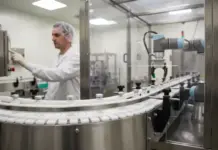
Beyond physical barriers, the integration of automation and robotics is further enhancing sterile operations. Robots can perform repetitive tasks, such as loading vials or transferring materials, with a level of precision and cleanliness that exceeds human capabilities. More importantly, they do not shed skin cells, breathe, or require complex gowning. In an integrated contamination control environment, the goal is to “design out” human intervention wherever possible. When humans must interact with the process, it is through well-defined, validated interfaces that minimize the risk to the product. This technological evolution is a key driver in the pursuit of higher sterility assurance levels.
Real-Time Monitoring and Data Integration
In an integrated contamination control model, environmental monitoring is transformed from a retrospective check into a real-time diagnostic tool. Traditional methods, which involve incubating settle plates and waiting several days for results, are increasingly being supplemented by Rapid Microbiological Methods (RMMs). These technologies can detect and quantify microorganisms in the air or on surfaces in a matter of minutes or hours, allowing for immediate corrective action if a deviation is detected.
The true power of these tools is realized when they are integrated into a centralized data management system. By correlating environmental monitoring data with other variables such as room pressure, humidity, personnel movement, and equipment status manufacturers can identify subtle trends and potential “early warning signs” of a contamination risk. For example, a slight increase in particle counts in a Grade B area might be linked to a specific maintenance activity or a change in airflow patterns. Integrated contamination control uses this data to move from a reactive posture to a predictive one, allowing manufacturers to address potential issues before they ever impact product quality.
The Human Element: Training, Behavior, and Culture
Despite the trend toward automation, people remain a vital part of the sterile manufacturing process, and their behavior is a critical component of integrated contamination control. Excellence in sterile operations requires more than just technical skill it requires a “sterility mindset.” This means that every individual, from the janitorial staff to the senior site leadership, understands the “why” behind the protocols. Why is it essential to move slowly and deliberately in a cleanroom? Why is a single uncovered strand of hair a significant risk?
Effective integrated contamination control includes a robust and ongoing training program that emphasizes aseptic technique, microbiology fundamentals, and the specific requirements of the site’s CCS. But training is only part of the equation companies must also foster a culture where quality and safety are prioritized above all else. This includes encouraging operators to report potential issues or gowning breaches without fear of retribution and involving them in the continuous improvement of contamination control procedures. When personnel are engaged and empowered, they become the most effective “sensors” in the facility, identifying risks that even the most advanced technology might miss.
Conclusion: A Future-Proof Approach to Sterile Manufacturing
Integrated contamination control is the new benchmark for excellence in sterile pharmaceutical manufacturing. By moving beyond siloed, reactive measures and embracing a holistic, data-driven strategy, manufacturers can achieve a level of sterility assurance that was previously unimaginable. The integration of advanced barrier technologies, real-time monitoring, and a strong culture of quality creates a robust defense against the constant threat of contamination. As the industry continues to innovate with more complex and sensitive therapies, such as biologics and cell-based medicines, the importance of integrated contamination control will only grow. It is the essential foundation for ensuring that the promise of modern medicine is delivered safely and reliably to patients around the world.
