










In the diverse world of modern medicine, injectable drug delivery systems occupy a unique and vital position. While oral medications are often favored for their convenience, there are many clinical scenarios where the oral route is simply not viable. For instance, in emergency situations where a rapid therapeutic effect is required, or when dealing with complex biologics that would be destroyed by the digestive system, parenteral delivery is the only effective option. Over the past decade, significant advancements in the engineering and formulation of these systems have transformed them from simple needles and syringes into sophisticated tools for advancing therapeutics. These innovations are not only improving the efficacy of treatments but also addressing long-standing concerns regarding patient comfort, safety, and the precision of dosing in critical care.
The fundamental advantage of injectable systems is their ability to bypass the “first-pass metabolism” of the liver, ensuring that 100% of the drug enters the systemic circulation immediately. This is particularly crucial for life-saving treatments like epinephrine for anaphylaxis or insulin for diabetic crises. Beyond speed, the precision offered by injectable formulations is unmatched. In oncology and intensive care, where the difference between a therapeutic dose and a toxic one can be incredibly small, the ability to deliver a precise volume of medication directly into the bloodstream or muscle tissue is a cornerstone of patient safety. As we move further into the era of personalized and biological medicine, the role of these advanced delivery systems will only continue to grow in importance.
The Transformation of Pharma Manufacturing for Injectables
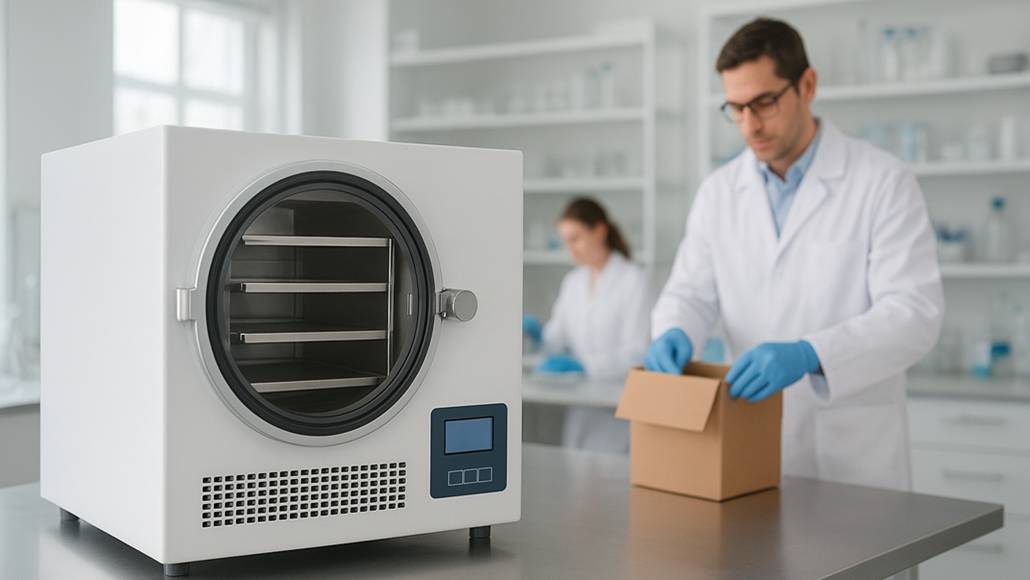
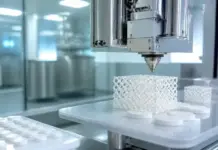
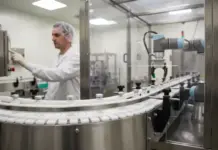
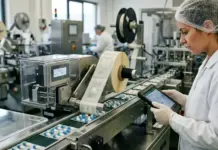
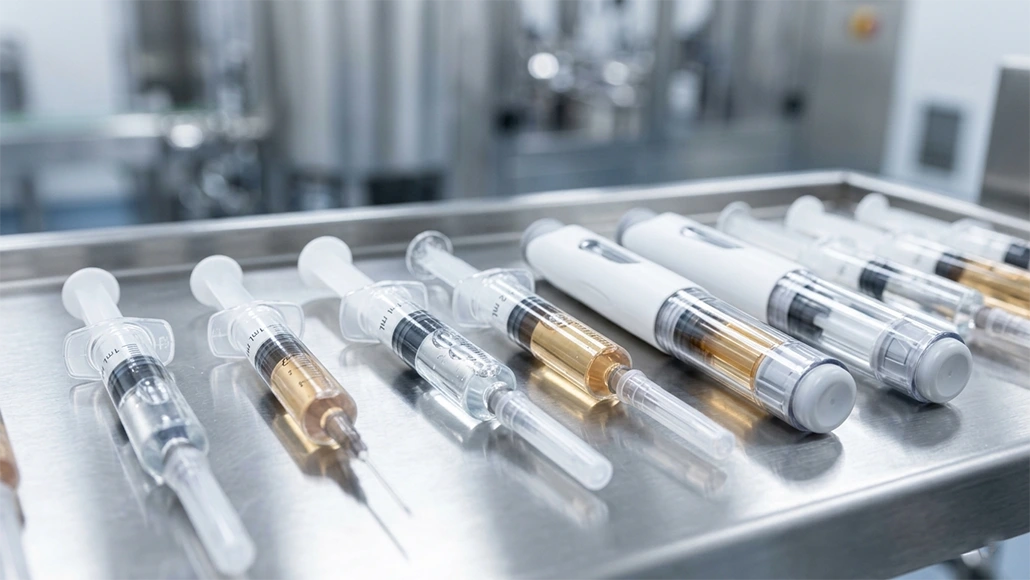
The production of injectable medications is one of the most demanding areas of pharma manufacturing. Because these drugs are delivered directly into the body’s internal environment, they must be absolutely sterile and free from pyrogens or particulate matter. The recent shift toward more complex biopharmaceuticals has required a simultaneous evolution in manufacturing technology. We are seeing a move away from traditional glass vials toward pre-filled syringes and ready-to-use cartridges. These “unit-dose” systems reduce the risk of dosing errors and contamination that can occur when a medication must be drawn from a vial in a busy clinical setting. This focus on “point-of-care” safety is a major driver of innovation in the industry.
Furthermore, the rise of biologics injection has introduced new challenges related to stability and viscosity. Many biological drugs are highly concentrated and can become extremely thick, making them difficult to inject through standard needles. Advanced manufacturing techniques are now producing “low-friction” syringes and specialized needles that allow for a smooth and painless delivery even for the most viscous of formulations. Additionally, the use of “continuous manufacturing” processes for injectables is helping to reduce the lead time for critical medications, ensuring that hospitals and clinics have a steady supply of the treatments they need most. This robust manufacturing infrastructure is the invisible foundation upon which modern parenteral therapy is built.
Advancements in Parenteral Delivery and Long-Acting Injectables
One of the most significant breakthroughs in injectable drug delivery systems is the development of long-acting injectables (LAIs). These formulations are designed to release a steady dose of medication over several weeks or even months from a single injection site. This is often achieved through the use of biodegradable microspheres or “in-situ” forming gels that create a drug reservoir under the skin. LAIs have been particularly transformative in the fields of psychiatry and addiction medicine. For patients managing conditions like schizophrenia, the ability to receive a single monthly injection instead of daily pills can be the difference between a stable life and a cycle of relapse. By ensuring consistent therapeutic levels in the blood, LAIs provide a level of stability that oral medications often cannot match.
In addition to chronic disease management, innovations in parenteral delivery are also focusing on the development of “needle-free” injection systems. These devices use high-pressure gas or springs to push a fine stream of liquid medication through the skin’s pores, eliminating the need for a physical needle. This not only reduces the risk of needle-stick injuries for healthcare workers but also addresses the significant issue of needle phobia among patients. As these systems become more affordable and easier to use, they have the potential to democratize access to injectable therapies, making them a viable option even for self-administration in the home.
The Role of Biologics Injection in Modern Oncology
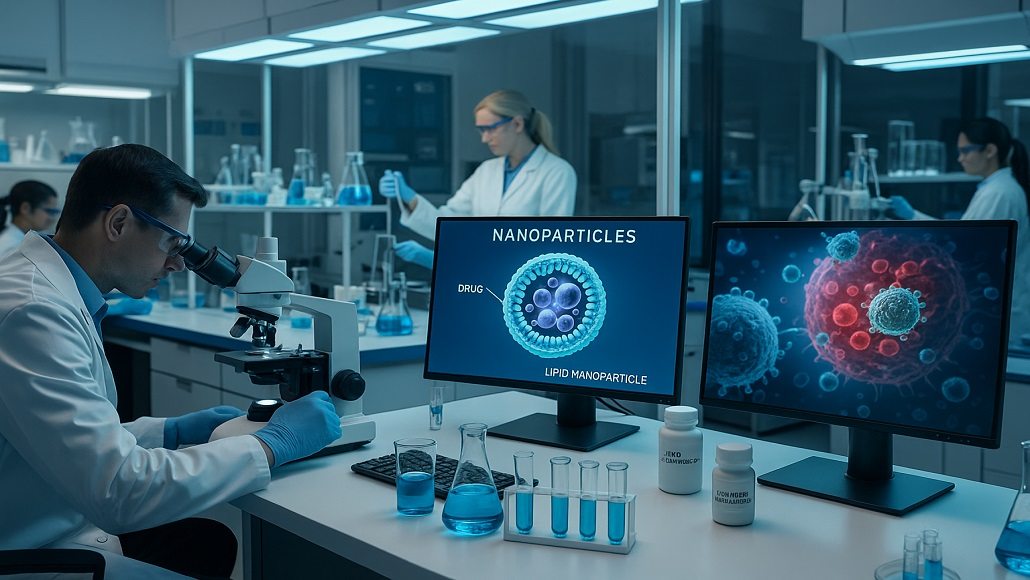
Oncology remains the primary field where injectable drug delivery systems are most critical. Many of the most advanced cancer therapies, such as monoclonal antibodies and immune checkpoint inhibitors, are large proteins that must be delivered parenterally. The focus in this area is on “targeted injectables” formulations that can be delivered directly into a tumor or a specific body cavity to maximize the local effect while minimizing systemic toxicity. For example, intraperitoneal injections are being used to treat ovarian cancers, delivering high concentrations of chemotherapy directly to the site of the disease. This localized approach allows for more aggressive treatment with fewer systemic side effects, significantly improving the patient’s quality of life during therapy.
Furthermore, the integration of “smart” infusion pumps is revolutionizing the way these drugs are administered in clinical settings. These pumps can be programmed with complex dosing schedules and are equipped with safety features that prevent the accidental delivery of an incorrect dose. When combined with real-time monitoring of the patient’s vital signs, these systems create a closed-loop environment where the delivery of the drug is constantly adjusted to the patient’s immediate needs. This level of precision is the hallmark of advanced therapeutics, ensuring that every patient receives the most effective and safest treatment possible.
Future Horizons: Biodegradable Implants and Digital Integration
Looking forward, the future of injectable drug delivery lies in the integration of digital technology and advanced materials science. We are seeing the development of “connected” injectors that can automatically record the time and dose of every injection and send that data directly to a patient’s electronic health record. This allows clinicians to monitor adherence in real-time and provides a wealth of data that can be used to optimize treatment plans. Furthermore, the development of biodegradable “micro-implants” that can be injected through a standard needle and then provide a controlled release of medication for over a year is on the horizon. These devices represent the ultimate in “long-acting” therapy, potentially curing certain conditions with a single intervention.
The sustainability of injectable systems is also a major focus for future innovation. The industry is working to develop more environmentally friendly materials for syringes and packaging, as well as recycling programs for medical devices. By reducing the waste associated with parenteral delivery, we can ensure that these life-saving technologies are as sustainable as they are effective. Through continuous improvement in both the “software” of formulation and the “hardware” of delivery devices, the field of injectable drug delivery is ensuring that the most advanced therapies of the future can be delivered with unparalleled precision, safety, and compassion.
