




















In the traditional practice of medicine, the administration of a drug often follows a “pulse” pattern. A patient takes a pill, the concentration of the drug in their blood spikes to a peak, and then it gradually declines until the next dose is taken. This cyclical nature can lead to periods of toxicity at the peak and sub-therapeutic levels at the trough, both of which compromise the overall success of the treatment. Controlled release formulations have emerged as a sophisticated solution to this problem, offering a way to deliver medication in a consistent, predictable manner over an extended period. By moving away from immediate-release products, the pharmaceutical industry is significantly improving drug efficacy and transforming the patient experience. The core objective of these advanced drug release systems is to maintain the plasma concentration of a drug within the “therapeutic window” the narrow range where the drug is effective without being toxic. For many chronic conditions, such as hypertension, diabetes, or chronic pain, maintaining this steady state is vital. Fluctuations in drug levels can lead to breakthrough symptoms or dangerous side effects, whereas controlled release formulations provide a stable environment that allows the body to maintain homeostasis. This shift from reactive dosing to proactive, sustained delivery represents a major milestone in pharma formulation and clinical outcomes, allowing patients to lead more normal lives without being tethered to a strict medication schedule.
The Science of Sustained Release Drugs and Patient Compliance
One of the most immediate benefits of controlled release technology is the simplification of dosing regimens. For patients managing multiple chronic conditions, the burden of taking several pills at different times throughout the day can be overwhelming. This complexity is a primary driver of non-adherence, which costs healthcare systems billions of dollars annually and leads to poor health outcomes. Sustained release drugs allow for a “set it and forget it” approach, where a single daily dose, or even a weekly injection, replaces a more frequent schedule. This dramatic reduction in pill burden is a cornerstone of enhanced patient compliance, as it aligns the treatment with the patient’s lifestyle rather than forcing the lifestyle to revolve around the treatment. Moreover, the improved compliance directly feeds back into drug efficacy. When a medication is taken consistently and its levels remain stable, the therapeutic effect is more robust. In treatments like antibiotics or anticoagulants, where missing a single dose can have catastrophic consequences, the reliability of controlled release formulations provides a much-needed safety net. By engineering the drug to release slowly through the use of specialized coatings or matrix systems, formulators can ensure that the patient receives the full benefit of the therapy, even if they are slightly late with their next administration. This reliability builds trust between the patient and their treatment plan, further reinforcing positive health behaviors.
Mechanisms of Action in Modern Drug Release Systems
The engineering behind these formulations is as diverse as the drugs they carry. Broadly, controlled release systems can be categorized into several types, such as matrix, reservoir, and osmotic systems. In a matrix system, the drug is uniformly dispersed throughout a polymer that slowly erodes or allows the drug to diffuse out over time. Reservoir systems, on the other hand, feature a core of the drug surrounded by a rate-controlling membrane. These designs are highly customizable, allowing for different release profiles such as zero-order release, where the drug is released at a perfectly constant rate regardless of the remaining concentration. Osmotic pump systems represent some of the most advanced pharma formulation techniques currently in use. These tablets utilize osmotic pressure to push the drug out through a laser-drilled hole at a precise rate. Because the rate of release is controlled by the physical properties of the tablet rather than the chemical environment of the stomach, these systems are remarkably consistent across different patients and dietary habits. This level of predictability is essential for drugs with a narrow therapeutic index, where even minor variations in release could lead to adverse events. By leveraging these mechanical and chemical principles, researchers can optimize dosage optimization to a degree that was previously impossible, ensuring that the medication works exactly as intended for every patient.
Dosage Optimization and the Reduction of Side Effects
A significant portion of drug-related side effects is caused by the high peak concentrations that occur shortly after administration. For example, immediate-release versions of certain painkillers can cause a “high” followed by a “crash,” leading to a cycle of dependence and side effects like nausea or dizziness. Controlled release formulations mitigate these issues by “flattening the curve.” By releasing the drug slowly, they prevent the sudden surge in plasma levels that triggers these adverse reactions. This makes the medication much better tolerated, allowing patients to remain on their necessary treatments for longer periods. Furthermore, dosage optimization through controlled release can lead to a reduction in the total amount of drug required over a 24-hour period. Because the drug is used more efficiently and less is lost to metabolic “overload” during peak periods, the overall systemic burden is reduced. This is particularly beneficial for the liver and kidneys, which are responsible for clearing drugs from the body. By providing a constant, low-level supply of the medication, controlled release systems mimic the body’s natural processes, making the treatment feel more like a biological supplement than a foreign chemical intervention. This reduction in side effects is not just a matter of comfort; it is a critical factor in the long-term success of treatments for conditions like depression or epilepsy, where the side effects of immediate-release medications are often the primary reason for treatment discontinuation.
Future Directions in Pharma Formulation and Smart Delivery
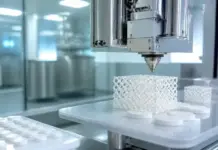
As we look to the future, the boundaries of controlled release are being pushed even further with the development of “smart” and “responsive” delivery systems. These are formulations that don’t just release a drug at a set rate, but respond to the body’s needs in real-time. For instance, an implantable device could release a dose of anti-inflammatory medication only when it detects a rise in biomarkers associated with an autoimmune flare-up. This “on-demand” controlled release represents the pinnacle of precision and efficacy, ensuring that the drug is only present when it is absolutely necessary. The integration of 3D printing into pharmaceutical manufacturing is also set to revolutionize this field. 3D printing allows for the creation of tablets with complex internal geometries that can provide highly specific release profiles tailored to an individual patient’s metabolism. This move toward personalized controlled release will further enhance drug efficacy and minimize side effects, as the medication will be perfectly calibrated to the person taking it. As these technologies mature, the goal of creating a truly seamless and invisible healthcare experience moves closer to reality, where the delivery system works silently in the background to maintain health and vitality. We are also exploring the use of biodegradable electronics that can communicate with external devices to provide real-time data on drug release and physiological response, creating a truly “connected” health platform.
The Role of Regulatory Science in Sustaining Innovation
The rapid advancement of controlled release technologies requires a corresponding evolution in regulatory science. Regulators must find a balance between encouraging innovation and ensuring that these complex systems are safe and reliable. This involves developing new testing protocols that can accurately simulate the human environment and predict how a drug will be released over weeks or months. Collaboration between industry and regulatory bodies is essential for establishing standards that ensure consistency and quality across the globe. As we move toward more personalized and responsive systems, the regulatory framework must also become more flexible, allowing for data-driven adjustments to treatment plans. This dialogue between science and policy is what ensures that the benefits of controlled release reach the patients who need them most, without compromising on safety. Furthermore, the global harmonization of these regulations will facilitate the faster distribution of innovative formulations across international borders, ensuring that a breakthrough in one part of the world can quickly benefit patients everywhere.
Sustainability and the Environmental Footprint of Pharma
As we innovate, we must also consider the environmental impact of our formulations. Traditional medication delivery often involves significant amounts of single-use plastics and packaging. Controlled release systems, by reducing the frequency of administration, can help to lower this footprint. However, the materials used in the formulations themselves must also be evaluated for their environmental impact. The development of bio-based and fully biodegradable polymers for drug delivery is a growing field, aiming to ensure that the medications of the future are as kind to the planet as they are to the patient. By integrating sustainability into the core of pharma formulation, we can create a healthcare system that is truly resilient for the long term. This commitment to the “green” pharmacy is a vital part of our responsibility to future generations, ensuring that we do not solve today’s health problems at the expense of tomorrow’s environment.
