




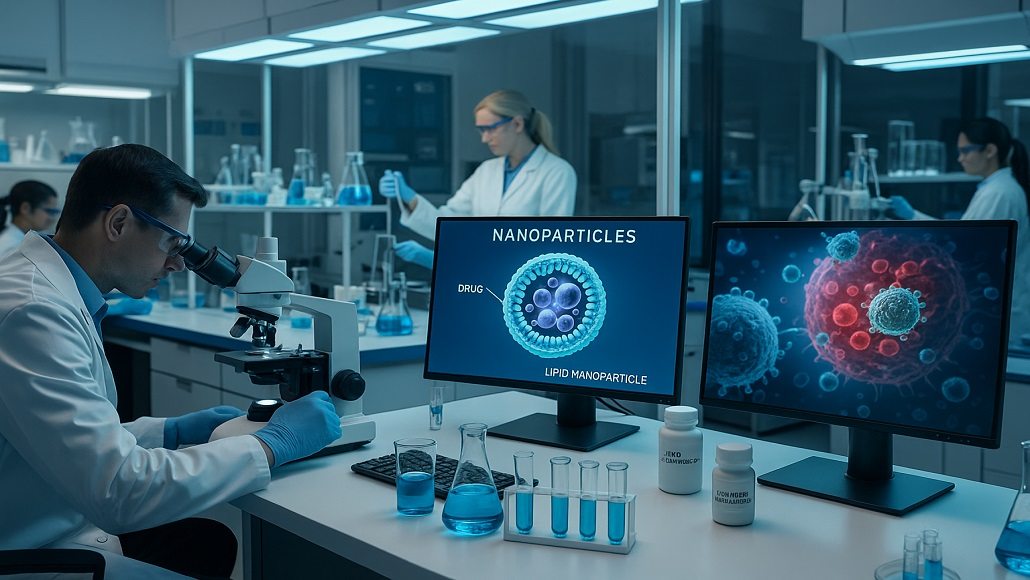











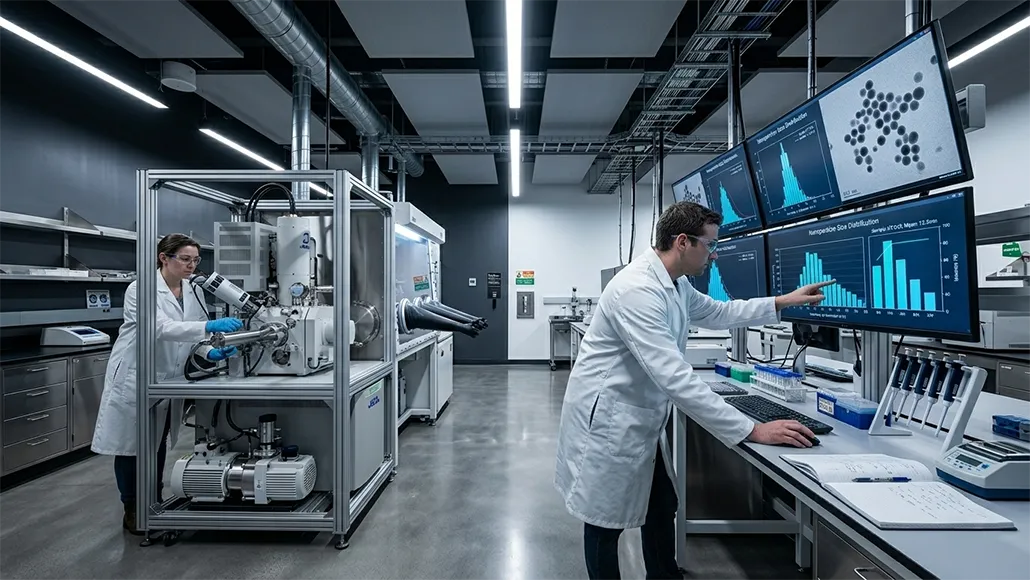
The field of medicine is currently witnessing a revolution that takes place at the scale of atoms and molecules. Nanotechnology drug delivery is no longer a concept of science fiction but a tangible reality that is redefining the boundaries of therapeutic intervention. By manipulating matter at the nanometer scale roughly 1 to 100 nanometers scientists have developed delivery systems that can navigate the intricate biological landscape of the human body with a level of precision that was previously unimaginable. This technological leap is the primary engine driving precision medicine, an approach that tailors medical treatment to the individual characteristics of each patient. At its core, the marriage of nanomedicine and drug delivery addresses the fundamental flaw of conventional medicine: the lack of specificity. Most traditional drugs are distributed throughout the body, regardless of where the disease is located. This “shotgun” approach often necessitates higher doses to ensure enough medication reaches the target, which in turn leads to systemic toxicity and debilitating side effects. Nanotechnology changes this by using nano drug carriers to encapsulate medications, protecting them from degradation while they travel through the bloodstream and releasing them only when they encounter specific biological triggers at the site of the disease.
The Architecture of Targeted Nanoparticles in Oncology
The most profound impact of nanotechnology drug delivery has been in the realm of oncology. Cancer treatment has traditionally been a brutal balance between killing the tumor and keeping the patient alive. Targeted nanoparticles are changing this equation by exploiting the unique physiology of tumors. For instance, tumors often have “leaky” blood vessels and poor lymphatic drainage, a phenomenon known as the enhanced permeability and retention (EPR) effect. Nanocarriers are engineered to be just the right size to slip through these gaps in tumor blood vessels while remaining too large to enter healthy tissue, effectively concentrating the drug within the malignancy. Furthermore, these nanoparticles can be “functionalized” with ligands such as antibodies or peptides that bind specifically to receptors overexpressed on the surface of cancer cells. Once the nanoparticle attaches to the cell, it can be internalized, releasing its toxic cargo directly into the heart of the tumor. This precision medicine delivery ensures that the chemotherapy kills the cancer while leaving the immune system and healthy organs largely untouched. The result is not just a more effective treatment, but a significantly improved quality of life for the patient, as the traditional horrors of hair loss, extreme nausea, and organ damage are minimized. We are also seeing the development of “smart” nanoparticles that can release their payload in response to specific tumor environments, such as low pH or high levels of certain enzymes, adding another layer of control and safety to cancer therapy.
Advancements in Nano Drug Carriers and Bio-Barriers
One of the greatest challenges in pharmacology is crossing biological barriers, such as the blood-brain barrier (BBB), which prevents more than 98% of small-molecule drugs from reaching the brain. Nanotechnology drug delivery offers a key to this lock. By coating nano drug carriers with specific surfactants or targeting moieties, researchers can “trick” the BBB into allowing the medication to pass. This has massive implications for the treatment of neurodegenerative diseases like Alzheimer’s and Parkinson’s, as well as brain tumors that were previously considered untreatable. The ability to deliver advanced therapeutics across these barriers represents one of the most significant breakthroughs in 21st-century medicine. Various types of nanocarriers are being utilized, each with its own set of advantages. Liposomes, which are spherical vesicles made of lipid bilayers, are perhaps the most well-known and are already used in several FDA-approved treatments. Dendrimers, which are highly branched, tree-like polymers, offer a large surface area for attaching multiple drugs or targeting agents. Gold nanoparticles and carbon nanotubes are also being explored for their unique optical and electrical properties, which can be used to trigger drug release via external stimuli like light or heat. This diversity of nanocarriers allows for a highly customized approach to drug delivery, fitting the specific needs of the molecule and the disease.
Precision Medicine Delivery and the Personalization of Care
The ultimate goal of precision medicine is to provide the right drug, at the right dose, to the right patient, at the right time. Nanotechnology is the vehicle that makes this possible. By integrating diagnostic capabilities into the delivery system a field known as “theranostics” clinicians can visualize the location of a disease and deliver treatment simultaneously. For example, a nanoparticle could be engineered to carry both an imaging agent and a therapeutic drug. This allows doctors to monitor the accumulation of the drug at the tumor site in real-time, adjusting the treatment plan based on the individual patient’s response. This level of personalization is particularly important as we move into the era of gene therapy and mRNA-based treatments. These large, fragile molecules are easily destroyed by the body’s immune system before they can reach their target. Nanotechnology provides the protective shell needed to transport these genetic instructions safely into the cell. The success of the recent mRNA vaccines for COVID-19 was entirely dependent on lipid nanoparticles for delivery, proving that nanomedicine is a robust and scalable solution for some of the world’s most pressing health challenges. As we refine these systems, the potential to treat genetic disorders and chronic diseases at their source becomes a reality, moving us closer to the dream of “curative” medicine rather than just symptom management.
Ethical Considerations and Future Prospects for Advanced Therapeutics
As with any powerful technology, the rise of nanotechnology drug delivery brings with it new questions and challenges. The long-term safety of synthetic nanoparticles in the body is a subject of intense study, and researchers are increasingly focused on developing biodegradable and “bio-inspired” carriers that can be safely metabolized and excreted. Furthermore, the complexity and cost of these advanced therapeutics raise concerns about equitable access. Ensuring that the benefits of nanomedicine are available to all, regardless of socioeconomic status, is a challenge that the global health community must address. Despite these hurdles, the trajectory of nanotechnology drug delivery is clear. We are moving toward a future where “dumb” drugs are replaced by “smart” systems that can sense their environment, navigate the body, and perform complex therapeutic tasks with minimal human intervention. The integration of artificial intelligence with nanotechnology will likely lead to even more sophisticated carriers that can adapt to the changing state of a disease in real-time. By continuing to push the boundaries of what is possible at the nanoscale, we are paving the way for a more precise, effective, and humane era of medicine that prioritizes the unique needs of every individual patient. This journey involves not just scientists and doctors, but also regulators, ethicists, and patients, all working together to ensure that this technology is used responsibly and for the greatest possible benefit to humanity.
Navigating the Regulatory and Safety Landscape
The path from the laboratory to the clinic for nanomedicines is paved with rigorous testing and regulatory scrutiny. Because nanoparticles behave differently than bulk materials, traditional toxicology models are often insufficient. Regulators are working to develop new frameworks that can account for the unique properties of nanocarriers, such as their surface charge, size distribution, and potential for long-term accumulation in the liver or spleen. Safety is paramount, and the industry is investing heavily in “biocompatibility by design,” where potential toxicity is addressed at the earliest stages of carrier development. This proactive approach ensures that the advanced therapeutics we create are not only effective but also safe for long-term use in diverse patient populations. Moreover, the standardization of characterization techniques is vital for ensuring consistency in manufacturing, which is a prerequisite for widespread clinical adoption. As we build a more robust data set on the safety and efficacy of these systems, we can expect the pace of approvals to increase, bringing these life-changing therapies to patients more quickly.
The Global Collaboration for Nanomedicine Innovation
Innovation in nanotechnology is a truly global endeavor, requiring collaboration across disciplines and borders. We are seeing partnerships between academic institutions, biotech startups, and major pharmaceutical companies, all pooling their resources to tackle the most difficult delivery challenges. This collective intelligence is what drives the field forward, as insights from materials science, molecular biology, and clinical medicine are synthesized into new therapeutic strategies. Furthermore, international regulatory cooperation is essential for ensuring that these treatments can be delivered safely and efficiently across the globe. By fostering an open and collaborative research environment, we can accelerate the development of the next generation of precision medicine delivery systems. This global network is the foundation upon which the future of medicine is being built, ensuring that the benefits of nanotechnology are shared by all.
