











The landscape of modern pharmacology is undergoing a tectonic shift, moving beyond the simple synthesis of active pharmaceutical ingredients toward the mastery of how these molecules are transported within the human body. For decades, the primary hurdle in treating complex diseases was not necessarily the lack of a potent molecule, but rather the inability to deliver that molecule to the specific site of pathology without causing systemic harm. Today, the emergence of advanced drug delivery systems represents a paradigm shift, where the delivery mechanism itself is as critical to therapeutic success as the drug it carries. This evolution is characterized by a move from traditional oral and injectable forms to sophisticated platforms capable of autonomous regulation and site-specific action. In the early days of medicine, delivery was rudimentary pills, potions, and powders that relied on the body’s natural digestive processes. This often resulted in poor bioavailability and a “rollercoaster” effect of drug concentration in the bloodstream. Advanced drug delivery systems have changed this dynamic by offering precise control over the pharmacokinetic profile of a treatment. By utilizing various drug delivery technologies, researchers can now ensure that a drug bypasses biological barriers, such as the blood-brain barrier or the acidic environment of the stomach, to reach its intended destination in a viable state. This precision is not just about efficiency; it is about expanding the horizons of what can be treated, particularly in oncology and neurology where the therapeutic window is notoriously narrow.
The Role of Targeted Drug Delivery in Specialized Care
One of the most significant pillars of this transformation is targeted drug delivery. Traditional chemotherapy, for instance, is often described as a “carpet-bombing” approach, killing healthy and cancerous cells alike. Targeted systems, however, function more like precision-guided missiles. By anchoring drugs to ligands that recognize specific receptors on diseased cells, these systems ensure that the payload is released only where it is needed. This level of specificity dramatically reduces the incidence of adverse side effects, which has long been the primary cause of patient non-compliance and treatment discontinuation. In the realm of pharmaceutical innovation, the development of antibody-drug conjugates and ligand-targeted liposomes stands as a testament to how far we have come in minimizing collateral damage. Beyond oncology, targeted delivery is proving vital for treating inflammatory disorders and cardiovascular diseases. The ability to direct anti-inflammatory agents specifically to inflamed joints or atherosclerotic plaques prevents the systemic immunosuppression often associated with high-dose corticosteroids. This localized approach allows for higher concentrations of the drug at the site of action than would be safe if administered systemically. As we refine our understanding of molecular biology, the library of targets continues to grow, allowing for even more granular control over therapeutic interventions. We are seeing a move toward therapies that are not only site-specific but also time-specific, ensuring that the drug is active only during the body’s peak period of vulnerability or when specific disease markers are highest.
Mechanics of Controlled Release Systems and Patient Longevity
Complementary to targeting is the implementation of controlled release systems. In chronic disease management, the burden of daily or multi-daily dosing is a significant barrier to effective health outcomes. Controlled release technologies allow for a single administration to provide therapeutic levels of a drug for weeks or even months. This is often achieved through the use of biodegradable polymers or osmotic pumps that release the drug at a constant, pre-determined rate. By maintaining a steady-state concentration in the plasma, these systems eliminate the peaks and valleys associated with immediate-release formulations, thereby reducing toxicity and improving overall drug efficacy. The integration of these systems into clinical practice has seen a surge in the use of long-acting injectables and implantable devices. For patients managing mental health conditions or hormonal imbalances, the reliability of a sustained release drug can be life-altering. It removes the cognitive load of medication adherence and provides a safety net against missed doses. Furthermore, these controlled release systems are being engineered to be “smart,” responding to physiological cues such as pH levels or glucose concentrations. A glucose-responsive insulin delivery system, for example, mimics the function of a healthy pancreas, releasing insulin only when blood sugar levels rise, thus preventing hypoglycemia. This level of automation in therapy reduces the burden on the patient and the healthcare provider, creating a more seamless integration of medicine into daily life.
Strategies for Bioavailability Enhancement in Poorly Soluble Drugs
A persistent challenge in drug development is that many of the most promising new chemical entities are poorly soluble in water. This lack of solubility leads to poor absorption in the gastrointestinal tract, rendering a potent drug ineffective. Advanced drug delivery systems address this through various bioavailability enhancement strategies. Techniques such as solid dispersions, self-emulsifying delivery systems, and the use of cyclodextrins allow these hydrophobic molecules to be held in a state that favors absorption. By improving the solubility and permeability of a drug, these technologies ensure that a higher percentage of the administered dose reaches the systemic circulation. This focus on bioavailability is a cornerstone of modern pharmaceutical formulation. It allows for the repurposing of older drugs that were previously shelved due to poor performance and optimizes the development of new ones. When a drug’s bioavailability is maximized, the required dose can be lowered, which in turn reduces the metabolic burden on the liver and kidneys. This efficiency is particularly important for geriatric patients who may have compromised organ function or are taking multiple medications simultaneously. The synergy between chemical engineering and biological science is nowhere more apparent than in these efforts to make “difficult” molecules therapeutically viable and safe for a broader range of patients.
Future Horizons in Pharmaceutical Innovation
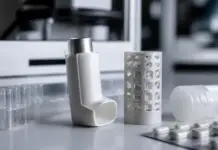
As we look toward the future, the integration of digital technology with drug delivery is set to redefine the patient experience. The concept of “connected” delivery devices smart inhalers or electronic pills allows for real-time monitoring of drug intake and physiological response. This data-driven approach enables clinicians to adjust dosages remotely and provides patients with immediate feedback on their treatment progress. The convergence of biotechnology, nanotechnology, and data science is creating an ecosystem where the delivery system is an active participant in the healing process, rather than a passive carrier. The ultimate goal of these advanced drug delivery systems is the democratization of high-quality healthcare. By making treatments more effective, less toxic, and easier to administer, we can reduce the overall cost of care and improve the quality of life for millions of people worldwide. The continued investment in pharmaceutical innovation is not just about profit; it is about fulfilling the promise of modern medicine to provide targeted, effective, and humane care. As we continue to break down the barriers of biological complexity, the potential for these systems to transform global health remains boundless. We are entering an era where the distinction between the drug and its delivery system becomes increasingly blurred, leading to “theranostic” platforms that diagnose and treat simultaneously.
Sustaining Therapeutic Efficacy Through Material Science
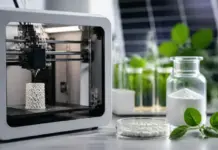
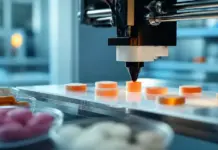
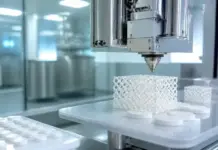
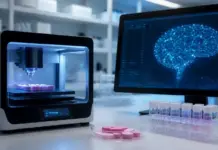
The materials used in these systems are evolving from simple plastics to “living” polymers and bio-resorbable scaffolds. These materials are designed to interact with the body’s own tissues, promoting healing while slowly releasing their therapeutic payload. For example, in bone regeneration, a scaffold might release growth factors over several months while providing the structural support necessary for new bone to form. This dual-functionality is a hallmark of the next generation of drug delivery technologies. Furthermore, the use of patient-specific 3D-printed delivery devices is becoming a reality, allowing for a level of personalization that was once thought impossible. By tailoring the shape, size, and release profile of a delivery system to an individual’s unique anatomy and metabolism, we can achieve optimal outcomes with minimal intervention. This focus on the “human element” of medicine ensures that technological progress translates directly into better patient care and improved societal health.
Global Impact and the Reduction of Medical Waste
The shift toward advanced delivery systems also has profound implications for global health equity and sustainability. By improving the stability and efficacy of drugs, these systems can reduce the amount of medication that is wasted due to spoilage or improper dosing. In regions with limited healthcare infrastructure, long-acting delivery systems can bridge the gap in care, providing consistent treatment for patients who may not have regular access to a pharmacy or clinic. This global perspective is essential as we strive to address the burden of both infectious and non-communicable diseases on a worldwide scale. The reduction in the frequency of administration also translates to a lower environmental footprint, with fewer syringes, vials, and packaging materials ending up in landfills. Thus, advanced drug delivery systems are not only a boon for individual health but also for the health of our planet.
