




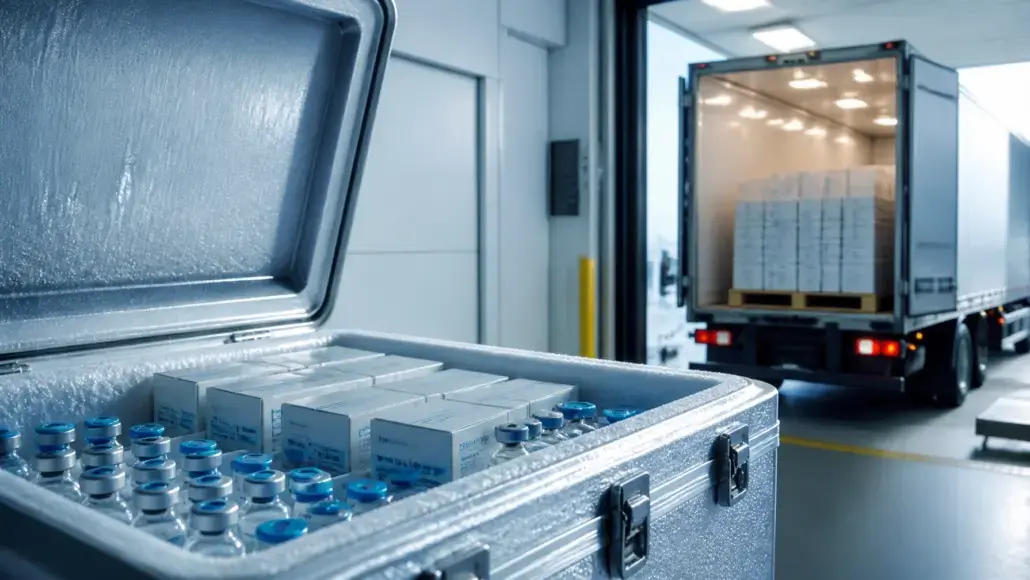
The global healthcare industry is currently witnessing a paradigm shift in how life-saving medications are transported across borders. The focus on temperature controlled pharma logistics innovations has never been more intense. As the pharmaceutical pipeline increasingly pivots toward biologics, gene therapies, and mRNA-based vaccines, Pharma Advancement notes that the requirements for maintaining a strict temperature range have become exponentially more complex. The cold chain is no longer a simple refrigerated truck. It is a sophisticated, technology-driven ecosystem that integrates real-time data, advanced thermal science, and global coordination to ensure that a drug’s efficacy is never compromised by environmental exposure.
In the past, a single excursion outside the mandated temperature range could lead to the loss of millions of dollars in inventory and, more importantly, put patient health at risk. Today, the industry is responding with a suite of innovations designed to eliminate these vulnerabilities. From the moment a vial leaves the sterile filling line to its final administration in a remote clinic, every second of its journey is now subject to microscopic levels of oversight. These temperature controlled logistics solutions are not only about refrigeration. They encompass the entire lifecycle of the product, including packaging, storage, transportation, and last-mile delivery. The goal is clear: zero-defect distribution for every patient, regardless of their location on the map.
The Evolution of Passive and Active Thermal Packaging
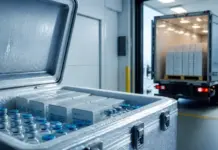
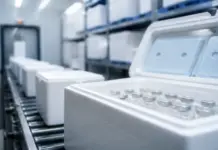
At the core of these innovations is the physical packaging that shields sensitive products from external heat or cold. The industry has traditionally relied on passive systems, such as polystyrene boxes and ice packs, which have a limited duration of effectiveness. However, the latest advancements in Phase Change Materials (PCM) have revolutionized this space. PCMs are substances that absorb or release thermal energy during the transition from one state to another, providing a stable temperature environment for up to 120 hours or more. These materials can be tuned to specific ranges, such as 2-8°C, -20°C, or even ultra-low temperatures required for certain cell therapies.
Active Cooling Systems and the Rise of Smart Containers
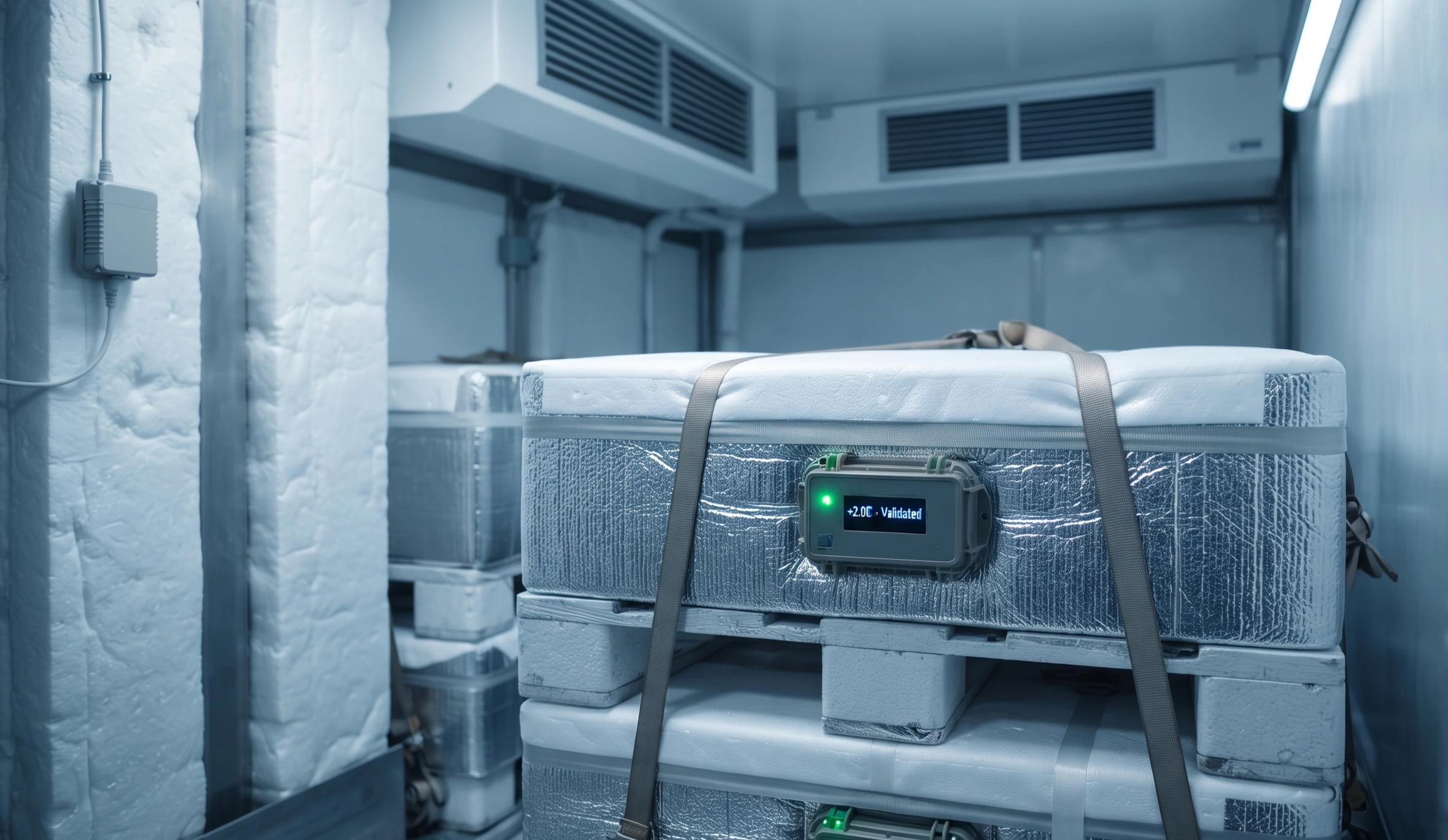
While passive systems are ideal for many applications, the transport of high-value, long-haul shipments often requires active cooling systems. These are essentially portable, high-tech refrigerators that can be plugged into a power source or run on advanced battery systems. The newest generation of active containers, features integrated climate control units that can adjust cooling or heating based on external ambient conditions. This is particularly vital for shipments crossing multiple climate zones, such as a flight from the winter of Northern Europe to the tropical heat of Southeast Asia. By utilizing these active smart containers, logistics providers can offer a guaranteed environment, reducing the insurance premiums and risk profiles associated with specialty pharma.
Next-Generation Insulation: Vacuum Insulated Panels (VIP)
To maximize the internal volume while maintaining superior thermal protection, engineers are increasingly turning to Vacuum Insulated Panels (VIP). These panels provide up to five times the insulation value of traditional materials at a fraction of the thickness. By utilizing VIPs, manufacturers can design smaller, lighter shipping containers that hold more product, thereby reducing shipping costs and the overall carbon footprint of the logistics operation. The integration of VIP technology into standard shipping formats is a prime example of how material science is directly influencing the efficiency of temperature controlled logistics.
The Digital Transformation of the Cold Chain
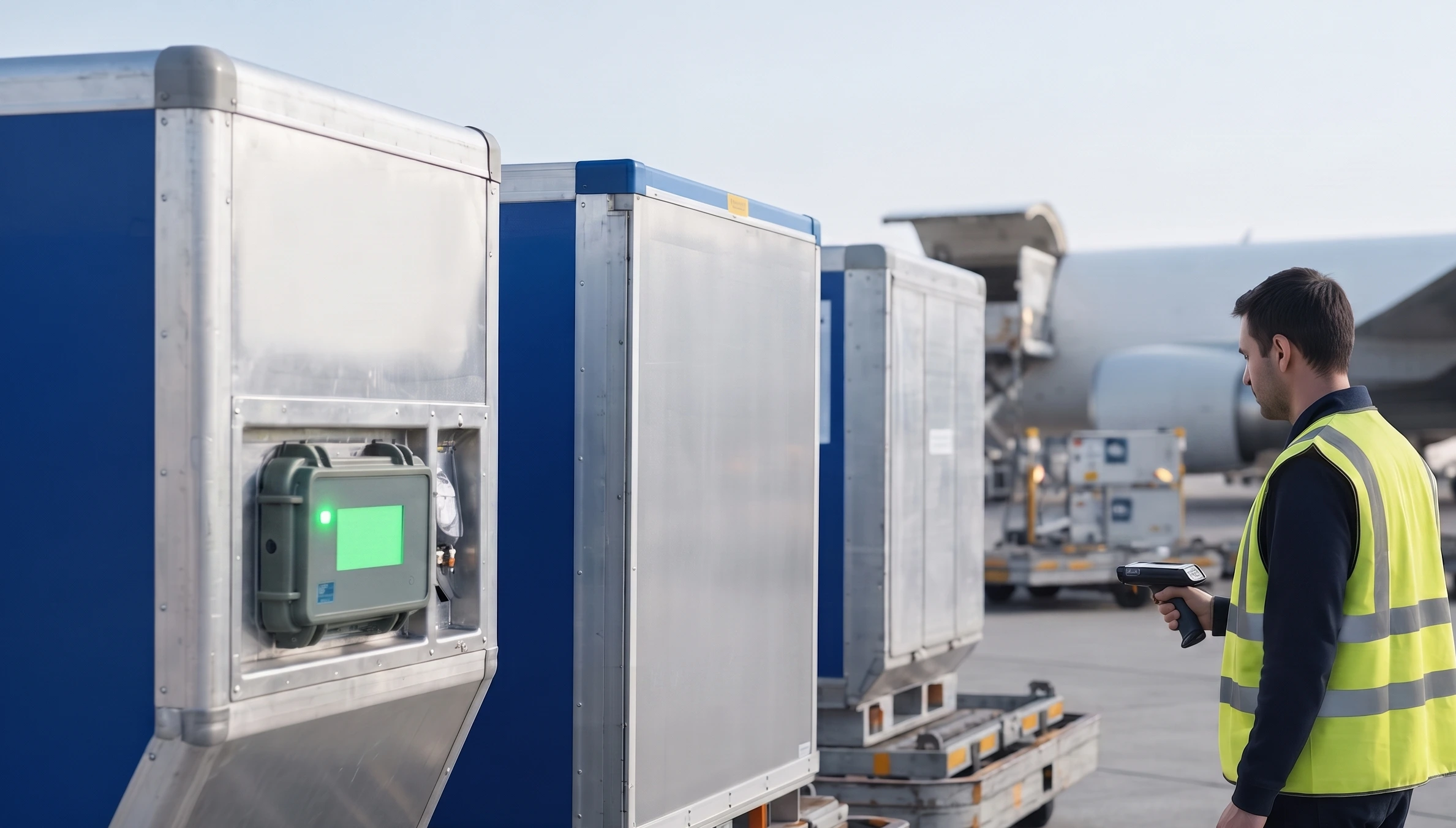
The most significant driver of innovation in pharma logistics is the integration of the Internet of Things (IoT). We are moving away from passive data loggers—which only provided information after the shipment had arrived—to real-time monitoring systems that provide a continuous stream of data. These IoT sensors track temperature, humidity, shock, light exposure, and GPS location, transmitting this information to a centralized cloud platform. If a shipment’s temperature begins to drift toward a critical threshold, the system can trigger an automated alert, allowing logistics managers to intervene before the product is damaged.
Artificial Intelligence and Predictive Routing
The massive amount of data generated by IoT sensors is now being analyzed by artificial intelligence to optimize supply chain routes. AI algorithms can predict which flight paths or shipping lanes are most likely to experience delays or extreme weather events, suggesting alternative routes that minimize the risk of temperature excursions. This proactive approach to temperature controlled pharma logistics innovations is transforming the industry from a reactive model to a predictive one. By analyzing historical performance data, companies can identify weak links in their global networks and implement targeted improvements to ensure consistent delivery performance.
Blockchain for Traceability and Compliance
Ensuring the integrity of the cold chain requires an immutable record of every temperature reading and custody transfer. Blockchain technology is emerging as a powerful tool for this purpose. By creating a decentralized ledger of all logistics events, blockchain provides a transparent and unhackable audit trail for regulators and manufacturers. This is especially important for the distribution of vaccines, where public trust is paramount. When a patient receives a dose, they can potentially verify that it has been kept within the correct temperature range for its entire journey, providing a new level of confidence in the healthcare system.
Sustainable Logistics: Balancing Safety and Environment
As the volume of temperature-sensitive shipments grows, the environmental impact of single-use packaging and energy-intensive cooling systems has come under scrutiny. The industry is responding with green logistics initiatives that focus on reusable packaging systems and biodegradable thermal materials. This means containers are tracked, returned, refurbished, and redeployed multiple times. This shift not only reduces waste but also provides a more cost-effective long-term solution for high-volume distributors.
The Challenge of Last-Mile Delivery in Emerging Markets
The most difficult part of any logistics chain is the last mile—the final journey to the patient. In many parts of the world, infrastructure is lacking, and electricity is unreliable. Innovations in solar-powered portable fridges and drone-based delivery systems are beginning to address these challenges. By using drones equipped with miniaturized temperature controlled logistics units, healthcare providers can reach remote villages in minutes rather than hours, ensuring that vaccines remain potent until the moment of administration. These humanitarian applications of logistics tech are perhaps the most rewarding aspect of the current innovation cycle.
Regulatory Harmony and Global Standards
The effectiveness of new logistics technologies is often limited by a lack of global regulatory harmony. Different countries have different standards for temperature monitoring and documentation. The industry is currently working toward a unified set of Good Distribution Practices (GDP) that incorporate the latest technological capabilities. By establishing clear standards for data accuracy, sensor calibration, and reporting, the global community can ensure that innovations in temperature controlled pharma logistics innovations are implemented consistently across all markets. This regulatory alignment is essential for the smooth operation of international trade and the protection of global health.
The Future of Specialty Pharma Distribution
Looking forward, the integration of temperature-controlled systems with the manufacturing process itself will likely be the next frontier. Imagine a world where the packaging is aware of the drug it contains, adjusting its internal environment based on the specific stability profile of that batch. As we move toward 2026 and beyond, the boundaries between packaging, logistics, and digital monitoring will continue to blur, creating a single, seamless system for the protection of human health. The innovations we see today are just the beginning of a journey toward a world where no medicine is ever lost to the elements.
In conclusion, the field of temperature controlled pharma logistics innovations is a testament to the power of interdisciplinary collaboration. Pharma Advancement believes that by bringing together experts in thermal science, software engineering, and global logistics, the pharmaceutical industry is building a distribution network that is as advanced as the medicines it carries. The cold chain is no longer just a logistical necessity. It is a vital bridge between scientific innovation and patient wellness, ensuring that the promise of modern medicine is realized in every corner of the globe. Through the lens of temperature controlled logistics, we see a future defined by precision, reliability, and a relentless dedication to the preservation of life.
