



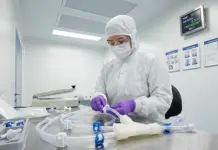
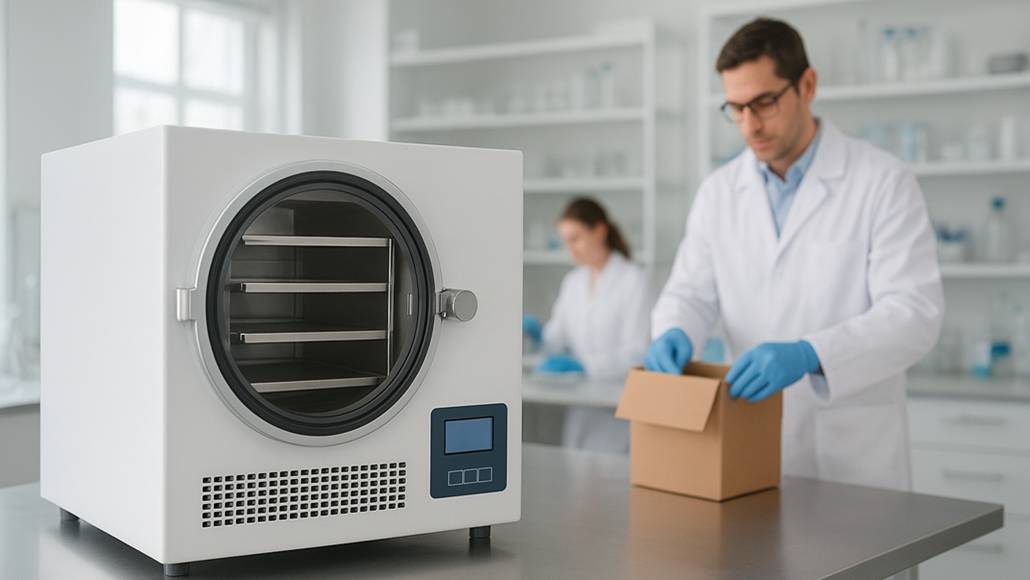
















In the world of biopharmaceutical manufacturing, the stakes could not be higher. A single micro-organism or a minute amount of cross-contamination can render a multi-million dollar batch useless and, more importantly, put patient lives at risk. As the industry increasingly adopts single-use technology, the focus on sterility control in disposable bioprocess assemblies has become the cornerstone of modern quality management systems. These assemblies, designed to provide a closed and pre-sterilized environment, offer a powerful solution for reducing operational risk. However, achieving absolute sterility requires a comprehensive understanding of material science, process engineering, and the complex regulatory landscape that governs the production of injectable medicines.
The Foundation of Aseptic Integrity in Single-Use Systems
The primary advantage of moving to disposable technology is the inherent reduction in the risk of contamination from the environment or previous batches. Unlike stainless steel systems that must be repeatedly cleaned and steamed, sterility control in disposable bioprocess assemblies begins at the manufacturer’s facility. These components are typically produced in ISO Class 7 or 8 cleanrooms and sterilized using validated gamma irradiation processes. This ensures that the manufacturer receives a “ready-to-use” system that is certified to have a Sterility Assurance Level (SAL) of 10^-6, meaning there is less than a one-in-a-million chance of a single viable organism being present. This foundational sterility is the starting point for a safe and effective bioprocess.
Mitigating the Risk of Cross-Contamination in Multi-Product Facilities
One of the most significant challenges in modern biopharma is the shift toward facilities that produce multiple different drugs. In a traditional plant, the risk of “carryover”—where traces of one drug remain in the equipment and contaminate the next batch—is a constant concern. Sterility control in disposable bioprocess assemblies effectively eliminates this risk by providing a completely new, dedicated fluid path for every run. Once a batch is complete, the entire assembly is discarded, ensuring that there is no possibility of cross-contamination. This “single-use” philosophy is particularly vital when dealing with highly potent compounds, viral vectors, or sensitive cell therapies where even a trace amount of a foreign substance can have catastrophic consequences.
Closed System Processing and Environmental Protection
A critical component of risk control is the ability to maintain a closed system, even when transferring fluids between different unit operations. Sterility control in disposable bioprocess assemblies is achieved through the use of specialized aseptic connectors and tube welding technologies. These devices allow operators to make secure, sterile connections in an unclassified environment without exposing the product to the air. This “closed processing” approach significantly reduces the reliance on high-grade cleanroom environments (such as Grade A or B), which are expensive to maintain and prone to human-induced contamination. By keeping the product within a protected plastic envelope at all times, manufacturers can operate with a much higher level of confidence and safety.
Quality Management and Regulatory Compliance (GMP)
Maintaining sterility is not just a technical challenge; it is a regulatory requirement. Every aspect of sterility control in disposable bioprocess assemblies must be documented and validated to meet Good Manufacturing Practice (GMP) standards. This includes verifying the integrity of the packaging, ensuring the effectiveness of the sterilization process, and conducting thorough testing for extractables and leachables. Regulatory agencies such as the FDA and EMA expect manufacturers to have a deep understanding of their single-use systems and to be able to prove that they are “fit for purpose.” This requires a collaborative effort between the drug manufacturer and the assembly supplier to ensure that all necessary validation data is available and accurate.
Addressing the Challenges of Extractables and Leachables
A unique risk associated with plastic assemblies is the potential for chemicals from the plastic to migrate into the drug product. These are known as extractables (compounds that can be pulled out under aggressive conditions) and leachables (compounds that migrate under normal process conditions). Effective sterility control in disposable bioprocess assemblies must include a rigorous assessment of these substances. Modern single-use films are engineered to be extremely stable, but manufacturers must still conduct risk assessments based on the contact time, temperature, and chemical nature of the process fluids. By choosing materials with well-characterized profiles and low toxicity, companies can ensure that their products remain pure and safe for the patient.
Integrity Testing and Leak Detection at the Point of Use
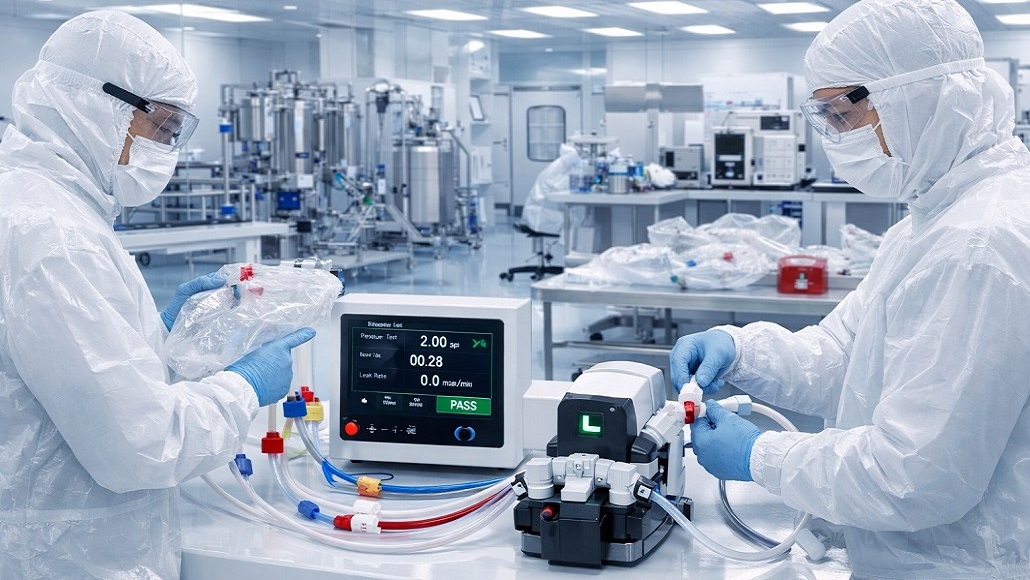
While assemblies are sterilized at the factory, they can still be damaged during shipping or installation. A key element of sterility control in disposable bioprocess assemblies is the implementation of point-of-use integrity testing. Just as a filter must be tested for integrity, many manufacturers are now performing pressure decay or mass extraction tests on their bag assemblies before they are filled with high-value product. These tests can detect minute holes or weak seals that could compromise the sterility of the batch. The development of automated integrity testing systems is making this process faster and more reliable, providing an extra layer of protection against accidental contamination events.
Human Factors and Training in Aseptic Management
Even the most advanced technology can be compromised by human error. The way an operator handles a sterile assembly is just as important as the design of the assembly itself. Sterility control in disposable bioprocess assemblies requires a well-trained workforce that understands the principles of aseptic technique and the specific requirements of single-use systems. This includes knowing how to properly unpack an assembly, how to make connections without introducing contamination, and how to recognize signs of damage or compromise. Comprehensive training programs, often developed in partnership with equipment suppliers, are essential for maintaining a culture of quality and safety on the production floor.
The Role of Design in Reducing Operational Risk
Good design is a powerful tool for risk mitigation. Designers of next-generation systems are focusing on “Poka-Yoke” (error-proofing) features that make it difficult for an operator to make a mistake. This includes the use of genderless connectors that can’t be plugged in backward, color-coded tubing to prevent incorrect routing, and integrated sensors that can automatically detect if a connection is not secure. By building sterility control in disposable bioprocess assemblies directly into the hardware, manufacturers can reduce their reliance on manual checks and interventions, further lowering the overall risk profile of the process.
Managing the Supply Chain for Critical Sterile Components
The industry’s reliance on single-use technology has created a new type of risk: supply chain vulnerability. If a critical sterile assembly is unavailable, production can grind to a halt. Ensuring continuous sterility control in disposable bioprocess assemblies requires a robust supply chain management strategy. This involves qualifying multiple suppliers, maintaining strategic safety stocks, and working closely with vendors to ensure that their quality management systems meet the necessary standards. Many pharmaceutical companies are now conducting audits of their single-use suppliers to ensure that the same level of care and attention to detail is applied to the manufacturing of the plastic assemblies as is applied to the drug itself.
Future Trends: Real-Time Sterility Monitoring
Looking to the future, the next major breakthrough in this field will be the development of real-time sterility monitoring. Current methods for detecting contamination are often “after the fact,” meaning the batch is already ruined by the time a problem is identified. Researchers are exploring the use of advanced sensors and molecular techniques that can detect the presence of microbial DNA or metabolic byproducts directly within the fluid path. Integrating these technologies into sterility control in disposable bioprocess assemblies would allow for immediate intervention, potentially saving a batch from failure and providing an even higher level of assurance to patients and regulators alike.
Conclusion
The shift toward disposable technology has brought many benefits to biomanufacturing, but it has also placed a new emphasis on the importance of sterile integrity. Sterility control in disposable bioprocess assemblies is a multi-faceted discipline that combines engineering excellence, material science, and rigorous quality management. By prioritizing these factors, manufacturers can navigate the complexities of modern drug production with confidence, knowing that they are protecting their products and, most importantly, the patients who depend on them. As the industry continues to innovate, the tools and techniques for managing sterility and risk will only become more sophisticated, further solidifying the role of single-use technology as the gold standard for safe and efficient bioprocessing.
