


















The landscape of biopharmaceutical production has undergone a radical transformation over the past two decades, transitioning from rigid, capital-intensive stainless steel facilities to highly adaptable, modular environments. At the heart of this evolution is the implementation of single-use bag manifolds in bioprocess operations, a technology that has redefined how fluids are managed, transferred, and stored during the complex lifecycle of drug manufacturing. By eliminating the need for extensive clean-in-place (CIP) and steam-in-place (SIP) procedures, these manifolds provide a level of operational efficiency that was previously unattainable, allowing manufacturers to focus on their core mission of delivering life-saving therapies to patients with unprecedented speed and safety.
The Architectural Shift Toward Flexibility and Sterility
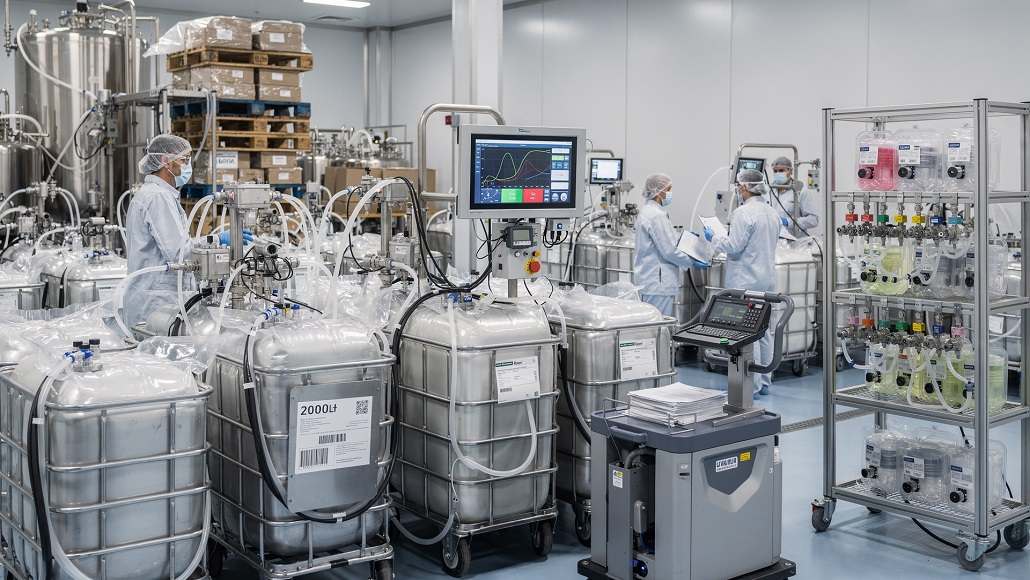
For years, the industry was tethered to fixed piping and large-scale bioreactors that required weeks of validation and cleaning between batches. The introduction of single-use bag manifolds in bioprocess operations broke these chains by offering a pre-sterilized, disposable alternative that ensures a closed system environment. These assemblies typically consist of multi-layered plastic bags integrated with specialized tubing, connectors, and filters, all designed to maintain the highest levels of purity. When a manufacturer utilizes these systems, they effectively mitigate the risk of cross-contamination, a critical factor when dealing with multi-product facilities that handle various biological agents or viral vectors.
Mechanics of Fluid Handling in Disposable Systems
The design of a modern manifold is a feat of engineering that balances material science with fluid dynamics. Unlike rigid steel pipes, flexible tubing allows for intricate routing within the cleanroom, optimizing space and reducing the footprint of the manufacturing suite. Within these systems, the use of single-use bag manifolds in bioprocess operations facilitates the seamless movement of media, buffers, and intermediate products through various stages of upstream and downstream processing. The integrity of these transfers is maintained through aseptic connectors that allow operators to make secure links without exposing the product to the ambient environment. This level of control is essential for maintaining the sterility required by global regulatory bodies such as the FDA and EMA.
Overcoming the Validation Hurdle with Pre-Sterilized Assemblies
One of the most significant burdens in traditional biomanufacturing is the extensive documentation and testing required to prove that a stainless steel system is truly clean. By shifting to single-use bag manifolds in bioprocess operations, companies can leverage the validation work performed by the equipment supplier. Most of these components come gamma-irradiated and accompanied by comprehensive extractable and leachable data, which streamlines the regulatory filing process. Instead of spending months on cleaning validation, engineers can focus on process optimization and yield improvement, significantly shortening the time to market for new biologics.
Economic Implications of Single-Use Integration
From a financial perspective, the move toward disposable technology is driven by a desire to reduce capital expenditure and increase return on investment. Building a traditional stainless steel plant requires a massive upfront commitment and years of construction and commissioning. In contrast, a facility designed around single-use bag manifolds in bioprocess operations can be brought online in a fraction of the time. The modular nature of these systems allows for a “build-as-you-grow” strategy, where capacity is added incrementally as clinical trials progress and market demand becomes clearer. This agility is particularly valuable for small to mid-sized biotech firms that must manage their cash flow while navigating the high-risk environment of drug development.
Impact on Operational Expenditure and Labor Costs
While the recurring cost of purchasing disposable components is higher than maintaining steel equipment, the overall operational savings are substantial. The reduction in water-for-injection usage, electricity for steam generation, and the labor required for teardown and cleaning creates a more sustainable business model. Furthermore, the simplicity of using single-use bag manifolds in bioprocess operations reduces the likelihood of operator error during complex setup procedures. When the process is finished, the entire assembly is simply bagged and disposed of, eliminating the risk of residual product being carried over to the next run. This simplicity translates into a more reliable supply chain and higher overall equipment effectiveness across the production floor.
Scalability and Process Consistency Across Different Volumes
A critical aspect of single-use technology is its ability to scale seamlessly from benchtop research to commercial production. Developers can use small-scale single-use bag manifolds in bioprocess operations during the initial phases of drug discovery, knowing that the materials and fluid dynamics will remain consistent as they move to larger volumes. This consistency is vital for maintaining the “process is the product” principle in biologics, where even minor changes in the manufacturing environment can affect the final protein structure. By using identical materials and manifold designs across all scales, manufacturers can reduce the number of bridge studies required by regulators, further accelerating the path to commercialization.
Material Science and the Integrity of Plastic Components
The success of single-use bag manifolds in bioprocess operations is deeply rooted in the advancement of polymer science. Modern manifolds are constructed from specialized multi-layer films that offer a balance of strength, flexibility, and gas permeability. The inner layer, which comes into direct contact with the biological product, is typically made of medical-grade polyethylene or similar inert materials to ensure that no harmful substances leach into the drug substance. The outer layers provide mechanical strength and act as a barrier against oxygen and carbon dioxide, which is essential for maintaining the pH and stability of sensitive cell culture media.
Addressing the Challenges of Extractables and Leachables
Despite the advantages, the use of plastics introduces the challenge of extractables and leachables (E&L). Regulatory agencies require a thorough assessment of any potential migration of chemical components from the plastic into the drug product. To address this, providers of single-use bag manifolds in bioprocess operations conduct extensive testing under “worst-case” conditions to identify any possible contaminants. This data is then used by pharmaceutical manufacturers to conduct toxicological risk assessments. The transparency and depth of this data have improved significantly in recent years, allowing for a much higher level of confidence in the safety of disposable systems for even the most sensitive injectable therapies.
Regulatory Landscape and GMP Compliance
As single-use technology matures, the regulatory landscape has evolved to provide clearer guidance on its implementation. Organizations such as the Bio-Process Systems Alliance (BPSA) and the Parenteral Drug Association (PDA) have published industry standards that help manufacturers navigate the complexities of sterility assurance and validation. For single-use bag manifolds in bioprocess operations, adherence to Good Manufacturing Practices (GMP) is paramount. This includes ensuring that the assemblies are manufactured in controlled environments, properly labeled for traceability, and shipped in robust packaging to prevent damage. Manufacturers must also have a clear strategy for managing their suppliers, ensuring that any changes in the plastic resin or manufacturing process are properly communicated and validated.
The Role of Integrity Testing at the Point of Use
Even with a perfectly manufactured manifold, the risk of damage during shipping or installation cannot be ignored. To mitigate this risk, many facilities are now implementing point-of-use integrity testing for their single-use bag manifolds in bioprocess operations. Using pressure decay or mass extraction methods, operators can verify that an assembly is leak-free before it is integrated into the production line. This extra step provides a critical safety net, preventing the loss of high-value product due to a minor puncture or a weak seal. As automation in these testing systems increases, it is becoming a standard part of the standard operating procedures in many high-end biopharma facilities.
Sustainability and Future Directions in Fluid Management
As the industry matures, the focus is shifting toward the environmental impact of disposable technologies. While it may seem counterintuitive that plastic waste is more sustainable than reusable steel, several life cycle assessments (LCAs) have shown that the energy and water savings associated with single-use bag manifolds in bioprocess operations often outweigh the waste disposal concerns. Innovations in recycling programs and the development of bio-based plastics are further addressing these challenges. Looking ahead, the integration of smart sensors and automation within these manifolds will provide real-time data on flow rates, pressure, and pH, further enhancing the precision of bioprocessing and paving the way for the next generation of personalized medicine and cell therapies.
The Integration of Smart Sensors and Digital Connectivity
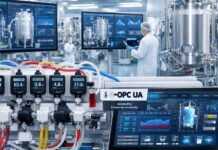
The future of single-use technology lies in its ability to “talk” to the rest of the facility. Next-generation single-use bag manifolds in bioprocess operations are being designed with integrated, single-use sensors that provide a continuous stream of data to the plant’s centralized control system. This digital connectivity allows for more precise control over the manufacturing process, enabling real-time adjustments that can improve yield and quality. For example, a sensor within a manifold could detect a slight change in the conductivity of a buffer, allowing the system to automatically adjust the mixing ratio before the batch is affected. This level of intelligence is transforming bioprocessing from a manual, batch-based endeavor into a sophisticated, data-driven science.
Conclusion
The integration of single-use bag manifolds in bioprocess operations is no longer just a trend; it is a fundamental pillar of modern biomanufacturing. By prioritizing flexibility, sterility, and economic efficiency, these systems enable the industry to respond to global health crises and the growing demand for complex biologics. As material science continues to advance and the industry’s digital infrastructure matures, we can expect these manifolds to become even more robust and intelligent. They will remain the backbone of the biopharmaceutical factory of the future, ensuring that the next generation of life-saving medicines can be produced safely, reliably, and sustainably.
