Close
ACHEMA MIDDLE EAST 2026

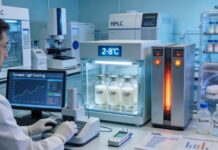
Continuous Manufacturing Transforming Drug Production 2026

The shift toward uninterrupted processing represents a fundamental change in the way medications are brought to life. By removing the boundaries between production stages and implementing real-time analytical controls, the industry is achieving a level of consistency and throughput that was previously thought impossible in a highly regulated environment.

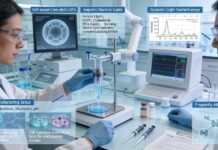
Driving Digital Transformation in Pharma Operations 2026

Modernizing the operational core of the pharmaceutical sector requires more than just new software; it demands a cultural shift toward data-driven excellence. By connecting laboratory insights with global manufacturing workflows through intelligent digital systems, organizations can ensure the highest levels of safety and efficiency in a rapidly changing market.

Innovating Bioprocesses for Modular Pharma Facilities

The landscape of biologics production is being reshaped by the integration of flexible, pre-fabricated manufacturing units. By combining cutting-edge single-use technologies with highly adaptable facility designs, the industry is achieving unprecedented speed and scalability in delivering complex therapies to patients across the globe.

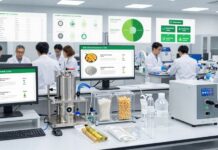
Sustainable Manufacturing Strategies Shaping Pharma Future

The commitment to ecological stewardship is redefining the standards of excellence in drug production. By focusing on resource efficiency, carbon reduction, and waste minimization, the pharmaceutical sector is ensuring that the pursuit of human health does not come at the expense of the planet's long-term environmental stability.

Future of Advanced Pharma Manufacturing Technologies 2026

The rapid evolution of the pharmaceutical landscape is being driven by the integration of cognitive automation and real-time data ecosystems. By 2026, the global standard for excellence will depend on the successful deployment of interconnected systems that harmonize biological science with digital precision, ensuring that medication production becomes more resilient, transparent, and patient-centered than ever before.

Supply Chain Considerations for Single-Use Bioprocess Systems

Navigating the complexities of the single-use bioprocess systems supply chain requires a proactive approach to risk management and supplier collaboration. As the biopharmaceutical industry grows increasingly dependent on disposable technologies, establishing resilience through multi-sourcing, rigorous quality audits, and strategic inventory management is essential for maintaining manufacturing continuity and patient safety.

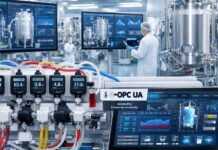
Automation Readiness of Single-Use Fluid Handling Platforms

The convergence of disposable technology and digital control is redefining the standards of modern biomanufacturing. Automation readiness of single-use fluid handling platforms allows for the seamless integration of sensors and actuators into a centralized control environment, providing manufacturers with the precision, data transparency, and reproducibility needed to scale complex biological processes with absolute confidence.

Subscribe Our Newsletter

White Papers

The Future of Digital Health

The pharmaceutical industry is acutely aware that the future of health and care, particularly in the United States, are trending toward a digital revolution....

Five Best Practices to Deliver Exceptional Multichannel Experiences

A one-size-fits-all customer journey no longer works. In the age of the consumer, the quality of the interaction is paramount. In this paper, we...

The Impact and Use of Social Media in Pharmacovigilance

Social media presents new channels and methods for biopharmaceutical companies to move away from traditional pharmacovigilance (PV) systems and safety reporting methods towards more...