























The global biopharmaceutical industry has reached a pivotal juncture where the reliance on disposable technology is no longer a peripheral strategy but a core operational requirement. This transition has shifted the burden of infrastructure from the facility owner to the provider of single-use components. Consequently, the single-use bioprocess systems supply chain has become a critical focal point for manufacturers who must ensure that their production lines never stop. Managing this complex web of raw material suppliers, specialized manufacturers, and sterilization providers requires a high degree of sophistication and foresight, particularly as the industry faces increasing pressure to reduce costs while maintaining the highest standards of quality and patient safety.
The Strategic Importance of Resilience and Continuity
In the context of modern biomanufacturing, a disruption in the single-use bioprocess systems supply chain can have far-reaching consequences, ranging from delayed clinical trials to life-threatening drug shortages. Unlike stainless steel facilities, where the equipment is a permanent asset, single-use facilities require a constant inflow of sterile components. This just-in-time dependency means that any delay in the production of a specific manifold, bag, or filter can halt an entire manufacturing suite. To mitigate this, leading pharmaceutical companies are moving away from single-source relationships and toward a more resilient multi-vendor strategy. By qualifying multiple suppliers for critical components, manufacturers can protect themselves against localized disruptions, whether they stem from natural disasters, geopolitical instability, or technical failures at a supplier’s site.
Navigating Raw Material Availability and Polymer Purity
The foundation of the single-use bioprocess systems supply chain rests on the availability of high-purity polymers. Most single-use bags and manifolds are constructed from specialized polyethylene or polypropylene resins that must meet strict medical-grade certifications. Any fluctuation in the global plastics market or a change in the resin formulation can have a ripple effect across the entire bioprocess sector. Proactive supply chain managers are now working deeper into the sub-tiers of their supply base, establishing direct communication with resin manufacturers to ensure long-term availability and consistency. This level of visibility is essential for ensuring that the chemical and physical properties of the disposable components remain identical over time, which is a fundamental requirement for maintaining process validation and regulatory compliance.
The Critical Role of Sterilization Capacity and Logistics
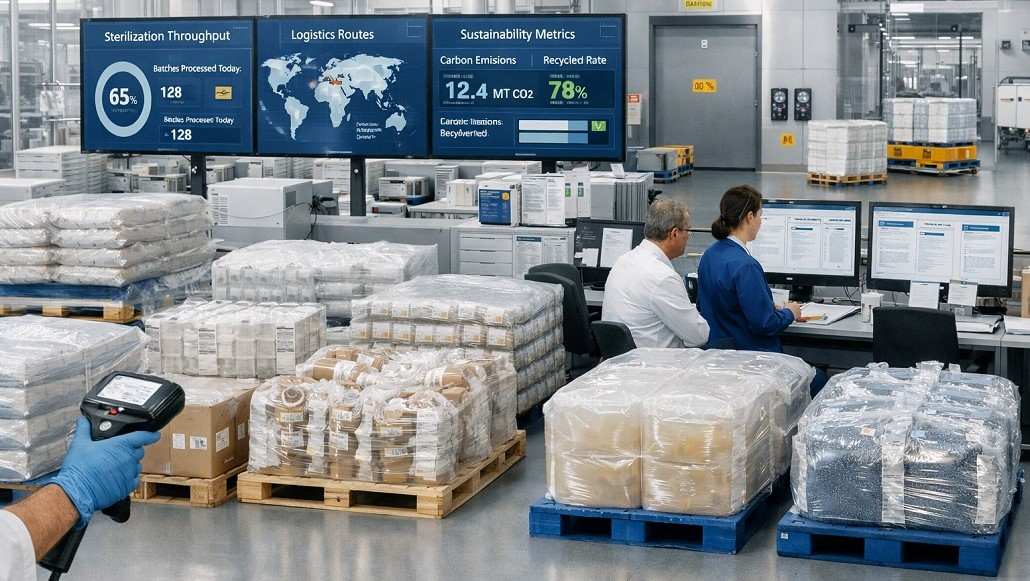
Sterility is a non-negotiable attribute of any disposable bioprocess assembly. The single-use bioprocess systems supply chain is heavily dependent on a limited number of specialized facilities capable of performing large-scale gamma irradiation. As the demand for single-use technology grows, these sterilization sites have become potential bottlenecks. Strategic planning must account for the logistics of moving assemblies from the cleanroom manufacturing site to the irradiation center and then to the final destination. Any delay in this process can significantly extend lead times. Some large-scale suppliers are responding to this challenge by building their own sterilization facilities or entering into long-term capacity agreements with third-party providers, ensuring that their customers’ orders are processed without delay.
Quality Assurance and Supplier Qualification Standards
In a disposable-centric world, the supplier is essentially an extension of the manufacturer’s own quality system. Therefore, the single-use bioprocess systems supply chain must be governed by rigorous qualification and auditing processes. It is not enough to simply review a certificate of analysis; manufacturers must conduct deep-dive audits of the supplier’s manufacturing environment, quality management systems, and personnel training programs. This oversight ensures that every component is produced in a consistent, controlled manner that meets the exacting requirements of Good Manufacturing Practices (GMP). The development of standardized data packages, such as the consensus standards provided by the Bio-Process Systems Alliance (BPSA), has helped streamline this process, allowing for more efficient communication of quality data between suppliers and end-users.
Managing Change and Regulatory Notification Protocols
One of the most complex aspects of managing the single-use bioprocess systems supply chain is the handling of changes. A minor modification in a manufacturing process, a change in a raw material source, or even a relocation of a production line can have a major impact on the final product’s performance. Robust supply chain agreements must include clear protocols for change notification, giving the pharmaceutical manufacturer sufficient time to evaluate the impact of the change and conduct any necessary re-validation work. This level of transparency is vital for maintaining the “validated state” of the process and ensuring that the final drug product remains safe and effective throughout its entire lifecycle.
The Shift Toward Standardized and Interoperable Components
To improve the agility of the single-use bioprocess systems supply chain, there is a growing push for greater standardization across the industry. While customization allows for optimized fluid paths, it also creates a supply chain that is highly fragmented and difficult to manage. By adopting standardized designs for common components like tubing sets, buffer bags, and connectors, manufacturers can simplify their inventory and improve their bargaining power with suppliers. Furthermore, standardization facilitates interoperability, where components from different vendors can be used interchangeably. This “plug-and-play” capability is a powerful tool for enhancing supply chain resilience, as it allows manufacturers to pivot to an alternative source of supply without having to redesign their entire process.
Digitalization and Visibility in Modern Supply Chain Management
The next evolution of the single-use bioprocess systems supply chain is the integration of digital tools that provide real-time visibility into the movement of goods. Technologies such as RFID tracking and cloud-based supply chain platforms allow both suppliers and manufacturers to monitor inventory levels, track the status of orders, and identify potential delays before they become critical issues. This data-driven approach enables more accurate forecasting and demand planning, reducing the need for massive safety stocks and improving the overall efficiency of the operation. As the industry moves toward “Industry 4.0,” the ability to create a digital twin of the supply chain will allow for more sophisticated risk modeling and scenario planning, further hardening the production process against external shocks.
Addressing the Environmental and Ethical Impact of Procurement
As sustainability becomes a top priority for the life sciences sector, supply chain considerations are expanding to include the environmental and ethical footprint of single-use components. The single-use bioprocess systems supply chain is being scrutinized for its carbon emissions, water usage, and waste generation. Leading organizations are now prioritizing suppliers who demonstrate a commitment to green manufacturing and circular economy principles. This includes initiatives like using renewable energy in production, implementing recycling programs for plastic waste, and ensuring fair labor practices throughout the global supply base. Integrating these sustainability metrics into the procurement process is not only an ethical imperative but also a strategic move to future-proof the supply chain against evolving environmental regulations.
Conclusion
The success of modern biomanufacturing is inextricably linked to the strength and reliability of the single-use bioprocess systems supply chain. As the industry continues to innovate, the focus must remain on building a supply base that is not only efficient but also resilient, transparent, and sustainable. By embracing multi-sourcing, rigorous quality oversight, and digital visibility, manufacturers can navigate the complexities of the global market and ensure a steady supply of life-saving medicines to patients. The lessons learned in recent years have highlighted the importance of collaboration and foresight, and as we move forward, these principles will continue to define the standard of excellence in biopharmaceutical operations. 1
