






























The landscape of pharmaceutical distribution is undergoing a profound metamorphosis, driven by the rapid adoption of sophisticated digital tools and automated systems. Traditionally, the movement of medical supplies was governed by manual processes and a heavy reliance on historical data, which often struggled to keep pace with the complexities of modern drug portfolios. Today, the concept of digital transformation pharma logistics has emerged as the cornerstone of operational excellence, offering a roadmap for companies to transition from reactive distribution models to highly agile, data-empowered networks. This shift is not merely about replacing paper with screens; it is about fundamentally reimagining how value is created and protected throughout the pharmaceutical lifecycle, ensuring that the increasing demands of personalized medicine and global health are met with unwavering precision.
Building the Foundation of a Digital Supply Chain
The transition to a digital supply chain begins with the integration of disparate data sources into a single, cohesive ecosystem. In many legacy systems, information regarding manufacturing schedules, inventory levels, and shipping status was trapped in isolated silos, making it nearly impossible to gain a comprehensive understanding of the network’s health. By adopting cloud-based platforms and Internet of Things (IoT) sensors, organizations can now achieve a level of transparency that was previously unimaginable. Every pallet, and in some cases every individual package, can be monitored in real-time, providing a continuous stream of data that informs everything from demand planning to regulatory compliance. This connectivity ensures that pharma logistics is no longer a “black box” but a transparent pipeline where problems are identified and resolved before they escalate.
Beyond mere tracking, a digital supply chain facilitates a much higher degree of collaboration between different nodes of the network. When manufacturers, logistics providers, and healthcare facilities are all connected to the same digital backbone, they can share real-time updates on inventory consumption and shipment progress. This synchronization reduces the “bullwhip effect,” where small fluctuations in demand at the pharmacy level lead to massive swings in production orders at the factory. By smoothing out these variations, companies can operate with lower inventory buffers while still maintaining high service levels. This increased efficiency is particularly vital in an era where drug prices are under intense scrutiny and the margin for logistical waste is thinner than ever before.
The Role of Logistics Automation in Modern Distribution
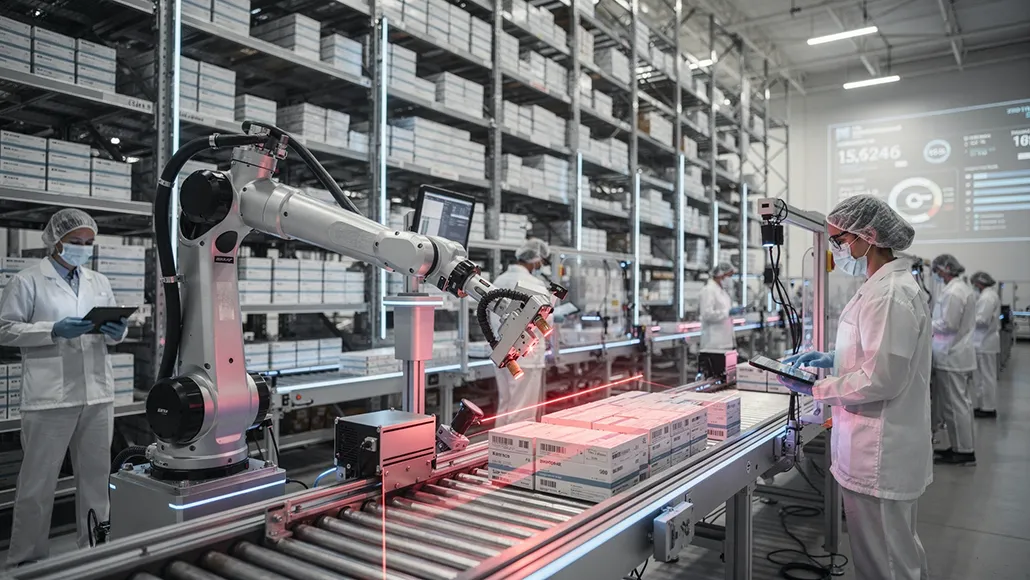
One of the most visible aspects of this transformation is the rise of logistics automation within the warehouse and distribution centers. Automated Storage and Retrieval Systems (ASRS), alongside collaborative robots, are increasing the speed and accuracy of order fulfillment while reducing the physical strain on human workers. These systems are particularly valuable in the pharmaceutical sector, where the margin for error is non-existent. Automation ensures that the right product is picked, verified, and packed with surgical precision, minimizing the risk of mislabeling or shipping the wrong dosage. Furthermore, automated systems can operate in specialized environments, such as deep-freeze storage units, without the safety risks associated with human labor in extreme temperatures.
Furthermore, automation is being applied to the increasingly complex task of kitting and serialization. As global regulations mandate more granular tracking of individual units, the ability to automatically scan and record the unique identifier of every package becomes essential. Automated systems can integrate this data directly into the regulatory reporting workflow, ensuring that compliance is achieved without slowing down the physical flow of goods. In the context of “personalized medicine,” where treatments are often tailored to the genetic profile of a single patient, the precision of automated kitting ensures that there is no risk of cross-contamination or delivery errors. This level of individualized logistics is only possible through the seamless integration of physical automation and digital control systems.
Leveraging AI in Pharma for Predictive Intelligence
While automation handles the physical movement of goods, AI in pharma is providing the cognitive power needed to manage increasingly complex networks. Artificial intelligence and machine learning algorithms are being deployed to analyze vast datasets, identifying subtle patterns that human planners might miss. In the context of logistics, this means moving beyond simple tracking to predictive intelligence. AI can forecast potential delays caused by everything from labor strikes at international airports to seasonal flu outbreaks that might surge demand in specific regions. By anticipating these events, logistics providers can adjust their strategies in advance, securing cargo space or repositioning inventory to ensure that patient care remains uninterrupted.
The application of AI also extends to the optimization of global trade and customs compliance. Artificial intelligence can analyze the complex and ever-changing landscape of international trade regulations, suggesting the most compliant and cost-effective routes for cross-border shipments. By automatically classifying products and identifying the necessary documentation, AI reduces the likelihood of shipments being held up at customs a common bottleneck in global pharma logistics. Additionally, AI-driven “control towers” provide a centralized view of the entire global network, allowing managers to see not just where their products are, but how the overall system is performing against its KPIs. This high-level visibility, combined with granular predictive insights, empowers leaders to make decisions that are both strategic and timely.
Transitioning to Data Driven Logistics for Precision Delivery
The move toward data driven logistics is perhaps the most significant cultural shift in the industry. It requires organizations to move away from “gut feeling” decision-making and toward a culture where every action is backed by empirical evidence. This precision is especially vital in the last-mile delivery phase, which is often the most expensive and complex part of the journey. By utilizing advanced routing software that considers real-time traffic, temperature fluctuations, and delivery window constraints, companies can optimize their delivery paths to be both faster and more cost-effective. Moreover, data analytics can provide insights into courier performance, allowing pharma companies to select the most reliable partners for their most critical shipments.
Data-driven logistics also enables a new level of responsiveness to patient needs. For example, in the case of home delivery for chronic conditions, data can be used to predict when a patient is likely to run out of their medication, triggering an automated refill and shipment process. This “proactive replenishment” improves patient adherence to therapy and reduces the administrative burden on both the patient and the healthcare provider. Furthermore, by analyzing return data and delivery failures, companies can identify systemic issues in their distribution network and take corrective action. This continuous loop of data collection, analysis, and improvement is the hallmark of a mature digital logistics operation, ensuring that the system is always evolving to meet the challenges of the future.
Integrating Digital Tools into Pharma Operations
For these technological advancements to be truly effective, they must be deeply integrated into the broader pharma operations of the company. Digital transformation is not a standalone project but a thread that should run through every department, from R&D to commercial sales. When logistics data is shared with manufacturing teams, production can be adjusted based on real-time inventory levels at various distribution hubs, preventing both overstocking and stockouts. Similarly, when sales teams have access to logistics timelines, they can provide more accurate delivery estimates to hospitals and pharmacies, improving the overall customer experience. This cross-functional transparency fosters a more resilient and responsive organization.
The successful integration of digital tools also requires a focus on cybersecurity and data integrity. As the logistics network becomes more connected, it also becomes a more attractive target for cyberattacks. Protecting the data that governs the movement of life-saving medicines is a paramount concern. This involves not only technical safeguards but also the implementation of strict data governance policies. Ensuring that the digital record of a product’s journey is immutable and secure is essential for maintaining regulatory compliance and patient trust. In this new digital era, the strength of the logistics network is determined as much by its digital defenses as by its physical infrastructure.
The future of pharmaceutical logistics is undeniably digital, but the journey toward full transformation requires careful planning and a commitment to continuous improvement. Organizations must invest not only in technology but also in the talent needed to manage these systems. The successful logistics leaders of the future will be those who can blend the art of pharmaceutical science with the science of digital data, creating a distribution network that is as innovative as the medicines it carries. By embracing this evolution, the industry can ensure that the next generation of therapies reaches those who need them most, with a level of reliability that honors the life-saving nature of the products themselves. The convergence of digital intelligence and physical logistics is setting the stage for a new standard of healthcare excellence.
