



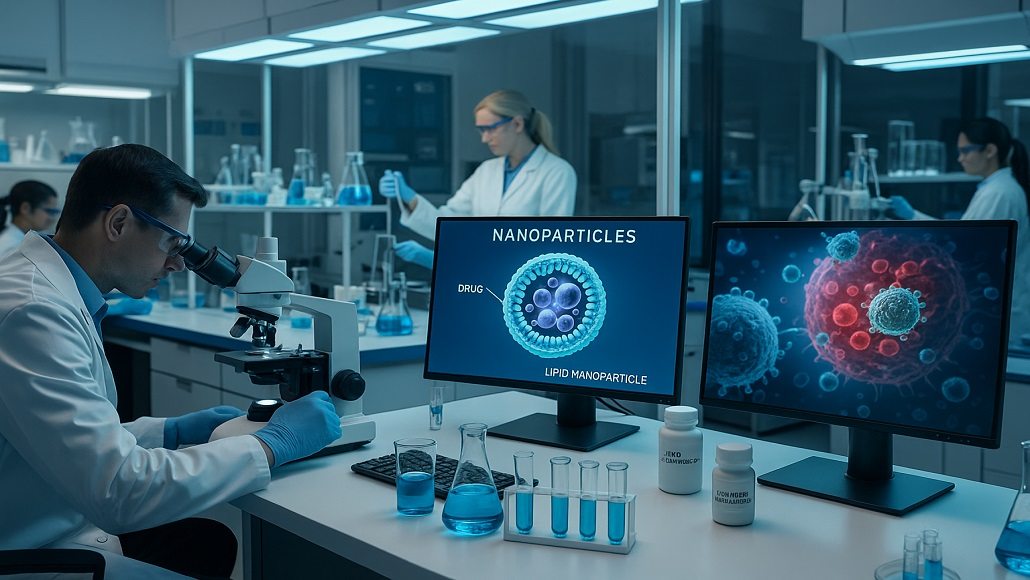









The ability to rapidly design and deploy new therapies is the hallmark of the modern biotechnological era. However, the true measure of impact lies in the ability to produce these therapies at a scale that can serve millions, or even billions, of people. At the heart of this capability is the integration of advanced delivery technologies with robust industrial processes. Specifically, scalable mRNA manufacturing enabled by LNP platforms has emerged as the definitive solution for the mass production of genetic medicines. By decoupling the design of the mRNA sequence from the complexity of its delivery vehicle, these platforms allow for a standardized manufacturing workflow that can be applied to a wide range of therapeutic targets, from infectious disease vaccines to oncology treatments.
The core advantage of using a platform-based approach is the predictability it brings to the manufacturing process. In the past, each new drug required a bespoke delivery system, necessitating years of process development and validation. Today, scalable mRNA manufacturing enabled by LNP platforms leverages a “plug-and-play” model where the same lipid components and mixing parameters can be used for different mRNA payloads. This standardization significantly reduces the time required for scale-up, as the behavior of the nanoparticles is already well-understood from previous iterations. This efficiency was most notably demonstrated during the rapid global rollout of COVID-19 vaccines, where the use of established LNP platforms allowed for the production of billions of doses in record time.
Bridging the Gap Between Research and Commercial Scale Up
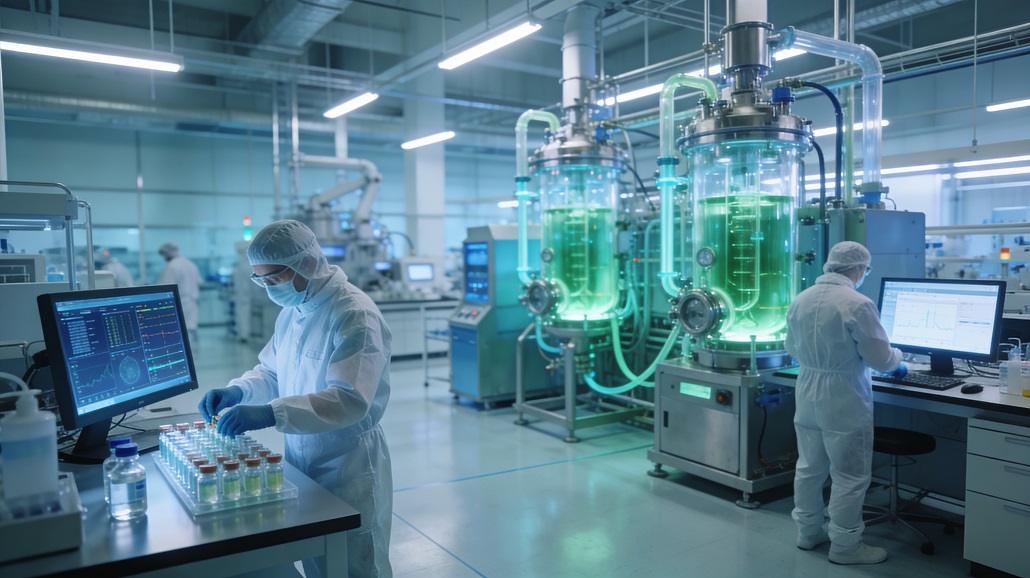
Transitioning from a laboratory setting to an industrial environment presents a unique set of engineering challenges. In the lab, small batches can be produced using manual pipetting or simple micro-mixers, but these methods do not translate to the volumes required for a global market. Scalable mRNA manufacturing enabled by LNP platforms addresses this by utilizing continuous flow manufacturing technologies. Unlike batch processes, which are limited by the size of the reaction vessel, continuous flow systems can operate indefinitely, producing a consistent stream of drug product. This approach not only increases throughput but also enhances product quality by ensuring that every milliliter of the formulation is subjected to the exact same conditions during the critical mixing phase.
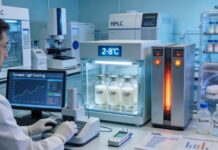
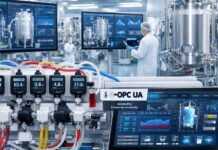
Another critical aspect of commercial scale up is the management of raw material supply chains. A platform-based approach allows manufacturers to secure large quantities of high-purity lipids and other essential components in advance. By using a consistent set of materials across multiple products, companies can achieve economies of scale and reduce the risk of supply chain disruptions. Furthermore, scalable mRNA manufacturing enabled by LNP platforms facilitates the implementation of automated quality control systems. In-line sensors can monitor parameters such as temperature, pressure, and flow rates in real-time, providing an immediate indication of any process deviations. This level of oversight is essential for maintaining the high standards of purity and potency required for pharmaceutical products.
Optimizing mRNA Synthesis and Capping at Scale
While much of the focus is on the LNP delivery vehicle, the production of the mRNA cargo itself must also be scaled effectively. In vitro transcription (IVT) is the primary method for synthesizing mRNA, but doing so at a commercial scale requires precise control over enzymatic reactions and nucleotide concentrations. Scalable mRNA manufacturing enabled by LNP platforms integrates the mRNA synthesis step with the formulation phase to create a seamless production line. This includes the use of optimized capping technologies, such as CleanCap, which ensure that the mRNA is properly recognized by the host cell’s translation machinery.
Ensuring high purity during mRNA synthesis is also critical. Contaminants such as double-stranded RNA (dsRNA) can trigger unwanted immune responses, reducing the safety and efficacy of the therapy. Advanced manufacturing platforms incorporate robust purification steps, such as chromatography and ultrafiltration, to remove these impurities before the mRNA is encapsulated into LNPs. By maintaining a high level of purity throughout the synthesis process, scalable mRNA manufacturing enabled by LNP platforms ensures that the final drug product is both potent and well-tolerated by patients. This integrated approach to synthesis and delivery is what allows for the rapid development of new RNA-based treatments.
Modular Manufacturing and the POD Concept
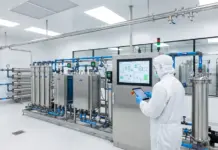
To further enhance flexibility and scalability, many pharmaceutical companies are adopting modular manufacturing solutions. These “PODs” are self-contained cleanroom units that can be rapidly deployed to any location in the world. Scalable mRNA manufacturing enabled by LNP platforms is ideally suited for this modular approach, as the equipment required for nanoparticle formation and purification is relatively compact. By housing the entire production line within a modular unit, manufacturers can establish local production hubs that are capable of responding to regional healthcare needs.
This modularity also simplifies the process of technology transfer. Instead of having to rebuild a complex facility from scratch, a company can simply ship a pre-validated POD to a new site and begin production within a matter of months. This is a game-changer for global health, as it allows for the decentralized manufacturing of vaccines and therapies, reducing the reliance on a few centralized facilities. Scalable mRNA manufacturing enabled by LNP platforms, when combined with modular infrastructure, provides a blueprint for a more resilient and equitable global healthcare system, where life-saving medicines can be produced exactly where they are needed most.
Optimizing GMP Bioprocessing for Global Distribution
Good Manufacturing Practice (GMP) bioprocessing is the cornerstone of safe and effective medicine. For mRNA therapies, this involves not only the production of the genetic material itself but also the careful assembly and purification of the lipid nanoparticles. Scalable mRNA manufacturing enabled by LNP platforms streamlines the GMP validation process by providing a proven framework for production. Since the core formulation remains consistent, the validation of equipment and cleaning protocols can be standardized across different manufacturing sites. This modularity is particularly beneficial for companies looking to establish local manufacturing hubs in different regions of the world, thereby increasing global access to advanced therapies.
The downstream processing of LNPs including solvent removal, concentration, and sterile filtration is also a focus of optimization within these platforms. Traditional methods like centrifugal filtration are replaced with Tangential Flow Filtration (TFF) systems that are capable of handling large volumes with minimal product loss. These systems are integrated directly into the continuous flow workflow, creating a seamless transition from nanoparticle formation to final drug product. By reducing the number of manual interventions, scalable mRNA manufacturing enabled by LNP platforms minimizes the risk of human error and contamination, ensuring that the final product is both safe for patients and compliant with global regulatory standards.
Economic Modeling of Platform-Based Manufacturing
The shift toward scalable mRNA manufacturing enabled by LNP platforms is also driven by economic considerations. Developing a new drug is an incredibly expensive endeavor, and a large portion of that cost is tied to manufacturing and process development. By using a standardized platform, companies can amortize these costs over multiple products, significantly reducing the “per-drug” development expense. Economic models have shown that the use of a common LNP platform can reduce the time-to-market for a new vaccine by several years, providing a massive advantage in the competitive pharmaceutical landscape.
Furthermore, the increased efficiency of continuous manufacturing leads to a lower cost of goods sold (COGS). By maximizing yield and minimizing waste, scalable mRNA manufacturing enabled by LNP platforms makes these advanced therapies more affordable for healthcare systems around the world. This is particularly important for therapies targeting common chronic diseases, where the volume of drug required is much higher than for a single-dose vaccine. As the technology continues to mature, the economic benefits of platform-based manufacturing will only increase, driving further investment in the RNA space and accelerating the delivery of new treatments to patients.
Enhancing Commercial Production Efficiency and Future Outlook
As the mRNA field continues to expand beyond infectious diseases, the demand for even more efficient and cost-effective manufacturing will increase. The next generation of scalable mRNA manufacturing enabled by LNP platforms will likely incorporate even more advanced automation and data analytics. Machine learning algorithms can be used to analyze vast amounts of production data, identifying subtle patterns that can lead to further improvements in yield and stability. Additionally, the development of thermostable LNP formulations will reduce the reliance on the cold chain, further improving the efficiency of global distribution and making these therapies more practical for use in resource-limited settings.
The future of pharmaceutical manufacturing is undeniably linked to the continued evolution of these delivery platforms. By focusing on scalability and standardization, the industry is creating a more resilient and responsive healthcare infrastructure. Scalable mRNA manufacturing enabled by LNP platforms is not just a technical achievement; it is a fundamental shift in how we think about the delivery of medicine. It represents a commitment to ensuring that the most advanced medical breakthroughs can be delivered to the people who need them most, regardless of where they live or the scale of the challenge. As we move forward, these platforms will remain the backbone of the RNA revolution, driving innovation and improving public health on a global scale.
