











The journey of a new drug from an initial molecular concept to a shelf-stable therapeutic is paved with millions of precise measurements. In this long and arduous process, one variable remains constant in its importance the quality of the water used in every phase. From early-stage synthesis to final quality control, water quality drug development is a critical factor that determines whether a candidate therapy will succeed or fail. As the industry moves toward increasingly sensitive biological drugs and personalized therapies, the requirements for water purity have become more stringent than ever before, shaping the very way we innovate on a global scale.
The Impact on Precision and Data Integrity
In the early stages of drug discovery, researchers work with microscopic quantities of active ingredients. In such environments, even the slightest impurity in the solvent can lead to massive discrepancies in data. High water quality drug development is essential for maintaining the integrity of these initial findings. If the water contains trace amounts of heavy metals or organic pollutants, it can interfere with the binding affinity of a drug to its target receptor, leading to false negatives or positives. This early-stage data forms the foundation of the entire development pipeline if it is flawed, the subsequent years of investment are built on a shaky foundation.
Furthermore, the role of water in combinatorial chemistry and high-throughput screening cannot be overstated. When testing thousands of compounds simultaneously, the background noise must be kept to an absolute minimum. Inconsistent water quality can lead to hits that are actually artifacts of the solvent, wasting precious time as scientists chase phantoms. By ensuring a constant, ultra-pure water supply, drug developers can trust that their screenings are identifying genuine biological activity, thereby increasing the efficiency of the lead optimization process.
Reproducibility in a Globalized Research Network
One of the greatest challenges in modern pharmaceuticals is the reproducibility crisis, where studies conducted in one lab cannot be replicated in another. Often, the hidden culprit is a lack of standardized water quality drug development protocols. When a research team in one country uses a different purification technology or has a different threshold for impurities than a team in another, the outcomes can vary wildly. Establishing a global standard for water purity allows for the seamless transfer of knowledge and technology, ensuring that a breakthrough in a small biotech startup can be accurately scaled and validated by a global pharmaceutical giant.
This globalized approach is particularly critical during the transition from Phase II to Phase III clinical trials. During this stage, manufacturing is often moved to larger facilities, sometimes in different countries. If the water quality drug development standards are not harmonized, the drug’s stability or impurity profile might change, potentially delaying the trial or requiring expensive bridging studies. By maintaining a locked-down water specification from the beginning, companies can ensure that the drug used in the final clinical trials is identical to the one developed in the initial discovery phase.
Safeguarding Biologics and Cell-Based Therapies
The rise of biologics drugs derived from living organisms has completely changed the landscape of water quality drug development. Unlike traditional small-molecule drugs, biologics are highly sensitive to their environment. Proteins can denature, and cell cultures can die if the water used in their growth media contains even trace levels of endotoxins or nucleases. For these therapies, water is not just a solvent but a life-sustaining environment. Ensuring the highest level of purity is not just about analytical accuracy it is about protecting the fragile biological entities that are the heart of the therapy itself.
In the case of CAR-T cell therapies, where a patient’s own immune cells are re-engineered, the water used in the processing steps must be of the highest biological grade. Any contamination could lead to a catastrophic failure of the therapy or a dangerous immune response in the patient. Consequently, water quality drug development for advanced therapies often includes multi-redundant purification steps, such as tandem ultrafiltration and UV sterilization, to ensure that the risk of biological contamination is near zero. This level of care is what makes these revolutionary treatments possible.
Regulatory Evolution and Global Compliance
As drug development becomes more complex, regulatory bodies like the FDA and the European Medicines Agency (EMA) are placing more scrutiny on the manufacturing and testing environments. Water quality drug development is now a central part of Good Manufacturing Practice (GMP) and Good Laboratory Practice (GLP) audits. Facilities must demonstrate not only that their water is pure today, but that they have the systems in place to ensure it remains pure every single day of the year. This requires advanced monitoring systems that can detect deviations in real-time, providing a transparent audit trail that satisfies global regulators and ensures patient safety.
Modern regulations are also moving toward a Risk-Based Approach to water quality. This means that developers must identify exactly which water impurities could impact their specific drug product and implement controls accordingly. For example, if a drug is sensitive to oxidation, the water quality drug development strategy must include steps to monitor and control dissolved oxygen. This shift from a one-size-fits-all standard to a tailored, science-based approach requires a deep understanding of the interaction between water and the drug molecule, further elevating the importance of water quality experts in the development team.
Efficiency and Speed to Market
In the competitive world of drug development, every day saved in the pipeline is worth millions. Poor water quality is a frequent cause of delays, leading to failed batches and the need for extensive re-testing. By prioritizing high water quality drug development from the start, companies can streamline their processes. Consistent, high-purity water reduces the noise in analytical data, making it easier to interpret results and move to the next phase of development. This efficiency is critical for meeting the urgent needs of patients, especially in areas like oncology or rare diseases where time is of the essence.
Moreover, a reliable water system reduces the downtime associated with equipment maintenance. If a water system is poorly designed or maintained, it can become a breeding ground for biofilms slimy communities of bacteria that are incredibly difficult to eradicate. Biofilm breakthrough can halt an entire development facility for weeks. Investing in high-quality, self-sanitizing water systems as part of the water quality drug development strategy is a form of operational insurance, protecting the project’s timeline and budget from the devastating impact of environmental contamination.
Sustainability and Modern Water Systems
The future of water quality drug development is also tied to environmental responsibility. Traditional water purification can be incredibly wasteful, often requiring multiple gallons of source water to produce a single gallon of ultra-pure water. The next generation of lab water systems focuses on reducing this footprint through advanced filtration and recycling technologies. For example, some systems now use intelligent RO that adjusts its recovery rate based on the incoming water quality, drastically reducing the amount of water sent to the drain.
By integrating these sustainable systems into the drug development process, pharmaceutical companies can reduce their environmental impact while actually improving the consistency of their water supply. In many regions, water scarcity is becoming a real threat to industrial operations. A sustainable water quality drug development plan that includes water-efficient purification and perhaps even wastewater reclamation for non-critical uses is not just good for the planet it is essential for the long-term business continuity of the pharmaceutical industry.
Digitalization and the Smart Lab
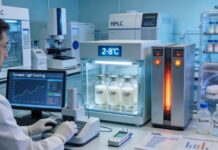
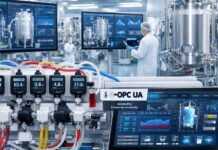
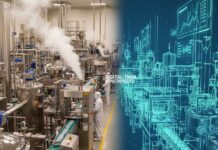
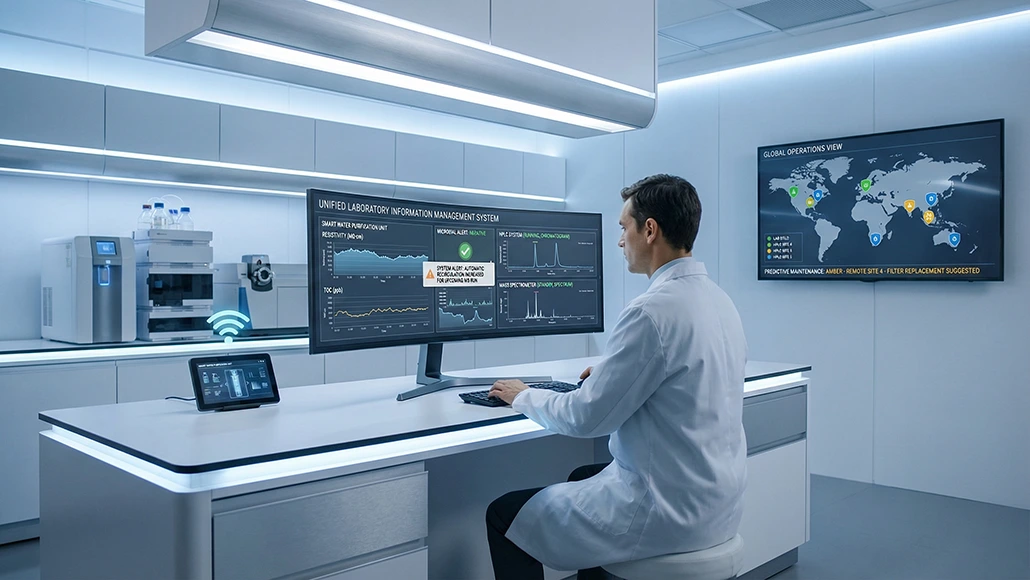
The concept of the Smart Lab is rapidly becoming a reality, and water systems are at the forefront of this digital revolution. In the future of water quality drug development, water systems will be fully integrated into the lab’s digital ecosystem. Sensors will not only monitor resistivity and TOC but will also communicate directly with analytical instruments. If the water quality drops below a certain threshold, the HPLC will automatically pause its run to prevent the collection of invalid data. This level of automated quality control is a game-changer for data integrity and operational efficiency.
Furthermore, cloud-based monitoring allows global heads of quality to see the performance of every water system in their network in real-time. This single pane of glass view enables the identification of trends across different sites, allowing for the proactive sharing of best practices and the early detection of systemic issues. In this way, digitalization is the glue that holds together a global water quality drug development strategy, ensuring that excellence is maintained across every lab, in every country, at every hour of the day.
Conclusion: The Foundation of Future Breakthroughs
As we look toward the next century of medical advancement, the role of water will only grow in significance. Whether we are developing mRNA vaccines, CRISPR-based gene edits, or advanced small-molecule inhibitors, the purity of our water will remain the invisible pillar supporting our success. By investing in superior water quality drug development today, we are ensuring that the therapies of tomorrow are built on a foundation of absolute precision and unwavering reliability.
This commitment to quality is what will ultimately allow us to solve the most pressing health challenges of our time. From the first drop of water used to synthesize a new molecule to the final rinse of a vial before it is filled, water quality is the silent partner in every pharmaceutical success story. As we continue to push the boundaries of what is possible in medicine, let us never forget that our most powerful tool is often the simplest one provided it is of the highest possible quality.
