

















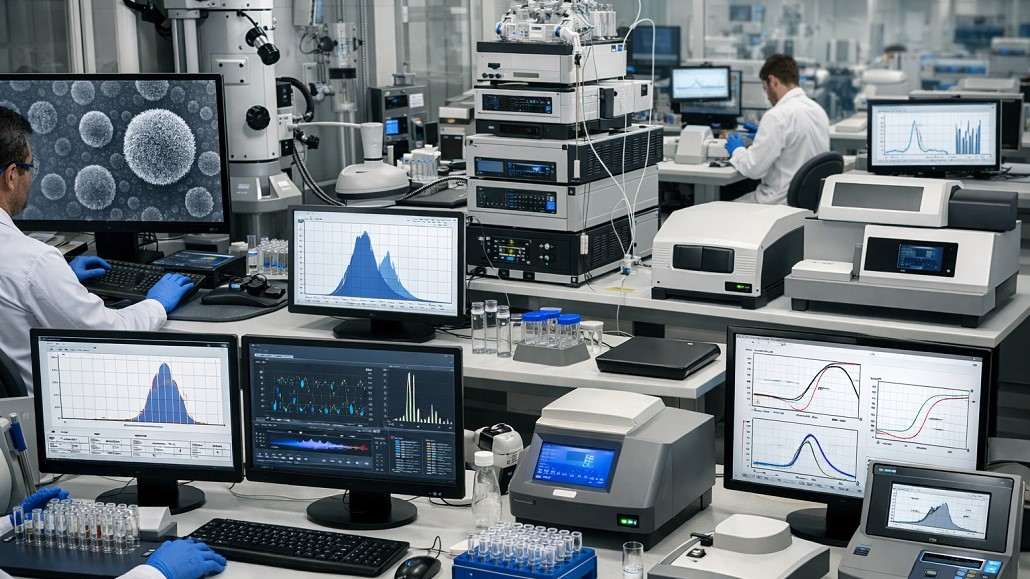
The successful development of lipid nanoparticles for RNA delivery is a feat of precision engineering, but this precision can only be verified through the application of rigorous analytical techniques. As these delivery systems become more complex, the methods used to evaluate them must also evolve to provide a deeper understanding of their physical and chemical properties. Today, advanced LNP characterization analytics are the primary tools used to ensure that every batch of nanoparticles meets the necessary specifications for safety, potency, and stability. From the measurement of particle size to the detailed mapping of the lipid bilayer, these analytics provide the “eyes” that allow scientists to see what is happening at the molecular level, transforming the way we develop and manufacture genetic medicines.
Historically, characterization was limited to basic measurements of average size and surface charge. However, modern LNP characterization analytics have expanded to include a suite of high-resolution techniques that offer a more comprehensive view of the nanoparticle population. This is critical because LNPs are inherently heterogeneous; a single batch can contain particles of various sizes and internal structures. By using advanced analytics, developers can identify and quantify this heterogeneity, ensuring that the final product is as consistent as possible. This level of detail is not just a scientific curiosity; it is a regulatory requirement. Health authorities around the world demand evidence that the manufacturer has full control over the physical properties of their drug product, making robust characterization an essential part of the drug approval process.
Strengthening Particle Profiling with High-Resolution Imaging
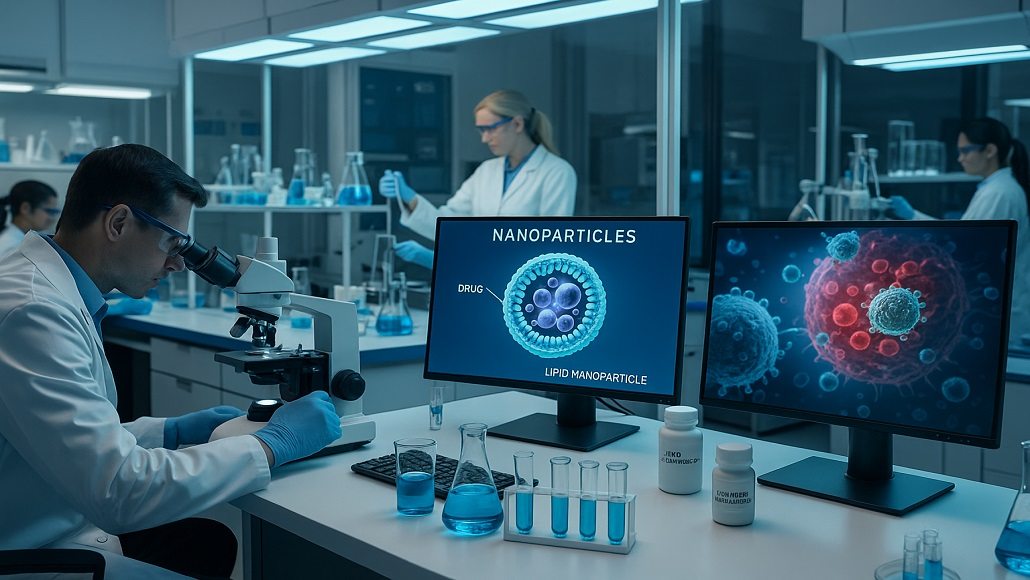
One of the most transformative developments in the field is the use of Cryogenic Transmission Electron Microscopy (cryo-EM) for direct visualization of lipid nanoparticles. Unlike traditional EM, which requires samples to be dried and stained, cryo-EM allows particles to be imaged in their native, hydrated state. This provides a true representation of the particle morphology, revealing whether the LNPs are solid-core, multi-lamellar, or vesicular. In the context of LNP characterization analytics, cryo-EM is used to correlate the internal structure of the particle with its biological activity. For example, researchers can determine how the arrangement of lipids in the core affects the protection of the mRNA cargo. This structural insight is invaluable for optimizing formulations and troubleshooting manufacturing issues.
Complementing imaging techniques are scattering-based methods like Dynamic Light Scattering (DLS) and Nanoparticle Tracking Analysis (NTA). While DLS provides a rapid assessment of the average hydrodynamic diameter and polydispersity index of a sample, NTA offers the ability to count and size individual particles within a population. This provides a more detailed look at the particle size distribution, allowing for the detection of small amounts of large aggregates that could pose a safety risk. By integrating these various data streams, LNP characterization analytics create a multi-dimensional profile of the drug product. This comprehensive approach ensures that the particles are of the correct size to avoid rapid clearance by the liver while remaining large enough to provide adequate protection for the RNA payload.
Advanced Light Scattering and Mass Photometry
To achieve even greater precision, researchers are increasingly turning to Multi-Angle Light Scattering (MALS) in conjunction with Size Exclusion Chromatography (SEC). This combination, known as SEC-MALS, allows for the absolute determination of molecular weight and size distribution without the need for reference standards. In the realm of LNP characterization analytics, SEC-MALS is particularly useful for detecting low-level aggregates and fragments that might be missed by less sensitive methods. By providing a clear picture of the particle’s molar mass and radius of gyration, this technique offers deep insights into the structural integrity of the nanoparticle-RNA complex.
Another emerging technology is mass photometry, which measures the mass of individual molecules and particles by light scattering at a glass-water interface. This technique is highly sensitive and can provide accurate mass measurements for LNPs in their native state. For LNP characterization analytics, mass photometry offers a rapid and simple way to assess the heterogeneity of a sample and to confirm the successful encapsulation of the mRNA. By comparing the mass of empty LNPs to those loaded with RNA, researchers can calculate the exact number of RNA molecules per particle, a critical metric for understanding the potency of the therapeutic. These advanced tools are redefining the limits of what can be measured at the nanoscale.
Precision in RNA Encapsulation and Surface Analysis
Beyond physical size, the chemical composition of the nanoparticle is equally important. The efficiency with which mRNA is encapsulated within the LNP is a key determinant of its potency. Advanced LNP characterization analytics utilize specialized assays, such as RiboGreen fluorescence, to distinguish between encapsulated and unencapsulated RNA. Furthermore, sophisticated chromatography techniques like Reversed-Phase High-Performance Liquid Chromatography (RP-HPLC) are used to analyze the individual lipid components within the formulation. This ensures that the lipids have not degraded during the manufacturing process and that the molar ratios are exactly as intended. Any deviation in the lipid composition can significantly alter the delivery efficiency and toxicity profile of the drug.
Surface characterization is another critical area where analytics have made significant strides. The surface of the LNP is the first point of contact with the host’s biological environment, and its charge measured as zeta potential dictates how the particle interacts with proteins and cell membranes. Advanced LNP characterization analytics also explore the density and distribution of PEGylated lipids on the particle surface. This is often done using nuclear magnetic resonance (NMR) or specialized mass spectrometry techniques. Understanding the surface landscape is essential for predicting the “corona” of proteins that will form around the particle once it enters the bloodstream, which in turn influences its biodistribution and cellular uptake.
Regulatory Data Integrity and the Path to Approval
As the pharmaceutical industry moves toward digital manufacturing, the importance of data integrity in LNP characterization analytics cannot be overstated. Regulatory agencies like the FDA and EMA require that all analytical data be captured, stored, and reported in a way that is traceable and transparent. This means that the software used to analyze nanoparticle data must be compliant with standards like 21 CFR Part 11. By maintaining a clear and unalterable record of all characterization results, companies can demonstrate the reliability of their manufacturing processes. This transparency builds trust with regulators and accelerates the review process for new RNA drug applications.
The integration of advanced analytics into the characterization workflow is also facilitating the transition to “real-time release testing.” Instead of waiting days or weeks for laboratory results, manufacturers can use in-line sensors to monitor critical quality attributes during the production process itself. If a batch begins to drift out of specification, the system can automatically adjust parameters to correct the issue, or divert the sub-standard material. This proactive approach to quality is the ultimate goal of LNP characterization analytics, promising to reduce waste and lower the cost of production.
Stability-Indicating Assays and Long-Term Storage
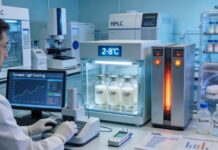
A major challenge in the development of mRNA therapeutics is ensuring long-term stability. RNA is inherently fragile and can be degraded by even trace amounts of enzymes or through chemical processes like hydrolysis. LNP characterization analytics play a vital role in developing stability-indicating assays that can detect the earliest signs of degradation. These assays monitor changes in particle size, RNA integrity, and lipid composition over time and under various storage conditions. By using accelerated stability studies, researchers can predict the shelf-life of a drug product and determine the optimal storage temperature, whether it be at room temperature, in a refrigerator, or at ultra-low temperatures.
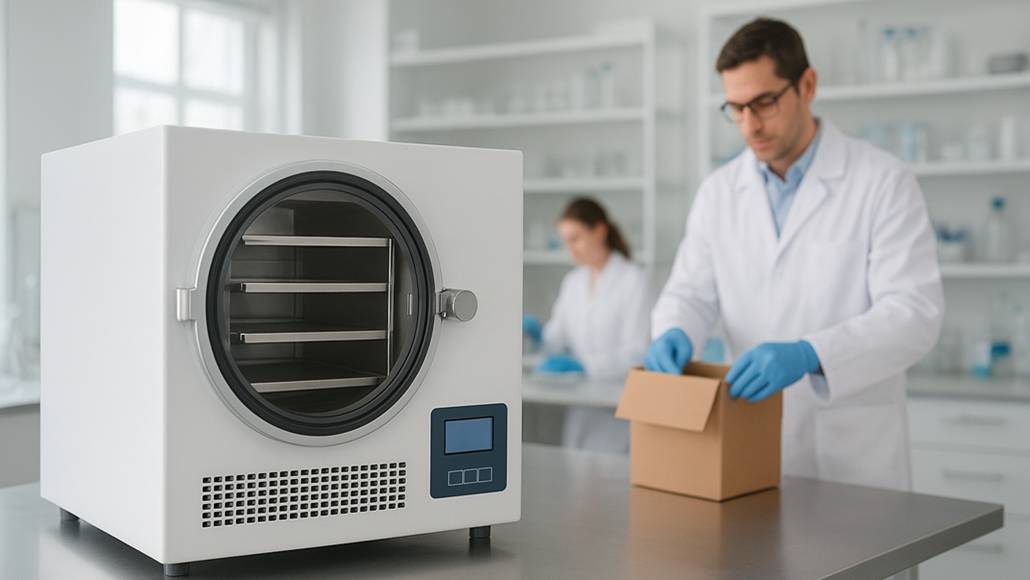
Furthermore, the impact of freeze-thaw cycles on LNP integrity must be carefully evaluated. Advanced analytics can identify if ice crystals formed during freezing lead to the rupture of the nanoparticles or the release of the RNA cargo. Techniques like differential scanning calorimetry (DSC) are used to study the thermal properties of the LNP formulation, helping to identify the transition temperatures where the lipids may undergo phase changes. This information is critical for designing robust lyophilization (freeze-drying) processes that can create a stable, dry product that can be easily shipped and reconstituted. By mastering the stability of these complex systems, LNP characterization analytics are making genetic medicines more practical for global use.
The Future of Analytical Innovation in Nanomedicine
As we look toward the future, the role of LNP characterization analytics will only continue to grow. We are entering an era of “intelligent analytics,” where artificial intelligence and machine learning are used to analyze complex datasets from multiple instruments simultaneously. This will allow for the identification of subtle patterns that would be impossible for a human observer to detect, leading to a much deeper understanding of the relationship between nanoparticle structure and biological function. Additionally, the development of portable analytical devices will allow for quality testing to be performed at the point of manufacture, even in remote or resource-limited settings.
In conclusion, the transformation of LNP characterization through advanced analytics is a cornerstone of the RNA revolution. By providing the precision and data integrity required for regulatory approval and clinical success, these analytical tools are ensuring that the most advanced therapies are both safe and effective. From high-resolution imaging to sophisticated light scattering and stability testing, the suite of tools available to researchers is more powerful than ever before. As the industry continues to innovate, the insights gained from LNP characterization analytics will drive the next generation of medical breakthroughs, bringing the promise of genetic medicine to patients around the world with unprecedented speed and reliability.
