




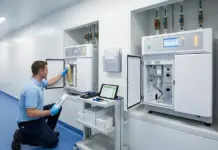

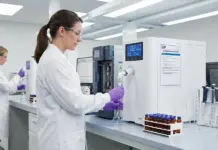
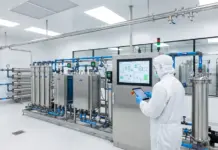


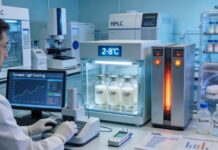





The global pharmaceutical landscape is currently witnessing a dramatic surge in the development of biologics, which include monoclonal antibodies, vaccines, and advanced cell and gene therapies. These complex medications require a much more sophisticated and sensitive manufacturing environment than traditional small-molecule drugs. To meet this growing demand and the need for greater agility, the industry is turning toward bioprocess innovation and modular facilities. This approach represents a departure from the massive, rigid production plants of the past, offering a flexible and scalable alternative that can be rapidly deployed to meet changing clinical and market needs. In 2026, modularity is the cornerstone of a more responsive and patient-centric biologics supply chain.
The Paradigm Shift to Modular Pharma Facilities
Traditional pharmaceutical manufacturing facilities are typically “stick-built” structures that are designed and constructed as a single, permanent unit. These facilities often take several years and hundreds of millions of dollars to build and validate. In contrast, modular pharma facilities are constructed using pre-fabricated, standardized units that are manufactured off-site in a controlled environment. These modules are then transported to the final location and assembled like building blocks. This approach significantly reduces construction timelines, sometimes by as much as 50%, and allows for a much more predictable and cost-effective construction process. More importantly, modularity provides the facility with a “plug-and-play” capability, allowing it to be easily expanded or repurposed as the product pipeline evolves.
The Role of Single-Use Technology in Bioprocessing
A key enabler of bioprocess innovation and modular facilities is the widespread adoption of single-use technology (SUT). Traditional biologics manufacturing relies on large stainless-steel bioreactors and complex piping systems that require extensive cleaning and sterilization between batches. This process is time-consuming, water-intensive, and carries a risk of cross-contamination. Single-use systems, which utilize disposable plastic bioreactor bags, filters, and tubing, eliminate the need for these cleaning cycles. This not only improves operational efficiency and reduces changeover times but also facilitates the design of smaller, more flexible cleanrooms. In a modular environment, SUT allows for a more decentralized and agile manufacturing footprint, as the equipment can be easily swapped out to accommodate different production processes.
Enhancing Flexibility through Modular Cleanroom Designs
The heart of a modular facility is the cleanroom, an environment where temperature, humidity, and airborne particles are strictly controlled. Bioprocess innovation and modular facilities have led to the development of highly adaptable cleanroom pods that can be customized for specific manufacturing needs. These pods are self-contained units equipped with their own HVAC and filtration systems, allowing them to be operated independently of the surrounding building. This level of flexibility is essential for companies that need to produce multiple products in the same facility or those that need to rapidly scale up production in response to a public health emergency. By using modular cleanrooms, manufacturers can build “facilities within a facility,” maximizing the utilization of their physical assets.
Streamlining Biotech Scale-Up and Technology Transfer
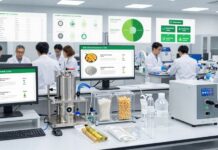
One of the most significant challenges in the pharmaceutical industry is the transition from laboratory research to commercial-scale production. Modular facilities provide a unique solution to this problem through a “scale-out” strategy. Instead of building a larger bioreactor, which can introduce complex changes in cell behavior and product quality, a manufacturer can simply add more identical modular production lines. This ensures that the process parameters remain consistent, reducing the technical risks and time associated with biotech scale-up. Furthermore, the standardized nature of modular units simplifies the process of technology transfer, allowing a production process to be easily replicated in different geographic locations, which is critical for global market access.
Achieving Rigorous GMP Biologics Standards
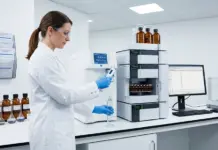
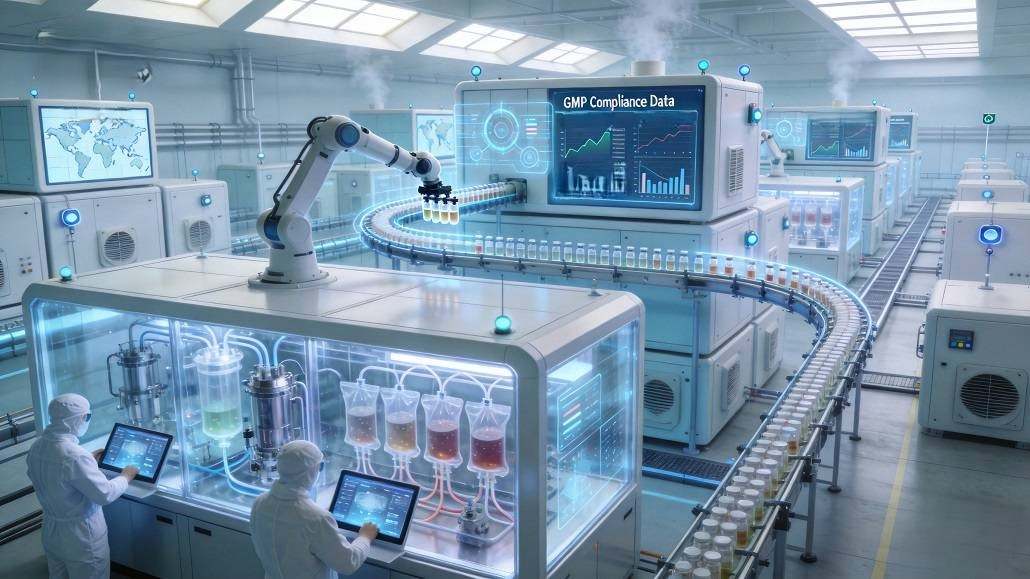
Maintaining the highest standards of quality and safety is a non-negotiable requirement for the manufacturing of biologics. Achieving GMP biologics compliance in a modular facility requires a rigorous approach to validation and quality control. However, the modular approach actually offers several advantages in this regard. Because the modules are manufactured in a specialized factory environment, they can be pre-validated and pre-tested before they ever arrive on-site. This significantly reduces the time and complexity of the final facility commissioning process. Furthermore, the integration of digital tracking and monitoring systems into the modular design ensures that every aspect of the production process is documented and traceable, meeting the stringent requirements of global regulatory bodies.
The Impact of Automation on Modular Bioprocessing
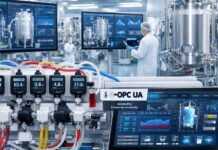
Automation is a critical component of bioprocess innovation and modular facilities. In a modern biologics manufacturing environment, automated systems manage the complex interactions between different pieces of equipment, monitoring critical process parameters in real-time. In a modular facility, these automation systems are often integrated into the individual pods, creating a decentralized and resilient control architecture. This not only improves the precision and reliability of the manufacturing process but also allows for remote monitoring and troubleshooting. By 2026, the use of AI-driven control loops in modular facilities will allow for even more sophisticated levels of autonomous adjustment, further reducing the risk of human error and improving product yields.
Economic and Strategic Advantages of Modularity
The shift toward bioprocess innovation and modular facilities is driven by both economic and strategic considerations. The reduced capital expenditure and faster time-to-market provided by modular projects offer a significant competitive advantage in an industry where being first to market is critical. Furthermore, the flexibility of modular facilities allows companies to manage their production capacity more effectively, reducing the risk of over-investment in permanent infrastructure. This is particularly valuable for small and mid-sized biotechnology companies that may not have the resources to build a large-scale traditional facility. By using modularity, these companies can bring their therapies to patients faster and more efficiently than ever before.
Environmental Sustainability in Modular Operations
Modular facilities also offer significant environmental benefits, aligning with the industry’s growing focus on sustainability. The controlled factory environment in which the modules are built results in less material waste and lower energy consumption compared to traditional on-site construction. Furthermore, the use of single-use technology in modular facilities significantly reduces the water and energy consumption associated with facility cleaning and sterilization. By designing facilities that are more efficient and adaptable, the pharmaceutical industry is demonstrating its commitment to reducing its environmental footprint while continuing to deliver life-saving medications. Modularity is a key component of a more sustainable and resilient future for drug production.
The Future of Decentralized and Personalized Manufacturing
As we look toward the future, the combination of bioprocess innovation and modular facilities is paving the way for a more decentralized and personalized model of pharmaceutical manufacturing. Modular units can be deployed in regional hubs or even in clinical settings, allowing for the production of therapies closer to the point of care. This is particularly relevant for advanced cell and gene therapies, which often require complex and time-sensitive logistics. By bringing manufacturing to the patient, the industry can reduce lead times, lower costs, and improve access to the most advanced treatments. The move toward modularity is not just about building better facilities; it is about reimagining the entire healthcare delivery system.
Conclusion and Final Perspectives
In conclusion, bioprocess innovation and modular facilities are transforming the landscape of biologics manufacturing in 2026. By embracing flexibility, scalability, and digitalization, the industry is creating a production environment that is as resilient as it is efficient. The integration of single-use technology, modular cleanrooms, and advanced automation is allowing manufacturers to bring complex therapies to market with unprecedented speed and precision. While the transition to modularity requires a shift in mindset and a commitment to standardization, the benefits for patients, manufacturers, and the environment are profound. As the industry continues to evolve, modularity will be the cornerstone of a more agile and patient-centric global healthcare system.
