
















The pharmaceutical sector is currently undergoing a radical reconfiguration of its energy landscape as it seeks to align its operations with global climate goals. For an industry that is traditionally energy-intensive, the transition toward hydrogen and clean energy in pharma represents a significant challenge and a massive opportunity. Historically, drug production facilities have relied heavily on fossil fuels to power the complex HVAC systems and high-pressure steam generators required for sterilization and chemical synthesis. However, as the focus on Environmental, Social, and Governance (ESG) criteria intensifies, leading pharmaceutical companies are increasingly looking to green hydrogen and renewable energy sources to decarbonize their footprints and build a more sustainable future for global healthcare.
The Strategic Imperative for Decarbonization
The drive toward hydrogen and clean energy in pharma is not merely a philanthropic gesture; it is a strategic response to a changing regulatory and commercial environment. Governments around the world are implementing carbon taxes and stricter emission standards, making the continued use of fossil fuels increasingly expensive. At the same time, investors and consumers are demanding greater transparency regarding the environmental impact of the products they purchase. For pharmaceutical manufacturers, decarbonization is becoming a prerequisite for maintaining their social license to operate and for securing their place in the future economy. By investing in clean energy today, companies are not only reducing their environmental impact but also insulating themselves against future energy price volatility and regulatory shifts.
Green Hydrogen: A Game Changer for Sustainable Utilities
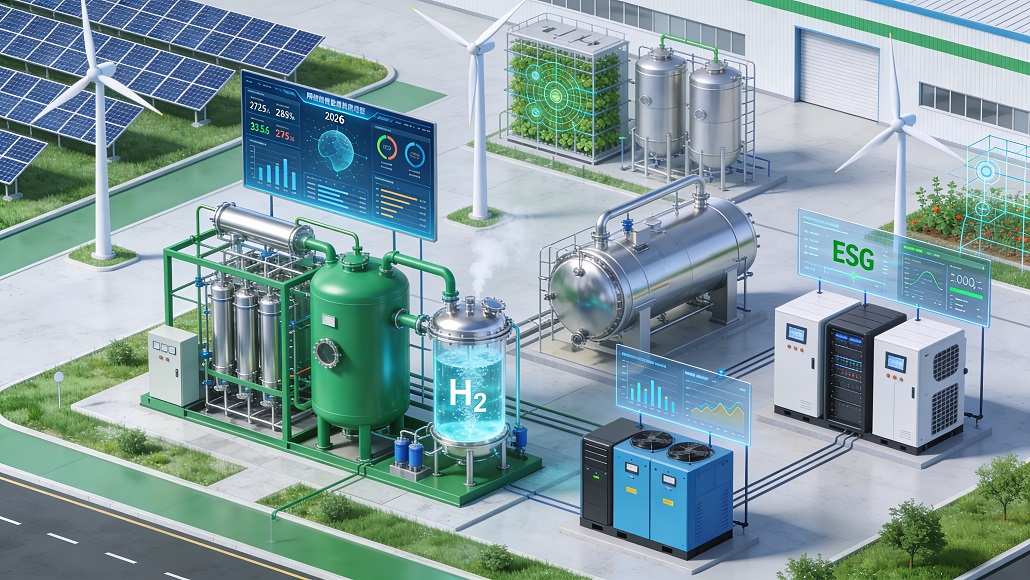
Within the broader transition toward clean energy, green hydrogen is emerging as a particularly compelling solution for the pharmaceutical industry. Unlike traditional “gray” hydrogen, which is produced from natural gas, green hydrogen is created through the electrolysis of water using renewable electricity. This process results in zero carbon emissions. In a pharma context, hydrogen and clean energy in pharma can be used as a clean-burning fuel for high-temperature processes that are difficult to electrify. For example, hydrogen-fired boilers can generate the high-purity steam needed for autoclaves and clean-in-place (CIP) operations without releasing greenhouse gases. This provides a direct path for decarbonizing the thermal energy needs of the facility, which often account for a significant portion of a plant’s total emissions.
Integrating Clean Energy Manufacturing into Facilities
The successful implementation of hydrogen and clean energy in pharma requires a holistic approach to facility design and utility management. Many pharmaceutical companies are now installing on-site renewable energy systems, such as solar arrays and wind turbines, to power their manufacturing processes. These clean energy manufacturing initiatives are often paired with advanced battery storage systems to ensure a constant and reliable power supply, which is critical for maintaining the integrity of sensitive biological materials. Furthermore, the integration of smart grid technologies allows facilities to optimize their energy consumption in real-time, selling excess power back to the grid during periods of low demand and drawing on stored energy during peaks.
Advancing the Energy Transition in Pharma Operations
The energy transition in pharma is also driving innovation in the chemical processes themselves. Researchers are exploring how green hydrogen can be used as a sustainable reagent in drug synthesis, replacing traditional hydrogen sources derived from fossil fuels. This approach, known as green chemistry, seeks to minimize the environmental footprint of the entire product lifecycle, from the sourcing of raw materials to the disposal of waste. By combining clean energy with more efficient chemical processes, the industry can significantly reduce the volume of hazardous byproducts and emissions generated during production. This dual focus on energy source and process efficiency is essential for creating a truly sustainable pharmaceutical manufacturing ecosystem.
Sustainable Utilities and Green Steam Generation
The generation of steam is a fundamental requirement for pharmaceutical manufacturing, but it is also one of the largest sources of energy consumption. The transition toward hydrogen and clean energy in pharma is leading to the development of new technologies for green steam generation. This includes the use of industrial-scale heat pumps and electric boilers powered by renewable energy. In some cases, facilities are utilizing biomass or waste-to-energy systems to generate the heat needed for their operations. These sustainable utility strategies not only reduce carbon emissions but also minimize the facility’s reliance on external fuel supplies, enhancing its operational resilience in an increasingly uncertain global energy market.
The Role of Policy and Collaboration
The transition toward hydrogen and clean energy in pharma is a complex undertaking that cannot be achieved by any single company in isolation. It requires a collaborative effort involving energy providers, equipment manufacturers, and regulatory bodies. Governments play a critical role in this transition by providing the policy frameworks and financial incentives needed to drive investment in clean energy infrastructure. This includes subsidies for green hydrogen production and tax credits for the installation of renewable energy systems. Furthermore, industry-wide collaborations are essential for sharing best practices and for developing standardized protocols for the integration of clean energy into pharmaceutical operations. By working together, the industry can accelerate the pace of decarbonization and ensure a more sustainable future for all.
Overcoming Technical and Economic Barriers
Despite the clear benefits, the widespread adoption of hydrogen and clean energy in pharma is not without its hurdles. One of the primary challenges is the high cost of green hydrogen compared to traditional fuels. While the cost of electrolysis is falling, it still requires a significant upfront investment in specialized equipment and infrastructure. Furthermore, the storage and transport of hydrogen present technical challenges that must be addressed to ensure safety and reliability. Many pharmaceutical companies are overcoming these barriers by taking a phased approach to the energy transition, starting with smaller pilot projects and gradually scaling up their investments as the technology matures and costs continue to decline.
The Long-Term Vision for a Low-Emission Pharma Industry
As we look toward the future, the integration of hydrogen and clean energy in pharma will be a defining characteristic of a low-emission pharmaceutical industry. By 2030, we can expect to see many manufacturing facilities operating entirely on renewable energy, with green hydrogen playing a central role in their utility frameworks. This transition will not only help the industry meet its ESG goals but will also drive a new wave of innovation in drug production and facility design. The ultimate goal is a pharmaceutical sector that is as healthy for the planet as it is for the people it serves. The path forward is challenging, but the commitment to clean energy is an investment in a resilient and sustainable future for global healthcare.
Conclusion and Final Reflections
In conclusion, the transformation of the pharmaceutical industry through the adoption of hydrogen and clean energy is an essential development for the 21st century. By embracing green hydrogen and renewable power, companies are demonstrating their commitment to decarbonization and sustainable utilities. The shift toward clean energy manufacturing is not only reducing the industry’s environmental impact but is also driving operational efficiency and resilience. While the transition requires significant investment and collaboration, the benefits for the planet and the long-term viability of the industry are profound. As we continue to innovate, the focus must remain on leveraging clean energy to build a pharmaceutical manufacturing landscape that is capable of delivering life-saving medications in a way that respects the boundaries of our planet.
