






















The pharmaceutical industry operates within one of the most rigorous regulatory environments in the world, where the standards for Good Manufacturing Practice (GMP) are constantly evolving to keep pace with technological and scientific advancements. In this landscape, the concept of future-ready GMP and regulatory compliance has emerged as a critical strategic priority. It is no longer enough for companies to simply “pass” a regulatory inspection; they must build a sustainable and proactive quality culture that prioritizes data integrity, risk management, and global harmonization. A future-ready approach ensures that an organization is not just reacting to current requirements but is actively anticipating the regulatory shifts of tomorrow, thereby safeguarding patient safety and maintaining its competitive edge.
Defining the Core of Future-Ready GMP
At its heart, future-ready GMP and regulatory compliance is about moving from a reactive, paper-based quality system to a proactive, digitalized framework. This involves the integration of advanced technologies across the entire manufacturing and quality lifecycle to ensure that every action and every measurement is documented with absolute accuracy and transparency. This digital core is essential for managing the complexity of modern therapies, such as cell and gene treatments, which require a much higher level of process control and traceability than traditional small-molecule drugs. By building a digital foundation, companies can achieve a level of operational consistency that is fundamental to maintaining compliance in an increasingly scrutinizing global market.
Data Integrity as the Foundation of Compliance
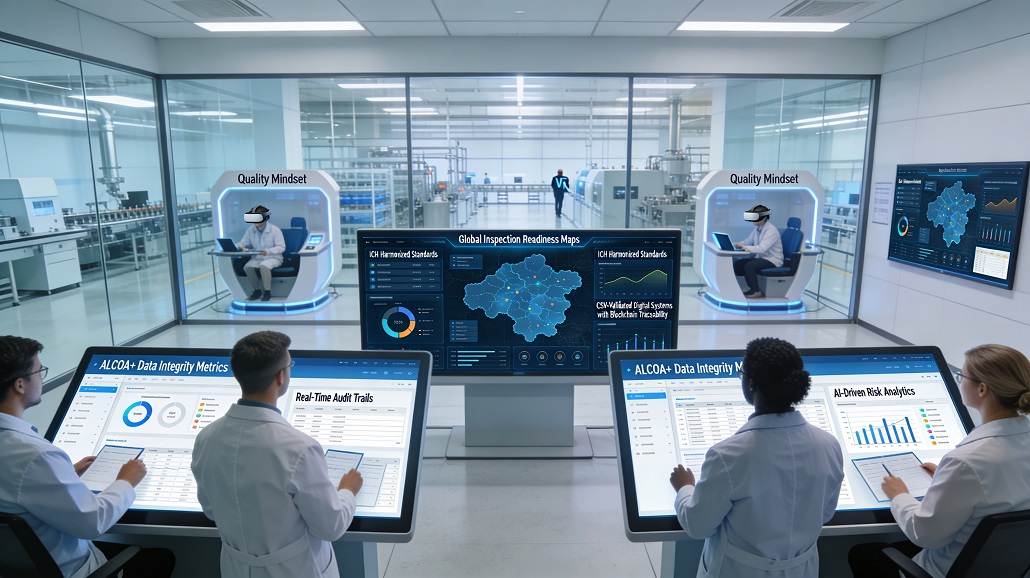
The most significant focus of future-ready GMP and regulatory compliance is the assurance of data integrity. Regulatory bodies like the FDA and EMA have made it clear that data must be attributable, legible, contemporaneous, original, and accurate the ALCOA+ principles. In a future-ready facility, this is achieved through the use of electronic batch records (EBRs) and automated audit trails that capture data at the moment of generation. This eliminates the risk of human error and unauthorized data manipulation, providing a “single source of truth” for quality teams and regulators alike. A robust data integrity strategy is the bedrock upon which all other quality assurance activities are built, ensuring that the evidence of a product’s safety and efficacy is unalterable and trustworthy.
Cultivating a Global Inspection Readiness Culture
One of the primary goals of future-ready GMP and regulatory compliance is to maintain a constant state of inspection readiness. In a traditional model, companies often scramble to prepare for an upcoming audit, leading to stress and a focus on short-term fixes. A future-ready organization, however, treats every day as an “inspection day.” This is achieved by embedding quality into the daily workflows of all employees, from the factory floor to the boardroom. Regular internal audits, real-time quality monitoring, and a transparent reporting culture ensure that any potential non-compliance issues are identified and corrected immediately. This proactive stance not only makes formal inspections much more efficient but also builds a relationship of trust with regulatory agencies.
Strategic Alignment with Global Pharma Standards
As pharmaceutical companies operate on an increasingly global scale, future-ready GMP and regulatory compliance requires a deep understanding of the diverse standards across different regions. This involves aligning internal quality systems with the guidelines of the International Council for Harmonisation (ICH). By adopting a harmonized approach to quality, companies can streamline their manufacturing operations and avoid the duplication of effort that comes with trying to meet multiple, sometimes conflicting, regulatory requirements. This global alignment is essential for accelerating the approval of new therapies and for ensuring a consistent supply of medication across international borders. A future-ready compliance strategy is inherently international in scope.
The Role of Quality Assurance Systems in Driving Excellence
Advanced quality assurance systems are the engine that drives future-ready GMP and regulatory compliance. These systems move beyond simple “box-ticking” exercises and utilize data analytics to drive continuous improvement. By analyzing historical quality data, organizations can identify trends and predict where deviations are likely to occur, allowing them to implement preventative actions before a failure happens. This risk-based approach to quality management is a hallmark of the most advanced pharmaceutical companies. Furthermore, these systems facilitate a more integrated approach to quality, where R&D, manufacturing, and quality teams work together to ensure that quality is built into the product from the very first stage of development.
Implementing Computerized System Validation (CSV)
In a digitalized manufacturing environment, the validation of software and computer systems is a critical component of future-ready GMP and regulatory compliance. Computerized System Validation (CSV) ensures that the software used to manage production and quality data performs as intended and is secure from unauthorized access. A future-ready approach to CSV involves the use of risk-based validation protocols that focus on the most critical functions of the system. This allows for a more efficient validation process without compromising the integrity of the data. As technologies like AI and blockchain become more prevalent in pharma, the importance of robust and adaptable CSV strategies will only continue to grow.
Overcoming the Challenges of Evolving GMP Regulations
Keeping pace with the rapid changes in GMP regulations is a significant challenge for even the largest pharmaceutical companies. Future-ready GMP and regulatory compliance requires a dedicated regulatory intelligence function that monitors the global landscape for new guidelines and legislative shifts. This allows the organization to adjust its internal policies and training programs in a timely manner. Furthermore, the high cost of upgrading facilities and digital systems can be a barrier to adoption. Successful companies overcome this by viewing compliance as an investment in long-term resilience and brand reputation, rather than just a cost of doing business. A future-ready organization is one that is willing to invest in the technologies and talent needed to stay ahead of the regulatory curve.
The Human Element: Building a Quality Mindset
While technology is a key enabler, the ultimate success of future-ready GMP and regulatory compliance depends on the people who work within the organization. Building a “quality mindset” requires a significant investment in training and a cultural shift where everyone takes ownership of compliance. In a future-ready organization, quality is not the responsibility of a single department; it is a core value that is shared by every employee. This cultural alignment is essential for ensuring that data is recorded accurately, that SOPs are followed consistently, and that quality issues are reported without fear of retribution. By empowering employees with the knowledge and tools they need to succeed, companies can build a culture of excellence that is the ultimate safeguard of patient safety.
Future Outlook: Toward a Harmonized Regulatory Ecosystem
Looking ahead, the trend of future-ready GMP and regulatory compliance is moving toward a more harmonized and transparent global regulatory ecosystem. As regulatory agencies increase their level of collaboration and data sharing, the standards for quality will become more consistent across borders. This will benefit both manufacturers and patients, as it will lead to faster approvals and a more reliable global drug supply chain. The move toward “Quality 4.0” where quality is managed through real-time data and AI is an irreversible trend that will continue to redefine the possibilities of the pharmaceutical industry. The organizations that embrace these changes today will be the ones that lead the way into the future of healthcare.
Conclusion and Strategic Summary
In conclusion, future-ready GMP and regulatory compliance is a fundamental requirement for the modern pharmaceutical industry. By focusing on data integrity, inspection readiness, and global harmonization, organizations can build a quality culture that is as resilient as it is transparent. The integration of digital tools and risk-based strategies is setting a new standard for operational excellence and patient safety. While the journey toward a future-ready state requires significant investment and a fundamental shift in mindset, the benefits are profound. As the global regulatory landscape continues to evolve, the commitment to proactive compliance will remain the ultimate differentiator for the most successful and respected pharmaceutical companies in the world.
