




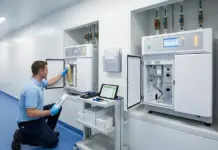

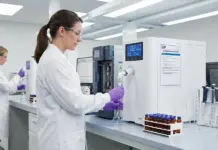
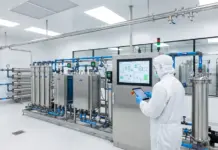


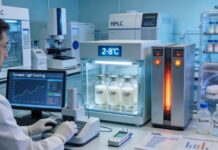

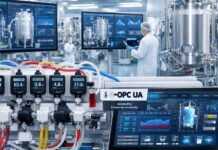
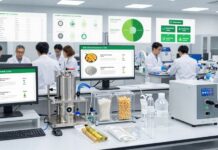
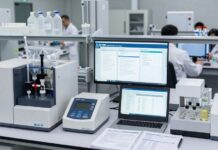
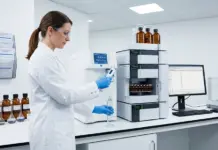





The pharmaceutical industry has historically operated on a batch-centric model, a method where each step of the manufacturing process is isolated and completed before moving to the next. While this has been the standard for over a century, the emergence of continuous manufacturing in drug production is ushering in a more efficient and agile era. This paradigm shift is driven by the need to reduce lead times, minimize waste, and ensure that product quality is consistent from start to finish. In a continuous system, raw materials are constantly fed into the production line while the finished product is simultaneously withdrawn, creating a seamless flow that eliminates the non-value-added time associated with traditional batch changes.
The Operational Mechanics of Continuous Pharma Processing
At the heart of this transformation is the integration of advanced engineering and digital control systems. Continuous pharma processing requires a sophisticated understanding of material science and fluid dynamics to ensure that ingredients are mixed, granulated, and pressed or filled with absolute precision. Unlike batch systems, where deviations might only be discovered after thousands of units have been produced, continuous systems allow for the immediate detection and isolation of any material that falls outside of the required specifications. This capability not only reduces the risk of massive product recalls but also significantly lowers the cost of quality, as manufacturers can be certain that every unit leaving the facility meets the highest standards.
Implementing Process Optimization and Design Efficiency
One of the most compelling advantages of continuous manufacturing in drug production is the ability to optimize the entire process for maximum efficiency. Because the production line is designed as an integrated unit, engineers can fine-tune every parameter to minimize energy consumption and material waste. The footprint of a continuous manufacturing facility is often significantly smaller than a traditional batch plant, sometimes reducing the required space by up to 70%. This reduction in size allows companies to build production hubs in a wider variety of locations, closer to key markets, thereby reducing the environmental impact and cost of global shipping and logistics.
The Role of Quality by Design (QbD) in Continuous Systems
The success of continuous manufacturing in drug production is deeply rooted in the principles of Quality by Design (QbD). In this framework, quality is not something that is tested for at the end of the line; it is an inherent part of the process design. By identifying the critical material attributes and critical process parameters early in development, manufacturers can create a “design space” that guarantees the quality of the final drug. This proactive approach is essential for continuous systems, as the speed of production requires real-time decision-making based on a deep understanding of how various inputs interact with each other throughout the manufacturing cycle.
Advancements in Process Analytical Technology (PAT)
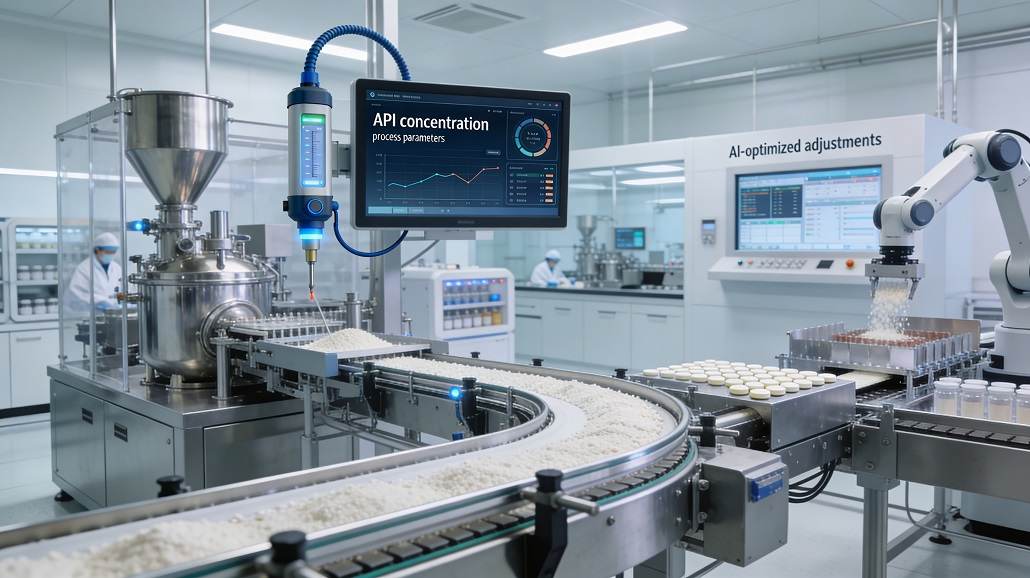
The real-time monitoring that makes continuous manufacturing possible is facilitated by Process Analytical Technology (PAT). These tools, which include various forms of spectroscopy and imaging, provide a constant stream of data from within the production line. For example, NIR (near-infrared) sensors can monitor the concentration of an active pharmaceutical ingredient (API) in a blend as it moves toward the tableting machine. If the sensor detects a slight deviation, the control system can automatically adjust the feeder speed to bring the process back into balance without stopping the line. By 2026, the integration of PAT with AI-driven control loops will allow for even more sophisticated levels of autonomous adjustment, further reducing the reliance on human intervention.
Achieving Seamless GMP Compliance and Data Integrity
Regulatory agencies, such as the FDA, have been vocal supporters of continuous manufacturing in drug production, recognizing that the increased level of control leads to safer medications. However, achieving GMP compliance in this new environment requires a different approach to documentation and validation. In a continuous line, the traditional concept of a “batch” is replaced by a definition based on time or material quantity. Digital systems must be capable of maintaining an unalterable record of all process data, ensuring that every unit of medication can be traced back to the specific conditions under which it was produced. This focus on data integrity is fundamental to building a transparent and trustworthy drug supply chain.
Enhancing Safety and Precision through Pharma Automation
Automation is the silent engine behind the rise of continuous manufacturing. In modern facilities, robotic systems handle the loading of raw materials and the packaging of finished products, reducing the risk of contamination and human error. Beyond physical tasks, pharma automation includes the software layers that manage the complex interactions between different pieces of equipment. In 2026, these systems are increasingly utilize machine learning to analyze historical production data, identifying subtle trends that can lead to process improvements. This “self-learning” capability ensures that the production line becomes more efficient and more reliable over time, providing a significant competitive advantage to those who embrace it.
Economic and Strategic Benefits for Manufacturers
The move toward continuous manufacturing in drug production is not just a technical choice; it is a strategic business decision. While the initial capital investment in specialized equipment can be high, the long-term operational savings are substantial. Lower facility costs, reduced waste, and the elimination of intermediate storage all contribute to a more healthy bottom line. Furthermore, the agility of continuous systems allows manufacturers to respond much faster to changes in market demand. If a sudden surge in need occurs, a company can simply run the existing continuous line for longer, rather than having to commission and validate new batch equipment.
Addressing the Challenges of Industry Adoption
Despite the clear benefits, the transition to continuous manufacturing has been gradual. One of the primary hurdles is the significant amount of technical expertise required to design and operate these systems. Organizations must cultivate a workforce that is proficient in automation, data science, and advanced engineering. Additionally, there is the challenge of integrating continuous lines into existing global supply chains that are still built around the batch model. Overcoming these obstacles requires a long-term commitment from leadership and a willingness to collaborate with equipment vendors, academic institutions, and regulatory bodies to share best practices and develop industry standards.
The Future of Drug Production Technology and Personalization
Looking forward, continuous manufacturing in drug production is poised to play a central role in the development of personalized medicine. The ability to produce small, highly customized batches of medication on demand is perfectly suited to therapies that are tailored to the genetic profile of an individual patient. In the future, we may see “micro-factories” located in clinical settings that use continuous processing to create bedside treatments. This would revolutionize the patient experience, providing access to cutting-edge therapies with a speed and precision that was previously unimaginable. The convergence of continuous manufacturing, AI, and biotechnology is setting the stage for the next great leap in human health.
Conclusion and Strategic Summary
In conclusion, continuous manufacturing in drug production is a transformative force that is redefining the standards of the pharmaceutical industry. By replacing fragmented batch processes with a seamless, integrated flow, manufacturers are achieving unprecedented levels of efficiency and quality control. The integration of PAT, QbD, and advanced automation is creating a production environment that is as resilient as it is precise. While the journey toward full adoption is complex, the benefits for patients and the industry are undeniable. As we move through 2026 and beyond, continuous processing will be the cornerstone of a modern, data-driven drug production landscape that is capable of meeting the global health challenges of the future.
