















Next Generation Lipids Redefine LNP Formulation Strategies
The quest for more potent and less toxic delivery vehicles has led to a renaissance in lipid chemistry. By moving beyond the standard components of the first mRNA vaccines, researchers are developing a new class of synthetic lipids that offer superior tissue targeting and enhanced cellular uptake. These innovations in molecular design are overcoming long-standing hurdles in biodistribution and immunogenicity, effectively setting the stage for a new wave of highly specific genetic therapies that can address a broader range of diseases with unprecedented precision and safety.
Quality by Design Drives Robust LNP Manufacturing
Building a reliable production framework for complex nanomedicines requires a proactive approach that prioritizes quality from the very first stage of development. By systematically identifying the critical parameters that influence product performance, manufacturers can create a robust process that minimizes variability and ensures consistent clinical outcomes. This commitment to engineering excellence not only streamlines the path to regulatory approval but also provides the necessary foundation for scaling up production to meet the global demand for transformative RNA therapies.
Targeted Delivery Advances Transform LNP Platforms
The evolution of genetic medicine is increasingly defined by the ability to direct therapeutic cargo to specific tissues with pinpoint accuracy. By refining the surface chemistry and molecular targeting of delivery vehicles, researchers are moving beyond systemic administration toward precision-engineered solutions that minimize side effects and maximize efficacy. This shift in biodistribution control represents a fundamental breakthrough in pharmacology, enabling the treatment of complex diseases at their source and unlocking the full potential of personalized medicine for patients worldwide.
Navigating Regulatory Pathways for LNP Drug Products
Bringing a novel genetic therapy to market requires a sophisticated understanding of the evolving global regulatory landscape. As health authorities refine their expectations for lipid-based delivery systems, manufacturers must proactively address complex requirements for quality, safety, and manufacturing consistency. By aligning development strategies with established guidelines for chemistry and controls, companies can streamline the approval process and ensure that innovative RNA medicines meet the highest standards of clinical evidence, ultimately accelerating the delivery of life-saving treatments to patients in need.
LNP Stability Studies Strengthens RNA Therapeutics
Ensuring the long-term viability of genetic medicines requires a profound understanding of the complex interactions that govern nanoparticle integrity. By subjecting lipid-based delivery systems to rigorous environmental stress, researchers can identify the specific pathways of degradation and implement sophisticated stabilization strategies. This commitment to durability not only extends the shelf life of vital treatments but also simplifies the logistical challenges of global distribution, ensuring that life-saving RNA therapies remain potent and effective from the manufacturing floor to the patient's bedside.
LNP Formulation Strategies Advancing mRNA Drug Delivery
The rapid evolution of genetic medicine hinges on the sophisticated architecture of delivery systems capable of protecting fragile cargo while ensuring precise cellular uptake. Sophisticated lipid nanoparticle configurations serve as the cornerstone of this movement, providing the necessary stability and efficiency to translate laboratory breakthroughs into viable clinical therapies. By refining the delicate balance of ionizable lipids, PEGylated components, and structural lipids, researchers are overcoming historical barriers in RNA stability and encapsulation, effectively paving the way for the next generation of global healthcare solutions.
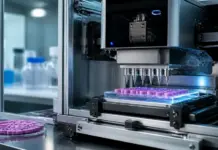
Microfluidics Technologies in Lipid Nanoparticle Production
The precision of modern drug delivery relies on the ability to control molecular interactions at the smallest scales. By harnessing the unique properties of fluid dynamics in confined environments, engineers have unlocked a new level of consistency and scalability in the assembly of lipid-based carriers. This shift toward micro-scale processing eliminates the variability often associated with traditional manufacturing methods, ensuring that every dose of medicine is identical in its composition and performance, thereby accelerating the delivery of complex genetic therapies to patients worldwide.
Subscribe Our Newsletter
White Papers
The Future of Digital Health
The pharmaceutical industry is acutely aware that the future of health and care, particularly in the United States, are trending toward a digital revolution....
Five Best Practices to Deliver Exceptional Multichannel Experiences
A one-size-fits-all customer journey no longer works. In the age of the consumer, the quality of the interaction is paramount. In this paper, we...
The Impact and Use of Social Media in Pharmacovigilance
Social media presents new channels and methods for biopharmaceutical companies to move away from traditional pharmacovigilance (PV) systems and safety reporting methods towards more...


