
















The pharmaceutical industry is currently navigating a period of profound structural change, where the traditional methods of research, development, and manufacturing are being replaced by an interconnected digital ecosystem. This movement, often referred to as driving digital transformation in pharma operations, is centered on the belief that data is the most valuable asset in the modern healthcare value chain. In an environment characterized by increasing regulatory scrutiny and the rapid rise of personalized therapies, the ability to collect, analyze, and act upon data in real-time is no longer an optional advantage; it is a fundamental prerequisite for survival and growth. This digital journey involves the integration of advanced technologies across every facet of the organization to create a more agile and transparent operation.
The Pillars of Pharma Digitalization
At the core of this transformation is the concept of the “connected enterprise,” where information flows seamlessly between different departments and geographic locations. Pharma digitalization begins with the modernization of legacy IT systems, replacing fragmented databases with unified platforms that provide a “single source of truth.” This allows researchers to share findings with manufacturing engineers in real-time, accelerating the transition from the laboratory to the production floor. By breaking down these traditional organizational silos, companies can achieve a level of operational harmony that was previously impossible. This connectivity is the bedrock upon which more advanced technologies, such as artificial intelligence and autonomous robotics, are built.
The Role of Manufacturing Execution Systems (MES)
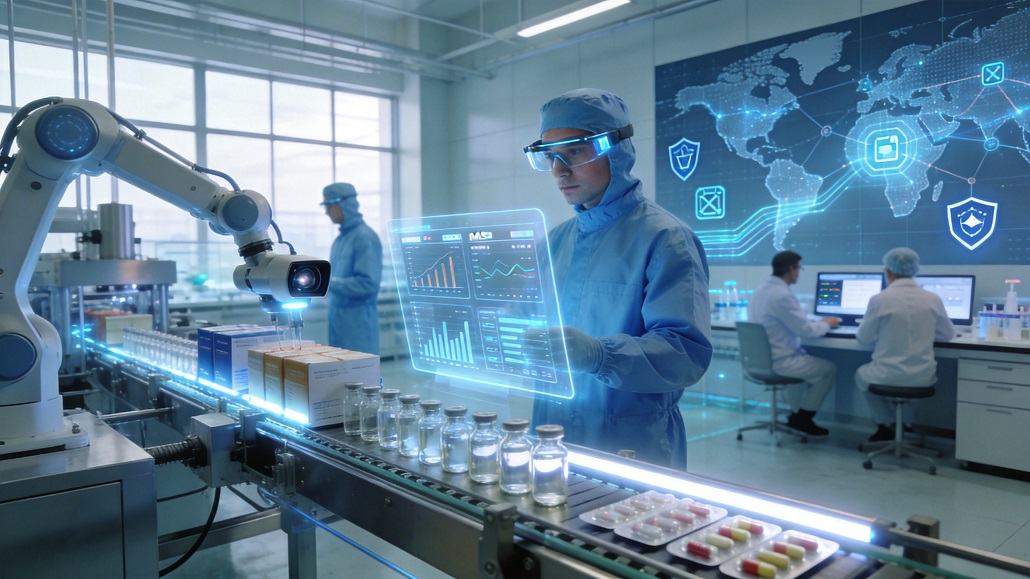
A critical component of smart manufacturing within the pharma sector is the implementation of advanced Manufacturing Execution Systems (MES). These software solutions act as the orchestrator of the factory floor, managing the complex interactions between personnel, equipment, and materials. By digitizing batch records and automating workflow management, MES systems significantly reduce the risk of human error, which is the leading cause of deviations in pharmaceutical manufacturing. Furthermore, an integrated MES provides management with real-time visibility into the status of every production line, allowing for more accurate forecasting and more efficient resource allocation. In 2026, the MES is the central hub through which all digital transformation in pharma operations is executed.
AI in Pharma: From Insight to Action
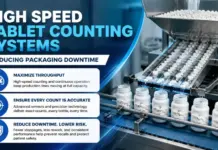
Artificial intelligence is the analytical engine that turns raw data into a strategic advantage. In 2026, AI in pharma is being utilized to solve some of the industry’s most complex challenges, from identifying new drug targets to optimizing the yields of biological fermentation processes. On the operational side, machine learning algorithms are used for predictive analytics, identifying potential equipment failures before they result in costly downtime. In quality control, AI-powered vision systems are used to inspect tablets and vials with a speed and accuracy that far exceeds human capabilities. These systems not only improve the reliability of the manufacturing process but also free up highly skilled workers to focus on more creative and complex tasks.
Ensuring Data Integrity Compliance in a Digital World
As operations become more data-centric, the focus on data integrity compliance has never been more intense. Regulatory agencies like the FDA have set clear expectations that all manufacturing data must be attributable, legible, contemporaneous, original, and accurate (ALCOA+). Driving digital transformation in pharma operations requires the implementation of robust digital controls, such as automated audit trails and encrypted electronic signatures, to ensure that data remains unalterable throughout its lifecycle. This commitment to data integrity is not just about passing a regulatory inspection; it is about ensuring that every decision made during the manufacturing process is based on reliable information, thereby protecting the safety of the end patient.
Smart Manufacturing and Industry 4.0 Pharma
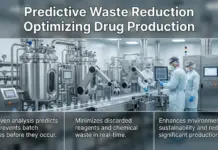
The integration of the Internet of Things (IoT) and big data analytics is the hallmark of Industry 4.0 pharma. In a smart manufacturing environment, sensors located throughout the facility collect billions of data points every day, monitoring everything from the vibration of a centrifuge to the humidity levels in a packaging area. This “industrial intelligence” allows for a much more granular level of process control, enabling manufacturers to adjust their operations in real-time to account for small fluctuations in environmental conditions or raw material quality. The result is a more resilient manufacturing process that can consistently produce high-quality medication with minimal waste.
Connectivity across the Global Pharma Supply Chain
Digital transformation does not stop at the walls of the manufacturing facility; it extends through the entire global supply chain. Connected pharma manufacturing workflows utilize technologies like blockchain to provide end-to-end traceability of every ingredient and finished product. This level of transparency is essential for ensuring the authenticity of medications and for managing the complex cold-chain logistics required for many modern biologics. By sharing data with suppliers and distribution partners in real-time, pharmaceutical companies can build a more responsive supply chain that is capable of anticipating and mitigating disruptions, whether they are caused by natural disasters, geopolitical instability, or sudden changes in market demand.
Overcoming Cultural and Technical Barriers
While the benefits of driving digital transformation in pharma operations are clear, the path to implementation is often fraught with challenges. One of the primary hurdles is the cultural resistance within large, established organizations. Moving to a digital-first mindset requires a fundamental change in how employees at all levels approach their work. Furthermore, the technical challenge of integrating modern digital platforms with legacy manufacturing equipment can be significant. Successful organizations are those that take a strategic, phased approach to transformation, investing in both the technology and the people needed to drive change. This involves comprehensive upskilling programs to ensure that the workforce is proficient in data science and digital tools.
The Strategic Importance of Cybersecurity
In an increasingly connected world, cybersecurity is a top priority for pharmaceutical executives. The digital transformation of operations creates new vulnerabilities that can be exploited by cybercriminals seeking to steal intellectual property or disrupt production. A robust cybersecurity strategy is a prerequisite for any digital initiative, involving the use of advanced encryption, network segmentation, and real-time threat detection. Protecting the integrity of the digital ecosystem is essential for maintaining the trust of regulators, partners, and the public. As we move through 2026, cybersecurity is seen not as a separate IT function, but as an integral part of the operational excellence of the pharmaceutical enterprise.
Future Outlook: The Autonomous Pharma Enterprise
As we look toward the end of the decade, the trend of driving digital transformation in pharma operations is leading toward the creation of the fully autonomous pharma enterprise. In this vision, AI-driven systems will manage the entire lifecycle of a drug, from initial research to final delivery, with minimal human intervention. While we are still some years away from this reality, the building blocks are being put in place today. The move toward a more digital, data-driven industry is an irreversible trend that will continue to redefine the possibilities of healthcare. The organizations that lead the way in this transformation will be the ones that shape the future of medicine for generations to come.
Conclusion and Final Reflections
Driving digital transformation in pharma operations is a complex but essential journey for any pharmaceutical company looking to thrive in 2026. By embracing the power of data, connectivity, and artificial intelligence, organizations can improve their efficiency, enhance their compliance, and ultimately deliver better outcomes for patients. The transformation requires a holistic approach that balances technical innovation with cultural change and a relentless focus on data integrity. As the industry continues to evolve, the digital enterprise will be the cornerstone of a more resilient and patient-centric global healthcare system, ensuring that life-saving medications can be produced and delivered with greater speed and reliability than ever before.
