














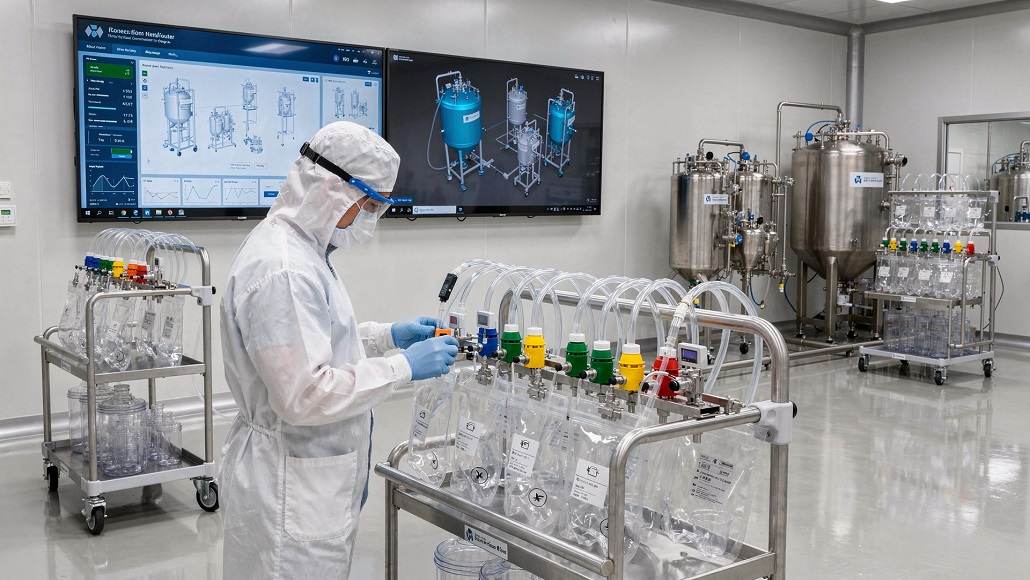
The biopharmaceutical industry is currently witnessing a rapid acceleration in the complexity of drug molecules, with cell and gene therapies, viral vectors, and multi-specific antibodies taking center stage. To keep pace with these biological advancements, the underlying manufacturing infrastructure must also evolve. Among the most critical components in this technological shift are the fluid management assemblies used to transport and store sensitive biological materials. The latest design trends driving next-generation bag manifold systems are focused on moving beyond simple “bag-and-tubing” setups toward highly engineered, intelligent, and modular platforms that offer unprecedented levels of control and reliability in the cleanroom environment.
The Push for Modularity and Customization
One of the most prominent design trends driving next-generation bag manifold systems is the move toward modularity. Historically, manifolds were often custom-designed for a specific process, leading to long lead times and a lack of flexibility if the process changed. Today, designers are creating standardized “building blocks” that can be quickly assembled to meet specific process requirements. This modular approach allows manufacturers to configure a system that perfectly fits their needs without starting from scratch. By utilizing these interchangeable components, facilities can reduce their inventory complexity while still maintaining the ability to customize their fluid pathways for unique unit operations, such as tangential flow filtration or chromatography.
Integration of Advanced Flow Control Technologies
Precision in fluid movement is essential for maintaining product quality, especially when dealing with shear-sensitive cells or concentrated protein solutions. A major design trend driving next-generation bag manifold systems is the integration of sophisticated flow control mechanisms. This includes the use of low-shear pumps, high-precision pinch valves, and integrated flow meters that can accurately monitor and adjust the movement of fluids in real-time. By minimizing turbulence and maintaining constant pressure profiles, these next-generation designs protect the delicate biological structures of the drug substance, ensuring that the final product remains potent and safe for patient use.
Automation Readiness and the Digital Thread
As the industry moves toward “Pharma 4.0,” the integration of digital technologies into physical equipment has become a top priority. A key design trend driving next-generation bag manifold systems is “automation readiness.” This means that the manifolds are designed from the ground up to be compatible with automated control systems. Modern designs incorporate pre-installed sensors and actuators that can be easily plugged into a centralized PLC (Programmable Logic Controller) or SCADA (Supervisory Control and Data Acquisition) system. This connectivity creates a “digital thread” that allows for complete traceability of the fluid handling process, from the initial media prep to the final aseptic filling, providing a comprehensive data record for quality assurance and regulatory compliance.
Material Science and the Quest for Purity
The materials used in next-generation manifolds are undergoing a significant transformation to meet the increasing demands for purity and chemical resistance. Designers are exploring new multi-layer film technologies that offer superior barrier properties against oxygen and moisture while maintaining ultra-low extractable and leachable profiles. This design trend driving next-generation bag manifold systems ensures that the plastic materials do not interact with the drug product, which is particularly important for sensitive biologics that may be stored for extended periods. Furthermore, the development of clearer, more flexible films allows for better visual inspection of the fluid path, enabling operators to quickly identify any particulates or air bubbles that could compromise the process.
Ergonomics and Ease of Use in the Cleanroom
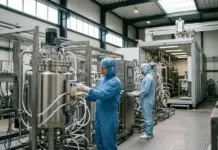
The human factor is often overlooked in equipment design, but it plays a crucial role in operational efficiency and safety. A significant design trend driving next-generation bag manifold systems is the focus on ergonomics. This includes the development of lighter-weight materials, more intuitive connection systems, and specialized manifold “racks” that simplify the organization and installation of complex assemblies. By making these systems easier to handle and install, manufacturers can reduce the physical strain on cleanroom operators and minimize the risk of accidental damage during setup. These user-centric designs not only improve productivity but also contribute to a safer and more organized working environment.
Sustainability and the Circular Economy in Single-Use
While single-use technology offers many benefits, the environmental impact of plastic waste is a growing concern for the industry. A forward-thinking design trend driving next-generation bag manifold systems is the incorporation of sustainability principles. This includes designing components for easier disassembly and recycling, as well as exploring the use of bio-based or biodegradable materials for non-product contact parts. Some designers are also working on “hybrid” systems that combine reusable hardware with disposable liners, reducing the overall volume of plastic waste generated. By addressing the environmental footprint of these systems, the industry can ensure that its growth is both economically and ecologically sustainable.
3D Design and Virtual Prototyping
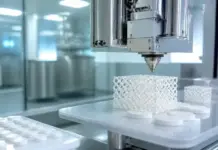
The way these systems are designed is also changing, thanks to the adoption of advanced software tools. The use of 3D CAD modeling and virtual prototyping is a major design trend driving next-generation bag manifold systems. These tools allow engineers to visualize the entire fluid path in three dimensions, optimizing the layout to minimize “dead legs” where fluid could become trapped and contaminated. Virtual prototyping also enables manufacturers to “test” the assembly in a digital cleanroom before any physical components are manufactured, ensuring that the manifold will fit perfectly within the intended workspace. This digital-first approach significantly reduces design errors and shortens the development cycle for new bioprocess assemblies.
Addressing the Needs of Cell and Gene Therapy
The rise of cell and gene therapies (CGT) is placing unique demands on fluid handling systems. These processes often involve very small volumes of extremely high-value material, requiring a high degree of precision and minimal product loss. A specialized design trend driving next-generation bag manifold systems is the creation of “micro-manifolds” designed specifically for CGT workflows. These systems feature small-bore tubing and low-volume bags that are optimized for the scale of personalized medicine. By providing a closed and sterile environment for these delicate processes, next-generation manifolds are enabling the scale-up of therapies that were once thought to be impossible to manufacture at a commercial scale.
Enhanced Traceability and Component Identification
In a highly regulated environment, knowing exactly what is in your process is paramount. An emerging design trend driving next-generation bag manifold systems is the integration of RFID (Radio Frequency Identification) tags or 2D barcodes on individual components. This allows for automated tracking of every bag, filter, and connector in the assembly, ensuring that only the correct and unexpired components are used in a production run. This level of traceability simplifies the documentation process and provides an extra layer of security against counterfeit or incorrect parts, further solidifying the integrity of the biomanufacturing supply chain.
The Future of Manifold Innovation: Self-Monitoring and AI
Looking further ahead, the next frontier of design will likely involve the integration of artificial intelligence and machine learning. We are moving toward a design trend driving next-generation bag manifold systems where the assembly can “talk” to the control system to predict potential failures. Imagine a manifold that can detect a slight change in pressure and alert the operator that a filter is about to clog, or a bag that can monitor the metabolic activity of the cells inside it. These intelligent systems will transform bioprocessing from a reactive to a proactive endeavor, maximizing yields and ensuring that every batch meets the highest standards of quality.
Conclusion
The evolution of biomanufacturing is being driven by a constant push for greater efficiency, precision, and safety. The design trends driving next-generation bag manifold systems are a testament to the industry’s commitment to innovation. By embracing modularity, automation, and advanced material science, manufacturers are building the foundations for a more responsive and capable healthcare ecosystem. As these technologies continue to mature, they will not only improve the production of current biologics but also pave the way for the next generation of life-changing therapies, ensuring that the promise of modern medicine can be realized for patients around the world.
