












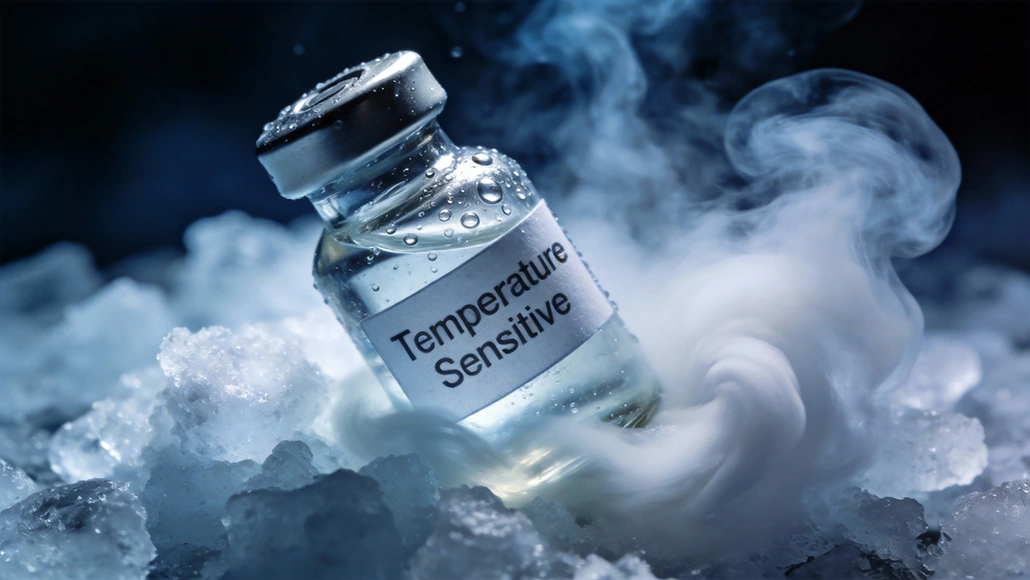
The pharmaceutical landscape is shifting toward increasingly complex therapies, many of which are derived from living organisms. These biologics, vaccines, and cell therapies are inherently unstable and highly sensitive to environmental conditions, particularly temperature. As these products become a larger share of the global drug market, the demand for sophisticated pharma cold chain innovation has reached a fever pitch. Traditional refrigeration methods are no longer sufficient to handle the rigorous requirements of a modern medical portfolio. Instead, a new era of temperature controlled logistics is emerging, characterized by advanced material science, ubiquitous connectivity, and a relentless focus on preserving the therapeutic integrity of every shipment. This evolution is vital for ensuring that the promise of modern medicine is fulfilled regardless of where a patient is located in the world.
Advanced Material Science in Thermal Packaging
At the heart of cold chain advancement lies the development of high-performance packaging solutions designed to withstand the unpredictability of global transit. For years, the industry relied heavily on bulky expanded polystyrene (EPS) containers and simple gel packs, which provided limited protection and often resulted in significant waste. Today, the focus has shifted toward vacuum-insulated panels (VIPs) and phase change materials (PCMs). These materials offer superior thermal resistance in a much smaller footprint, allowing for more efficient use of cargo space. PCMs, in particular, are a game-changer; they can be engineered to maintain specific temperature points such as 2°C to 8°C or even ultra-frozen states for extended periods without the need for an active power source.
The adoption of VIP technology provides up to ten times the insulation value of traditional materials, meaning that even a thin layer can protect a shipment from extreme ambient heat during a long international flight or a delay on a hot airport tarmac. Furthermore, these advanced materials are often designed for reuse, aligning with the industry’s growing focus on sustainability. By moving away from disposable single-use shippers, companies can reduce their environmental footprint while simultaneously improving the reliability of their biologics distribution. The challenge remains in managing the reverse logistics of these high-value containers, but the superior protection they offer makes them an essential component of the modern pharmaceutical supply chain.
The Evolution of Active Cooling Systems
While passive systems are ideal for many applications, the transport of high-volume or extremely sensitive shipments often requires active temperature controlled logistics. Modern active containers have evolved from simple “refrigerators on wheels” into intelligent, self-contained climate units. These systems utilize advanced compressor technology and rechargeable battery packs to provide consistent cooling for days on end. The latest innovations include hybrid systems that can switch between active power and passive thermal reservoirs, providing multiple layers of redundancy. This is particularly vital for vaccine logistics, where the scale of distribution during public health emergencies requires systems that can handle both the bulk movement of doses and the individual “last-mile” delivery to clinics.
These active systems are also becoming more “connected.” Many now feature built-in GPS and cellular transmitters that provide real-time updates on internal conditions and location. This allows logistics teams to monitor the health of the cooling system remotely and take action if a battery is low or if a door has been left open. Some advanced units even allow for remote temperature adjustment, giving operators the ability to fine-tune the environment from thousands of miles away. This level of control is essential for therapies that have extremely narrow “stability budgets,” where even a few degrees of deviation can render a batch unusable. The move toward active systems is essentially turning the shipping container into a mobile laboratory, maintaining the same standards of quality found in a manufacturing facility.
Smart Monitoring and Real-Time Visibility
Innovation in the cold chain is as much about information as it is about insulation. The integration of IoT-enabled sensors has revolutionized how companies manage their pharma cold chain. These devices do more than just record the temperature at the end of a journey; they provide real-time updates on humidity, light exposure, and physical shock. If a container is left on a sun-drenched tarmac or if a cooling unit fails, the system triggers an immediate alert to the logistics team. This allows for proactive intervention such as moving the shipment to a cold room or adjusting the cooling settings remotely before the product is compromised. This level of visibility is the new standard for cold chain compliance, providing a digital “birth-to-death” certificate for every medicine.
Furthermore, the data generated by these sensors is being used to build predictive models that can identify “risk zones” in the global distribution network. By analyzing thousands of previous shipments, companies can identify which routes or handling facilities are most prone to temperature excursions. This intelligence allows logistics planners to select more reliable paths or to specify extra protection for particularly challenging segments of a journey. Over time, this data-driven approach shifts the focus from simple monitoring to systemic prevention. Instead of reacting to problems, the industry is building a “smart” network that learns from every shipment, continuously improving its ability to protect the most sensitive medicines.
Navigating the Challenges of Biologics Distribution
Biologics distribution presents a unique set of challenges that go beyond simple temperature maintenance. Many of these products are not only sensitive to heat but also to freezing and excessive vibration. Furthermore, the high cost of individual doses means that any loss has a significant financial and clinical impact. To address this, logistics providers are developing specialized “white-glove” services that prioritize these sensitive assets. This includes dedicated transport lanes, specialized handling protocols at airports, and the use of blockchain technology to ensure an immutable record of custody. By combining physical protection with digital transparency, the industry is creating a “seamless” cold chain that minimizes the variables that can lead to product degradation.
The complexity is further compounded by the rise of “direct-to-patient” delivery models. As more clinical trials and chronic disease management move to the home, the cold chain must extend into the residential setting. This requires packaging that is not only effective but also easy for a patient or a caregiver to handle. Innovations in this area include smart refrigerators for the home that can alert the pharmacy if a product has been stored incorrectly. Extending the cold chain into the home is the final frontier of pharma cold chain innovation, requiring a delicate balance of high-tech protection and user-friendly design. Successfully bridging this gap is essential for the future of decentralized healthcare and the growing demand for convenient, home-based treatments.
Regulatory Standards and Cold Chain Compliance
Maintaining high standards in the cold chain is not just a best practice; it is a regulatory requirement. Health authorities worldwide, including the FDA and EMA, have intensified their focus on Good Distribution Practices (GDP). Cold chain compliance now requires rigorous validation of all packaging and equipment, as well as comprehensive training for all personnel involved in the process. Digitalization plays a key role here by automating the documentation process. Automated reports can now be generated for every shipment, proving that the required temperature range was maintained throughout its journey. This transparency not only satisfies regulators but also builds trust with healthcare providers and patients who rely on these medicines for their well-being.
As regulations continue to evolve, the industry must stay ahead of the curve by adopting more sophisticated quality management systems. This includes the use of “electronic quality management systems” (eQMS) that can integrate cold chain data directly into the broader quality record. This integration allows for a more holistic view of product quality, linking logistical performance to manufacturing standards and clinical outcomes. The goal is to move toward a state of “continuous compliance,” where every aspect of the distribution network is being monitored and audited in real-time. By embracing these standards, the pharmaceutical industry is demonstrating its unwavering commitment to the safety and efficacy of the products it delivers to the global population.
The future of pharmaceutical distribution will be defined by its ability to handle the coldest and most sensitive of products with absolute precision. As gene therapies and personalized medicines become more common, the infrastructure supporting them must continue to advance. The ongoing investment in pharma cold chain innovation is a testament to the industry’s commitment to patient safety. By harnessing the power of new materials, intelligent sensors, and global connectivity, we are building a distribution network that is capable of delivering the miracles of modern medicine to any corner of the globe, safely and effectively. The cold chain is no longer just a logistical hurdle; it is a vital extension of the manufacturing process itself, ensuring that the promise of a therapy is fully realized when it reaches the patient.
